Commercial Restaurant Exhaust Hood System Crash Course

Picture of Author: Rick Moore

Author: Rick Moore

ECSi Team Member
Date Published: 9/17/2025

Commercial Restaurant Advanced Filtration Exhaust Hood System

Introduction to Exhaust Hood Systems

Ah, the Commercial Restaurant Exhaust Hood System—a name so thrilling, it practically screams “blockbuster material,” right? But hold onto your spatulas, because these unsung heroes of the kitchen deserve a little love. Picture this: your kitchen, bustling with sizzling pans, crackling oil, and the occasional flambé that was *totally* intentional. Now imagine all that glorious chaos without an exhaust hood. Yep, your diners would be greeted with eau de grease as their appetizer. Not exactly five-star vibes.

The commercial restaurant exhaust hood system is like the silent MVPs of your operation. It whisks away smoke, steam, and all those airborne culinary misadventures, leaving your kitchen breathable and your food untainted. It’s kind of like having a magic vacuum that doesn’t judge you for burning the garlic bread—again. Without one, you’re not just risking some unpleasant smells. Oh no, you’re rolling out the red carpet for fire hazards and health inspectors. And let’s be real, no one wants to be “that restaurant” on the local news.

These systems don’t just work hard—they work smart. With the right setup, they can help regulate kitchen temperature and keep things cool while your team hustles. Plus, they’re one of those investments that pay off in spades, like a good pair of shoes or that espresso machine you “splurged” on. So, if your kitchen doesn’t already have one, what are you waiting for? It’s time to level up.

Types of Exhaust Hood Systems

Commercial Restaurant Exhaust Hood System

Let’s dive into the thrilling world of exhaust hood systems—try to contain your excitement. Basically, there are two main types: wall-mounted and island hoods. Wall-mounted hoods? They’re the dependable ones, always sticking to the walls like they’re allergic to the center of the room. Practical, efficient, and totally not looking for attention. On the other hand, island hoods are the divas of the kitchen. They hang out in the middle of the action, looking fabulous while doing their job. They’re like, “Yes, I’m here, I’m working, and yes, I look this good doing it.”

So, which one should you pick? Well, it really depends on your kitchen’s vibe. Got a layout that screams “organized chaos” with all the cooking action happening along the walls? Wall-mounted hoods are your go-to. But if you’re working with a setup that loves to put everything smack in the middle, the island hood steps in like the star it is. It’s all about finding the right match for your space—like dating, but without the awkward small talk.

And hey, size matters. Too small, and your commercial restaurant exhaust hood system won’t keep up with your kitchen’s shenanigans. Too big, and, well, no one likes a show-off. Make sure you’re measuring things right, or you’ll end up with a hood that’s about as useful as a screen door on a submarine. So, whether your kitchen’s layout is traditional or it marches to the beat of its own drum, there’s a commercial restaurant exhaust hood system out there that’s ready to join your culinary crew.

Installation Considerations

Ah, restaurant exhaust hood installation—the part where you realize this isn’t just a “plug it in and hope for the best” situation. First, let’s talk logistics. Your shiny new commercial restaurant exhaust hood system needs space, like that one friend who always claims the couch during movie night. Measure your kitchen layout carefully because cramming it into the wrong spot is a recipe for disaster. And while we’re at it, let’s not forget proper ventilation. If the system can’t breathe, neither can your staff. No one wants a kitchen where steam clouds double as mood lighting.

Now, let’s get to the fun part: budgeting. Unless you’ve got money trees growing out back (in which case, please share your secrets), you’ll want to install this marvel without breaking the bank. Start by getting multiple quotes from commercial ventilation and exhaust hood installers—because the first price you hear is usually just the opening act. Oh, and don’t skip the fine print. Surprise fees are about as welcome as an overcooked steak.

Timing matters, too. Installing during your busiest service hours? Bold choice, but maybe not the smartest. Plan for a quieter period to avoid kitchen chaos and angry customers wondering why their fries smell like sawdust. And if you’re feeling particularly adventurous, ask about used or refurbished options. Sure, it’s not as glamorous as brand new, but it can save you some serious cash—and who doesn’t love a good underdog story?

Lastly, don’t skimp on hiring installation professionals. Your cousin’s friend who “totally knows his way around a toolbox” is probably not the expert you need here. Trust the pros to get it right the first time, so you’re not calling them back with a “funny story” about how the hood fell off mid-dinner rush.

Maintenance and Compliance

commercial restaurant exhaust hood maintenance
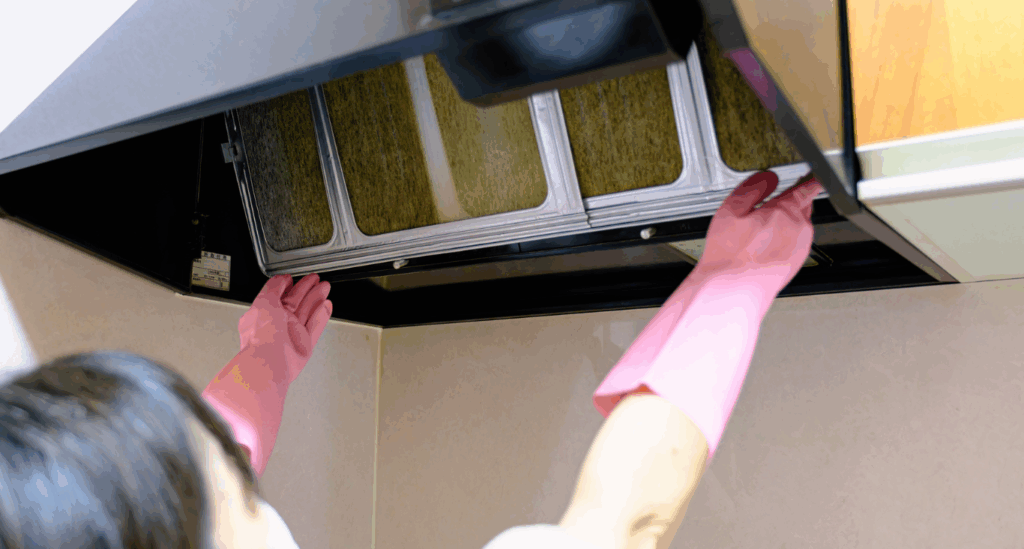
Exhaust Hood System Filter Being Changed

Cleaning your commercial restaurant exhaust hood system isn’t just some optional chore you can ignore like sorting your sock drawer—it’s non-negotiable. Left unchecked, grease buildup will turn your hood into a ticking time bomb, and nobody wants their kitchen to double as a pyrotechnics show. Regular cleaning is the key to avoiding smoky disasters and keeping your food tasting like food—not last week’s burnt special.

But wait, it’s not just about dodging grease fires. You’ve got health inspectors to think about, too. These folks love nothing more than showing up unannounced, armed with clipboards and a knack for spotting every little thing you didn’t get around to fixing. A spotless, well-maintained commercial restaurant exhaust hood system is your secret weapon to acing inspections and keeping those fines far, far away. Think of it as your way of saying, “I take this whole ‘clean kitchen’ thing seriously.”

And let’s not forget the technical side of compliance. You’ve got regulations to follow, from fire safety codes to air quality standards, and skipping them is about as smart as seasoning your soup with a fire extinguisher. Keeping up with routine maintenance isn’t just for looks—it ensures your system runs efficiently, saves energy, and stays on the right side of the law. If you’re not sure where to start, don’t sweat it—just call in a pro to give your setup a proper once-over. Trust us, it’s a lot cheaper than dealing with fines or surprise visits from the fire department.

Cost-saving Tips

save money with energy efficient hvac system
Cost Saving Tips

Saving money on an commercial restaurant exhaust hood system doesn’t mean you need to start clipping coupons or trading your soul to the bargain bin gods. First up, check out energy-efficient models—they might cost a smidge more upfront, but they’ll save you piles of cash on energy bills faster than you can say, “Where did all this steam come from?” Plus, they’re kinder to the planet, which means you get bonus points with Mother Nature.

Next, don’t turn your nose up at refurbished options. Yes, it’s pre-loved, but if it’s certified and in good condition, you’re basically getting a steal. Think of it like buying a used car—just with fewer mileage jokes and zero chance of finding stale fries in the glovebox.

If you’re feeling bold, get cozy with your supplier and see if they’ve got any deals lurking in their inventory. Sometimes you’ll score a discount just by asking, “Hey, what’s the best you can do?” Worst case, they say no. Best case, you save enough to treat yourself to some celebratory tacos.

And let’s not forget maintenance—it’s not glamorous, but keeping your commercial restaurant hood system clean and in good shape saves you from costly repairs down the road. A well-maintained system works better and lives longer, just like that one treadmill you promised you’d use more often.

Choosing the Right Supplier

Ecsi Employees and Family
Elite Contracting Solutions Inc. Family Owned & Operated Business

Picking the right supplier for your commercial restaurant exhaust hood system isn’t rocket science, but it’s not exactly ordering takeout either. You need someone who knows their stuff and won’t ghost you the second you swipe your credit card. Start by checking reviews—because if other buyers are singing their praises louder than a karaoke night gone wrong, chances are you’re onto a winner.

Ask the important questions upfront. Are their products built to last, or are you going to end up duct-taping things together after six months? Do they offer warranties, or are they one of those “all sales final” types? And what about delivery? Because if you’re waiting longer than it takes to train a new chef, that’s a hard pass.

Also, let’s talk customer service. If you have a question or, heaven forbid, an issue, you want a supplier who’s actually reachable and doesn’t respond to your emails like they’re drafting a novel. Bonus points if they throw in some installation advice or maintenance tips—they might even save you a headache or three.

Finally, don’t forget to compare prices. Sure, you don’t want the cheapest option that looks like it came from a garage sale, but you also don’t need to sell your left kidney to afford quality. Balance is key. And if they’ve got any promotions or package deals, even better—who doesn’t love scoring a deal?

In the end, it’s about finding a supplier that matches your kitchen’s needs and your budget. Do your homework, ask the right questions, and make sure they’ve got your back when things get smoky—literally.

Conclusion

You should now have a pretty good understanding how to find your new commercial restaurant exhaust hood system.  By following the steps you have learned here today, you should be able to find your exhaust hood systema as well as a good company to install and attend to repair needs

For more information on commercial restaurant hood systems and gas installation as well as residential and commercial heating and cooling repair.  Be sure to read our following related articles. 

Related Articles

Scroll to Top