Commercial HVAC Wilmington, NC: Battling Salt Air and Moisture Like a Pro
Rick Moore
ECSi Team Member
Date Published: 6/8/2026
Table of Contents
Introduction to Coastal HVAC Challenges
Oh, the joys of coastal living, sunny skies, ocean breezes, and… an HVAC system crying in the corner. If your business calls Wilmington, NC home, your HVAC unit probably deserves hazard pay. The combo of salt air and humidity is like a tag team of destruction, constantly plotting against your system’s sanity. It’s not just weather; it’s weather with attitude. And your HVAC system? Well, it’s stuck dealing with all that sass.
Salt air doesn’t just stop at giving your hair beachy waves; it’s also out here trying to eat your HVAC unit from the inside out. Meanwhile, humidity has taken on the role of that one friend who overstays their welcome, constantly lingering, making things sticky, and generally being a pain. Your system? It’s caught in a never-ending soap opera, battling corrosion, moisture, and, let’s be honest, its will to live.
And don’t think a basic system is going to cut it in this climate. This isn’t some laid back inland town where HVAC units get to chill (pun intended). Here, it’s about survival of the fittest. You need a system that’s ready to handle salt air like a champ and face humidity head on, because if it can’t, you’re looking at frequent calls to HVAC repair Wilmington, NC, companies or worse, an HVAC obituary.
If you thought coastal living was all sunsets and flip flops, think again. For your commercial heating and cooling system, it’s more like dodgeball with the elements, and let’s just say, Mother Nature throws hard.
Importance of Humidity Management
Humidity, aka the universe’s way of reminding you it’s in charge, can turn your workspace into a muggy mess faster than you can say “climate control.” It’s not just about feeling like you’re wading through a steam room; excess moisture can mess with electronics, warp materials, and create the perfect conditions for mold to throw a party. Spoiler alert: no one invited mold.
If your space starts feeling like a Florida swamp, it’s time to get serious about humidity management. Think of it like this: your commercial air conditioning system isn’t just there to keep things cool; it’s also your MVP for keeping the air balanced and breathable. Adding a dehumidifier to the mix or tweaking your existing system’s settings can work wonders in curbing moisture levels. It’s not rocket science, but it is science.
Oh, and here’s the kicker: ignoring humidity issues isn’t just inconvenient, it’s expensive. Let too much moisture hang around, and you’re looking at air conditioning repair costs, health complaints, and possibly replacing that pricey equipment you just invested in. Fun times, right?
The good news? Specialized heating and air conditioning systems can help. Look into humidity sensors or automated controls that adjust in real time, so your HVAC system doesn’t have to play guessing games. Because honestly, if there’s one thing your team doesn’t need, it’s brainstorming session #257 in a sauna.
Choosing Corrosion Resistant HVAC Systems
Salt air and HVAC systems are basically sworn enemies, with the salty air trying its best to turn your equipment into a rusty relic. If you don’t want your HVAC system auditioning for a spot in the HVAC graveyard, it’s time to fight back with corrosion resistant materials. Think of it like upgrading from cardboard armor to a steel suit, essential when you’re dealing with the relentless coastal environment.
Here’s the deal: not all materials are created equal. Some fold under pressure faster than a bad poker player, while others are built to last. For your HVAC system, you’ll want components made from heavy hitters like aluminum and stainless steel. These materials are specifically designed to hold their ground against rust and corrosion, so you’re not stuck replacing parts every time the ocean breeze says, “Hi.”
And those special coatings you keep hearing about? They’re not just a fancy buzzword. Protective coatings act like a raincoat for your HVAC system, shielding it from the salty, humid assault. Sure, these upgrades might cost a bit more upfront but think of them as your system’s life insurance policy. A little extra investment now can save you from the headache, and wallet ache, of constant cooling and heating repairs down the road.
Oh, and pro tip: when shopping for a corrosion resistant system, don’t just take the manufacturer’s word for it. Look for certifications or warranties that prove they’ve put their money where their mouth is. Because in the end, your HVAC system shouldn’t just survive the coastal climate, it should dominate it.
Integrating Smart Technology in HVAC
Let’s talk about smart tech in HVAC, because who doesn’t want their air system to have a higher IQ than most of us on a Monday morning? IoT-enabled HVAC systems are basically the overachievers of the building world, they monitor, adjust, and optimize while you’re busy doing literally anything else. Forget constant fiddling with settings; these systems take the wheel and drive like they’ve memorized the manual (because they basically have).
Picture this: sensors that know when your energy usage is spiking and adjust accordingly, or alerts that tell you something’s about to go wrong before it actually does. It’s like your commercial HVAC unit has a sixth sense, minus the creepy kid whispering about ghosts. And sure, we could get technical and throw around terms like “predictive analytics,” but let’s cut to the chase, this stuff saves you time, money, and stress.
Oh, and let’s not forget about remote access. Running late for a meeting or just too comfy in your chair? Grab your phone and control your system without breaking a sweat. It’s the 21st century, and your heating and air system is finally catching up.
And yes, it’ll cost you a bit upfront to integrate all this tech wizardry but think of it as an investment. Would you rather deal with constant breakdowns and sky-high energy bills, or let smart systems handle the grunt work while you reap the rewards? Exactly.
Maintenance Tips for Coastal Businesses
Let’s be real, HVAC maintenance in Wilmington, NC isn’t glamorous but ignoring it is like ignoring a weird noise in your car. Sure, you can pretend it’ll go away, but spoiler alert: it won’t. Coastal HVAC systems are basically drama queens, they need attention, or they’ll throw a tantrum when you least expect it. Lucky for you, keeping your system happy doesn’t require an engineering degree.
First up, filters. These little heroes work overtime to keep your air clean, but they can’t do their job if they’re clogged with dust, dirt, or whatever else the wind dragged in. Swap them out regularly, and your commercial heating and air system will thank you by not staging a complete breakdown.
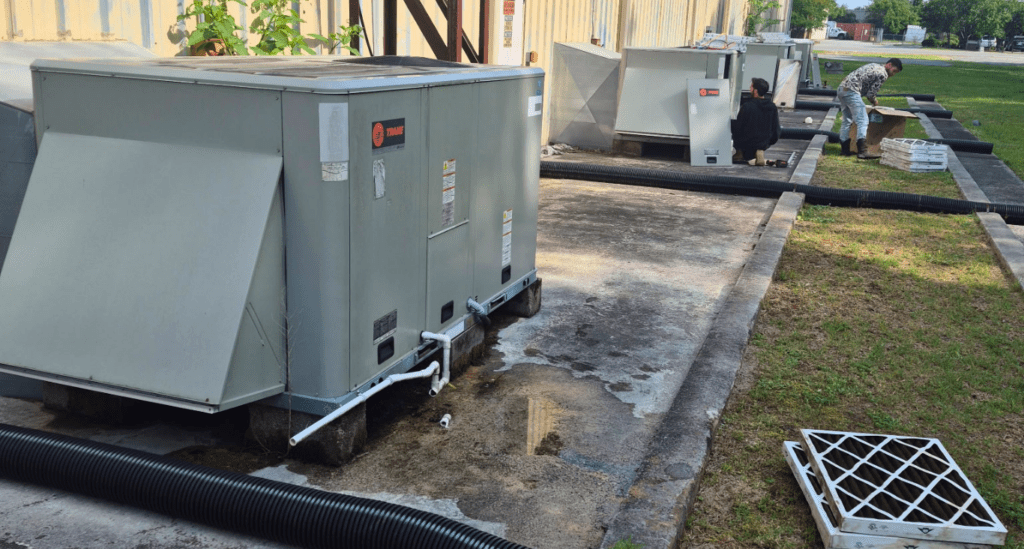
Next, HVAC coils. These are like your system’s workout equipment; they need to stay clean to perform well. A quick scrub can save your coils from being overtaken by grime and gunk, which, let’s face it, is as gross as it sounds. And while you’re at it, don’t ignore the outdoor unit. Salt air loves turning outdoor units into a rusty mess, so a rinse now and then can work wonders.
Now, here’s where you might want to call in a professional commercial HVAC Wilmington, NC company. A professional tune up isn’t just for show; it’s like your system’s annual checkup to catch small problems before they become expensive disasters. Plus, it gives you an excuse to hang out with your favorite HVAC tech. (Just us? Okay, cool.)
And finally, don’t underestimate the power of scheduling. Create a maintenance routine and stick to it like it’s your favorite Netflix series. A little consistency can go a long way in keeping your commercial HVAC Wilmington, NC system from becoming the star of its own repair drama. So, roll up your sleeves, show your system some love, and save yourself the pain of mid-summer meltdowns, literally.For more commercial HVAC Wilmington, NC tips be sure to read our following related articles. Also, don’t forget to checkout our most asked questions about battling salt air and coastal conditions when having a commercial HVAC Wilmington, NC system to maintain.
Conclusion and Future Considerations
Wrapping up all this commercial HVAC Wilmington, NC drama, it’s clear that tackling the salty air and sticky humidity in Wilmington, NC isn’t for the faint of heart, or for systems that belong in a museum. But here’s the good news: with the right tools, some savvy upgrades, and a little TLC, your HVAC doesn’t have to live in fear of the elements. It’s like giving your system a set of armor and telling Mother Nature, “Nice try.”
Looking ahead, HVAC tech is only getting cooler (pun absolutely intended). Energy efficiency is leveling up, and the rise of even smarter automation means your system could soon feel like it’s running on autopilot. Think fewer breakdowns, lower bills, and less time spent wondering if the salty air is secretly plotting your system’s demise.
And don’t worry, you don’t have to become some kind of HVAC guru to keep things running smoothly. Partnering with the right professionals and staying consistent with maintenance will make all the difference. Treat your system like a VIP, and it’ll return the favor by keeping your workspace comfy and your costs under control.
The future of commercial HVAC Wilmington, NC is bright, well, as bright as it can be when it’s busy battling corrosion and humidity. With the right approach, you’ll stay ahead of the game and, dare we say, even enjoy the ride. So, here’s to keeping the air fresh, the system stress free, and the salt air firmly in its place.
For more commercial HVAC Wilmington, NC tips, be sure to read our following related articles. Also, don’t forget to checkout out our most asked questions with answers about how to deal with salt air and corrosion when trying to maintain a commercial HVAC Wilmington, NC system.
What is The Salt Air Impact on Commercial HVAC Wilmington, NC Systems?
Salt air contains tiny salt particles that can settle on your HVAC system’s components, creating a highly corrosive environment. Over time, this exposure can lead to weakened metal surfaces, increased wear, and reduced system performance. Coastal climates, like that of Wilmington, NC, amplify these effects due to higher humidity levels, which make it easier for salt to stick to surfaces.
This corrosion not only damages essential parts but also contributes to inefficiencies that drive up energy costs. Understanding how salt air interacts with your HVAC system allows you to recognize the unique challenges of maintaining equipment in such conditions and highlights the importance of proactive care to prevent long term damage.
What are Some Preventive Measures for Corrosion?
Regular upkeep is key to defending your HVAC system against the effects of salt air. Scheduling consistent maintenance checks helps identify corrosion risks early, allowing for quick action before damage escalates. Applying anti corrosion treatments designed for coastal environments can significantly enhance your equipment’s durability, forming a protective layer against salt exposure. It’s also a good idea to rinse external components periodically with fresh water to remove any accumulated salt, especially after heavy winds or storms.
For areas most exposed to the elements, consider installing additional safeguards like covers or enclosures. These preventive steps not only preserve the functionality of your system but also help maintain energy efficiency, which can result in lower operational costs over time.
How Important is it To Choose the Right Materials For a Commercial HVAC Wilmington, NC System?
Selecting components made from corrosion resistant materials is crucial for HVAC systems in coastal areas. For example, stainless steel and aluminum offer excellent resistance to the effects of salt air, reducing the risk of rust and degradation.
Coatings designed for harsh environments can add an extra layer of protection, ensuring that critical parts remain intact despite constant exposure. When upgrading or replacing system components, prioritize materials specifically engineered to handle the challenges of humid, salty conditions. These choices not only enhance the durability of your equipment but also help maintain reliable performance under demanding circumstances.
How Important is Smart Building Integration for Commercial HVAC Wilmington, NC System?
Smart building technology offers a powerful way to enhance the management of your commercial HVAC system in Wilmington, NC. With IoT-enabled devices, you can access detailed data about system performance, temperature levels, and potential maintenance needs. This technology allows you to automate processes, like adjusting settings based on environmental conditions, to improve efficiency and reduce strain on your system.
By leveraging real-time insights, you can make more informed decisions and address issues before they escalate. These advancements not only simplify system oversight but also support better overall performance in challenging coastal environments.
How Important is Regular Inspection and Cleaning?
Consistent inspections and cleaning help protect your HVAC system from the effects of coastal conditions. Focus on components that are more susceptible to salt exposure, ensuring any buildup is promptly addressed. Use appropriate tools and techniques to clean delicate parts without causing damage.
Regularly checking filters, coils, and connections can help maintain optimal airflow and efficiency. Keeping a detailed maintenance schedule ensures no critical areas are overlooked, helping to extend the life of your system and minimize commercial HVAC Wilmington, NC repair costs.