AC Replacement Rule of 5000: Know When to Replace Your Air Conditioner
John Doe
ECSi Team Member
Date Published: 5/20/2026
Table of Contents
Understanding the 'Rule of 5000'
The “Rule of 5000” is a straightforward calculation that can help you decide whether repairing or replacing your air conditioner makes more financial sense. To apply this rule, simply multiply the age of your AC unit by the estimated cost of the current air conditioning repair services. If the total exceeds $5,000, it’s typically a sign that replacement is the better long-term investment.
This guideline is especially helpful for balancing upfront HVAC repair costs with potential future expenses. Older air conditioners often require more frequent repairs, and those costs can add up quickly. By factoring in the age of your system, the “Rule of 5000” helps you determine if continuing to repair an aging unit is worth it or if it’s time to upgrade to a more efficient model.
It’s important to note that while this rule provides a good starting point, it doesn’t account for every factor. For example, the efficiency of your current AC unit and how well it meets your home’s cooling needs should also play a role in your decision making. However, using this calculation can give you a clearer perspective when evaluating repair quotes, allowing you to make a more informed choice.
Signs It's Time for AC Replacement
Your air conditioner often gives clear signals when it’s nearing the end of its lifespan. One key sign is uneven cooling throughout your home. If certain rooms feel too warm while others are too cold, your AC may be struggling to distribute air properly. This could point to an aging system that can no longer meet your home’s needs efficiently.
Unusual noises coming from your unit, like grinding, rattling, or buzzing, can also indicate deeper mechanical issues. While some sounds might result from minor problems, consistent or worsening noise is often a sign that critical components are wearing out. Ignoring these sounds can lead to costlier breakdowns down the line.
Another important factor to watch for is a noticeable decrease in overall performance. If your air conditioning is taking longer to cool your home or if the air doesn’t feel as cold as it used to, it might be struggling to keep up. This can be especially frustrating during periods of extreme heat, leaving your home feeling less comfortable.
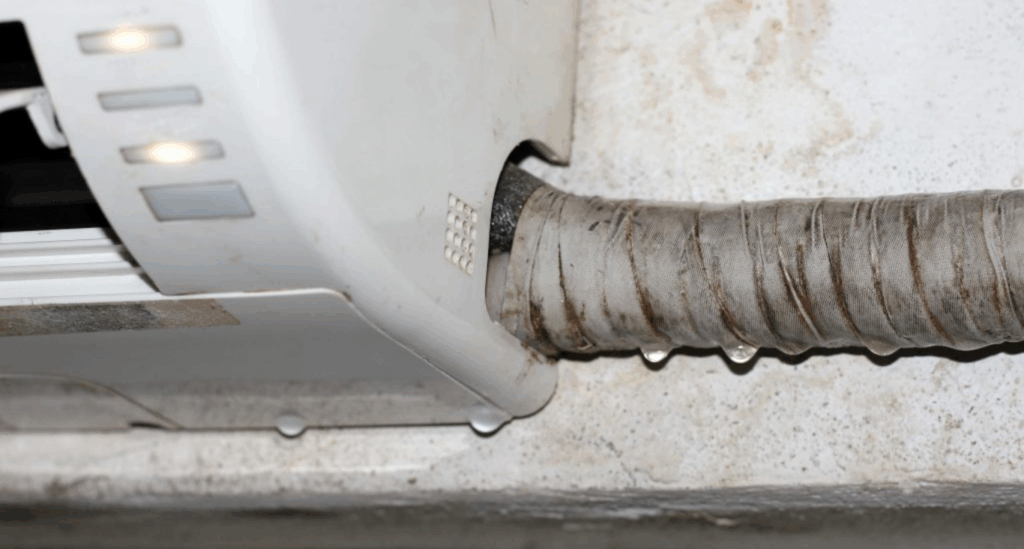
Additionally, unusual moisture or leaks around your system may signal a refrigerant issue or a failing part. These problems not only reduce efficiency but can also pose safety and health risks, such as mold growth from excess moisture.
Age and Efficiency of Your Current Unit
As air conditioners get older, they often lose their ability to operate as efficiently as they once did. This decline in performance can lead to higher energy consumption and increased utility bills. Units that have been in service for over a decade may have outdated technology and components that struggle to meet today’s efficiency standards. This means they work harder to cool your home, using more energy in the process.
An older AC unit may also have difficulty maintaining a consistent indoor temperature. You might notice that some areas of your home feel cooler while others remain warm, even when the system is running. This inconsistency can make it harder to stay comfortable, particularly during the hottest months when you rely on your air conditioner the most.
Additionally, advancements in air conditioning technology have made newer units much more energy efficient than models manufactured 10-15 years ago. Modern systems are designed to use less energy while delivering improved performance, which can translate to noticeable savings on your monthly energy bills. Upgrading to a newer unit can also reduce the strain on your HVAC system, leading to a longer lifespan and fewer repairs over time.
It’s worth noting that older air conditioners often require refrigerants that are being phased out for environmental reasons. Replacing or recharging these refrigerants can be both expensive and difficult as they become less available. Newer systems, by contrast, use eco-friendly refrigerants that align with current regulations, making them a more sustainable option.
Cost Analysis: Repair vs. Replace
When deciding between repairing or replacing your air conditioner, it’s essential to weigh the financial implications of both options. Repairing an older unit may seem like the more affordable choice upfront, but frequent breakdowns can quickly escalate costs. Each repair adds to the cumulative expense of keeping an outdated system running, often without addressing the underlying inefficiency that leads to higher energy bills.
Newer air conditioning systems are designed with advanced technology that not only improves performance but also reduces energy consumption. This can result in significant savings over time, especially if your current unit struggles to cool your home efficiently. While the initial cost of replacing your air conditioner may feel like a big investment, modern systems often pay for themselves through lower operating costs and fewer repairs.
In addition to energy efficiency, AC replacement costs are influenced by factors like the size of your home, the type of system you choose, and HVAC installation service expenses. These upfront costs can vary, but they are balanced by long term benefits such as improved indoor comfort and reliability.
It’s also important to consider how repair costs can add up when your system uses older or obsolete components. As parts for aging systems become harder to find, their replacement can be more expensive, leaving you with higher repair bills. Upgrading to a newer unit can help you avoid these escalating costs while also providing access to more sustainable refrigerants and technologies.
Ultimately, evaluating your air conditioner’s overall condition and efficiency can provide a clearer picture of whether repairs are worth the expense. If your current system struggles to maintain comfort or requires increasingly frequent HVAC service calls, it may be time to shift your focus toward replacement as a more cost effective and reliable solution.
Consulting with HVAC Professionals
When considering whether to repair or replace your air conditioner, getting input from a residential and commercial HVAC company can provide clarity and confidence in your decision. These professionals have the training and experience to evaluate your current system’s condition, helping to identify issues that may not be immediately obvious. By conducting a thorough inspection, they can pinpoint inefficiencies, diagnose problems, and assess the overall performance of your unit.
Professional air conditioning and heating repair companies also stay up to date on the latest technologies and energy efficient systems, making them a valuable resource for understanding your options. They can explain the benefits of different models and features, helping you choose an air conditioner that aligns with your home’s cooling needs and budget. Whether you’re looking for advanced features like programmable thermostats or want to explore environmentally friendly refrigerants, their expertise can guide you toward the best choice for your situation.
Additionally, working with a professional ensures that your new system, if replacement is necessary, is properly sized and installed. A unit that’s too large or too small for your home can lead to inefficiency, higher energy bills, and uneven cooling. HVAC technicians use specialized tools and calculations to ensure the system they recommend is the right fit for your space.
Another advantage of consulting with an expert is the ability to plan for long term maintenance. They can provide advice on keeping your system running efficiently, suggest maintenance schedules, and help you understand how to extend the lifespan of your air conditioner. This proactive guidance can save you money and prevent unexpected breakdowns in the future.
By seeking professional input, you gain access to tailored advice and solutions designed to enhance your home’s comfort and energy efficiency. Their knowledge allows you to navigate the decision-making process with greater ease and confidence.
Long-term Benefits of a New AC Unit
Replacing your air conditioner can offer a wide range of advantages that go beyond just cooling your home. Modern systems are designed with energy efficiency in mind, which can lead to noticeable savings on your utility bills. They use advanced technology to cool your space more effectively while consuming less energy, reducing both your expenses and your environmental impact.
In addition to energy efficiency, newer units often come equipped with features that enhance overall comfort. Improved airflow, better humidity control, and quieter operation can transform your indoor environment, making your home a more pleasant place to spend time. Many systems also include advanced air filtration options, which can improve air quality by reducing allergens and pollutants, something that’s especially beneficial for households with sensitive individuals.
Another important benefit is reliability. A new air conditioner is far less likely to break down compared to an older, worn-out system. This means you’ll spend less time and money on unexpected repairs, allowing you to enjoy uninterrupted comfort during the hottest months of the year. Plus, most new units come with manufacturer warranties, which provide added protection and peace of mind.
Investing in a new AC unit can also increase your home’s overall value. A modern, energy efficient system is an attractive feature for potential buyers, should you decide to sell your home in the future. With the combination of lower operating costs, improved performance, and enhanced reliability, a new air conditioner is a smart, long-term investment that benefits both your home and your family.
Conclusion
As you can now see, deciding whether you are in the need of AC replacement or repair services can be a bit confusing. The best thing to do if you HVAC unit is not acting normal is to contact a local HVAC company to come take a look. It is much better to have a professional look at it than you go poking around yourself and cause more harm than good.
For more information on AC replacement, installation and repairs, be sure to read our following related articles. Also, don’t forget to check out our most asked questions with answers about AC replacement.
FAQs
What are Some Sign That AC Replacement is Needed?
If your AC struggles to keep your home cool, produces strange sounds, or causes your energy bills to spike, it may be time to consider a replacement. Systems that require frequent repairs or fail to maintain a consistent temperature can indicate aging or inefficiency. Additionally, outdated units over 10-15 years old may lack the performance and energy saving features found in modern options. Keep an eye out for inconsistent airflow, unusual odors, or moisture buildup, as these could also signal that your current system is no longer meeting your home’s needs effectively.
How Do I Choose the Right AC Unit for My Home?
When selecting an AC unit, it’s important to match the unit’s capacity to your home’s cooling needs. Units that are too large or too small can lead to inefficiency and discomfort. Pay attention to energy efficiency ratings, like SEER, to find a system that offers better performance while reducing electricity costs.
Consider the type of unit, central, ductless, or window, based on your home’s layout and preferences. Research models with advanced features, such as programmable thermostats or variable speed compressors, for enhanced control and comfort. Consulting with a local HVAC contractor can help you make an informed decision tailored to your home and budget.
What is The AC Replacement Process?
The AC replacement process starts with evaluating your current system and identifying the right solution for your home. Technicians will carefully remove the old unit and prepare the area for the new installation. This might include updating connections or making adjustments to ensure compatibility. Once the new air conditioning system is in place, the team will test the system to confirm it operates efficiently. They’ll also provide guidance on using your new system for optimal comfort and performance.
What is The Cost of AC Replacement Services?
The price of replacing an air conditioning system depends on factors like the unit’s size, type, and installation needs. High efficiency models may cost more upfront but can save on energy expenses over time. Some installations may require additional work, such as duct adjustments, which can affect the total cost. To make the upgrade more manageable, look into financing plans or manufacturer promotions. Exploring available rebates and incentives can also help reduce the overall expense of your new system.
What are Some Things I Can Do to Help Prevent Replacement?
Regular care keeps your AC efficient and reliable. Change filters as recommended to ensure proper airflow and reduce strain on the system. Clean around the outdoor unit to prevent debris from blocking ventilation. Check the thermostat settings occasionally to ensure accurate temperature control. Keeping an eye on these details can help your AC work better and last longer. Additionally, scheduling a professional tune up can catch potential issues early and maintain your system’s performance through every season.