Key Safety Features for Commercial Kitchen Installations

Picture of Rick Moore

Rick Moore

ECSi Team Member
Date Published: 6/30/2026

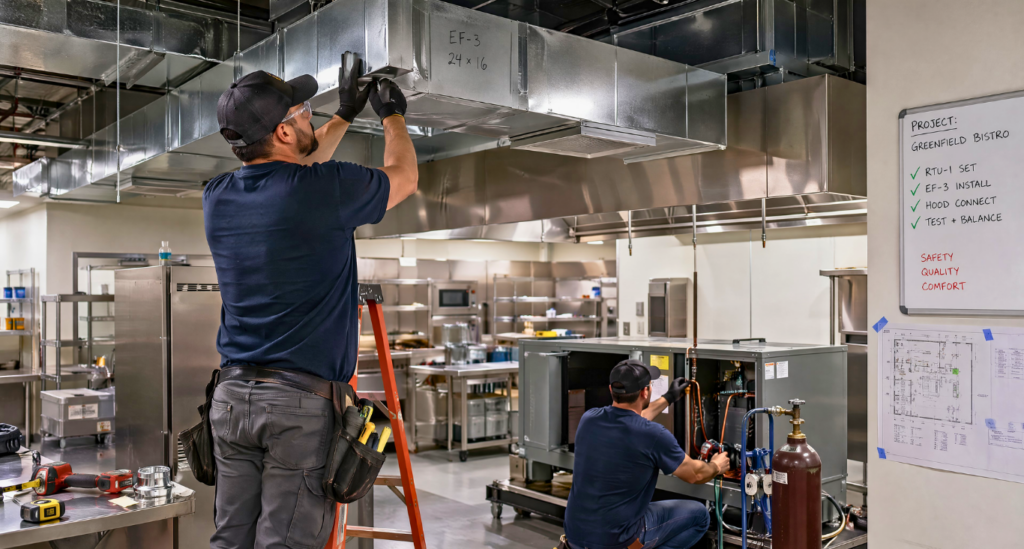
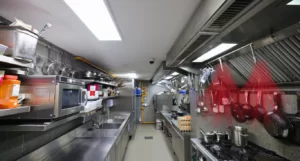
Commercial Kitchen Installation Job Being Performed.

Table of Contents

Introduction to Commercial Kitchen Requirements

Designing a commercial kitchen involves more than just placing equipment in a space, it’s about creating an environment that supports safety, efficiency, and compliance with regulations. Every detail, from gas line installations and connections to ventilation, must be carefully planned to ensure smooth operations and a safe workplace for staff. A well thought out kitchen design takes into account the unique demands of the food service industry, balancing functionality with the need to meet safety standards.

One of the key considerations is the infrastructure that supports heavy duty cooking equipment. The placement and installation of appliances must align with safety protocols while also allowing for efficient workflows. Properly regulated gas systems, reliable ventilation setups, and flexible connections all contribute to a safer and more adaptable kitchen. Addressing these factors early in the planning process helps prevent disruptions later on and sets the foundation for a kitchen that can handle the demands of a busy operation.

Additionally, the integration of safety features, such as fire suppression systems and interlocks, is essential to meet modern safety codes and protect both staff and property. As the industry increasingly moves toward smart building technologies, designing a kitchen that can accommodate these innovations ensures you’re prepared for future advancements. Whether you’re working with a new build or an upgrade, taking a thoughtful approach to these core elements will help you create a commercial kitchen that meets the needs of your business while prioritizing safety and efficiency.

Gas Pressure Regulation in Commercial Kitchens

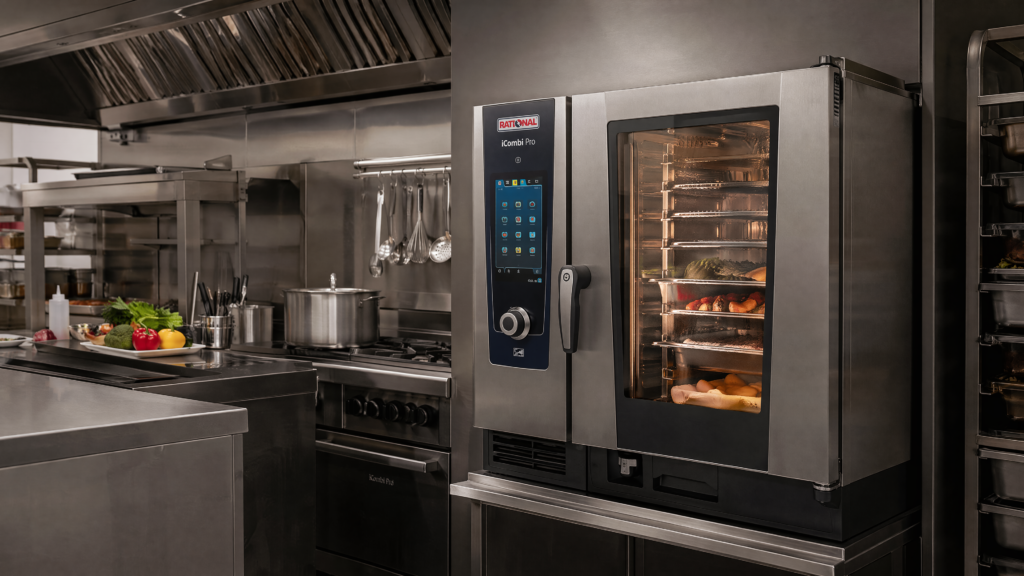
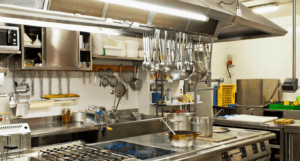
A Combi Oven in a Commercial Kitchen.

Gas pressure regulation plays a vital role in the performance and safety of your commercial kitchen equipment. The supply pressure must be carefully adjusted to match the specific needs of each appliance, as different types of equipment often require varying pressure levels to function correctly. For example, natural gas appliances generally operate at a standard pressure of about 3.5 inches of water column (W.C.), but some high-capacity units, such as combi ovens, might demand higher pressures to operate efficiently.

When gas pressure is not properly regulated, it can lead to several issues, including uneven cooking, reduced efficiency, and even equipment malfunctions. Over pressurized systems can strain appliance components, while underpressurized systems may fail to deliver adequate heat output. These scenarios not only compromise kitchen performance but could also introduce potential safety risks.

To maintain a safe and efficient environment, regular inspections of your gas lines and pressure settings are essential. Professional commercial HVAC technicians can help ensure that regulators, valves, and connectors are functioning properly and that each piece of equipment receives the correct pressure. This routine maintenance helps to prevent avoidable breakdowns and keeps your operations running smoothly.

Another important factor is planning for changes to your kitchen setup. If you’re adding new appliances or upgrading existing ones, it’s crucial to confirm that your gas supply system can accommodate any adjustments in pressure requirements. Taking these proactive steps will help ensure your kitchen remains a reliable and safe workspace, capable of handling the demands of daily service.

Ventilation and Safety Interlocks

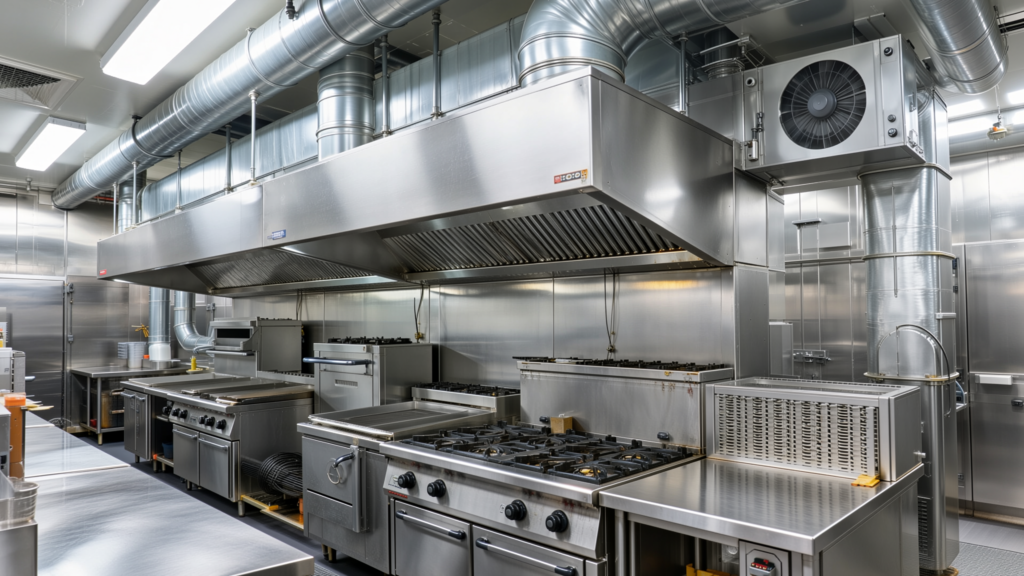
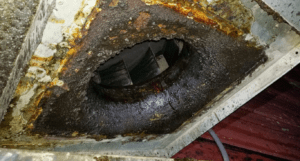
Commercial Kitchen Ventilation System.

Proper ventilation systems are essential in managing the heat, smoke, and odors generated during cooking, ensuring a healthier and more comfortable workspace. Exhaust systems work by removing these byproducts efficiently, helping to maintain air quality while reducing the risk of heat buildup that could disrupt operations. Selecting the right ventilation setup involves considering the specific needs of your kitchen, including the size and type of equipment in use, to ensure optimal airflow and functionality.

Safety interlocks add another critical layer of protection by directly linking gas supply systems with ventilation and fire suppression mechanisms. These devices are designed to automatically shut off the gas supply in situations where the ventilation system fails or when a fire is detected, helping to minimize potential hazards. Interlocks act as a safeguard, ensuring that equipment operates only when proper conditions are met, preventing dangerous scenarios like gas buildup or uncontrolled flames.

When installing or upgrading your kitchen’s ventilation and interlock systems, it’s important to prioritize compatibility with your existing infrastructure and equipment. Ensuring that all components work seamlessly together can prevent unnecessary downtime and create a safer environment for your staff. Additionally, investing in high-quality materials and technology for these systems supports long term reliability and performance. This approach not only improves safety but also aligns with industry best practices for modern commercial kitchens.

Flexible Hose Management

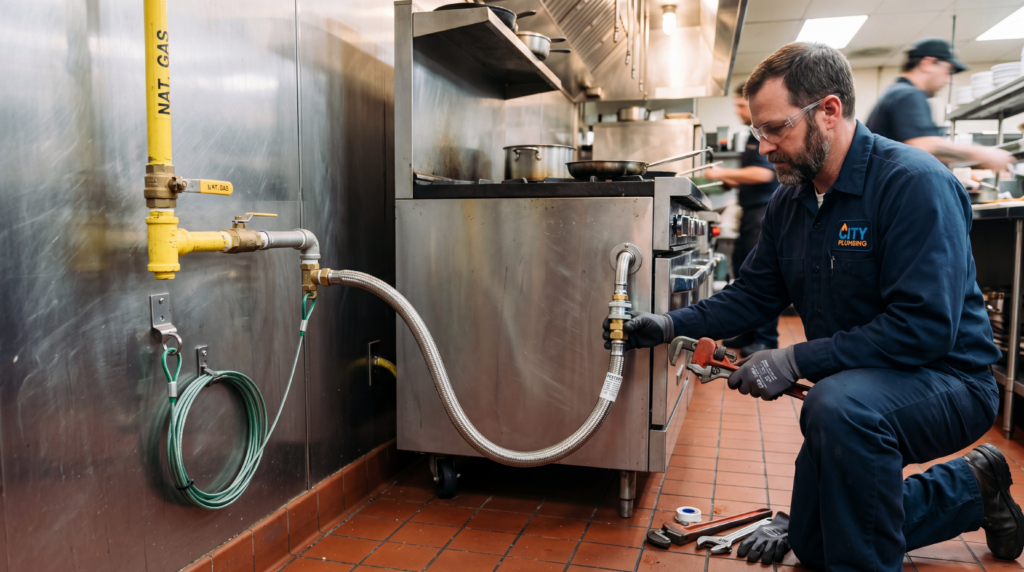
Proper Flexible Hose Installation and Management is Important to Prevent Gas Leaks.

In a bustling commercial kitchen, flexibility and safety go hand in hand, particularly when it comes to managing gas connections. Flexible gas hoses are an essential feature, offering the adaptability needed to accommodate the frequent movement of heavy-duty appliances during cleaning or maintenance. These connectors allow equipment to be repositioned without putting undue strain on the gas line, reducing the risk of wear and tear over time.

To maximize their performance and longevity, it’s important to choose connectors made from durable, high-quality materials that can withstand the demands of daily kitchen operations. Restraining cables are a crucial addition, as they help secure the connectors in place and prevent overextension, which could compromise the gas line’s integrity. By incorporating these safeguards, you can minimize the potential for costly equipment damage or interruptions in service.

Quick disconnect fittings further enhance the practicality of flexible hoses, making it easier to disconnect appliances safely and efficiently when needed. Whether it’s for deep cleaning or reconfiguring your workspace, these fittings save time and streamline processes. Additionally, their design helps maintain a secure seal when connected, ensuring gas flow remains consistent and safe during use.

When installing or upgrading gas connectors, it’s essential to assess the layout and requirements of your kitchen. Ensuring proper alignment between your appliances and gas lines can help avoid unnecessary stress on the connectors and contribute to a safer, more functional workspace. Working with knowledgeable HVAC installation professionals during the selection and installation process ensures all components meet industry standards and are tailored to your kitchen’s specific needs.

Addressing Smart Building Integration

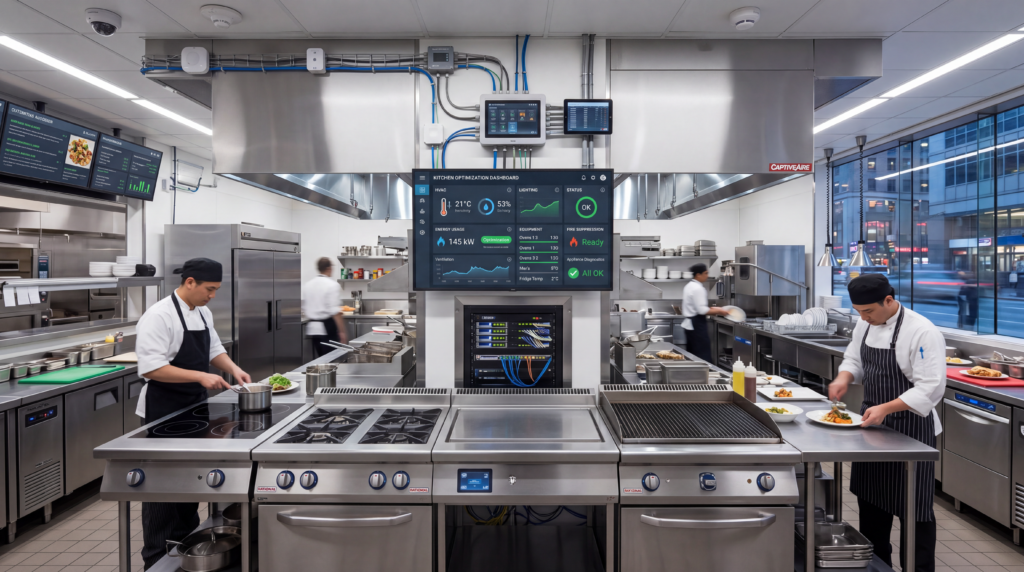
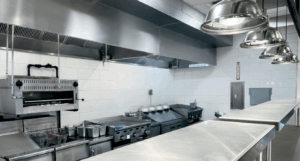
Having a Smart Building System Integrated into a Commercial Kitchen Can Help Improve Overall Management.

Integrating smart building technology into commercial kitchens allows for improved monitoring, control, and efficiency, but it requires thoughtful coordination to ensure everything works cohesively. With IoT-enabled systems, real time data can enhance operational insights, from tracking energy usage to maintaining optimal equipment performance. These innovations can streamline kitchen management, reduce downtime, and even lower both operational and ventilation system repair costs by identifying inefficiencies early.

The key to successful integration lies in selecting systems that complement your kitchen’s existing infrastructure. For instance, sensors and automated controls can be linked to gas pressure regulators, ventilation systems, or fire suppression equipment to provide immediate feedback and alerts when adjustments are needed. This interconnected approach enhances both safety and functionality, giving you greater control over critical kitchen operations.

When incorporating these technologies, it’s important to evaluate the compatibility of devices and ensure they meet industry standards for safety and performance. Collaborating with experienced heating and air conditioning repair and installation professionals during the planning and implementation stages can help address technical challenges and tailor solutions to your kitchen’s unique requirements.

Additionally, training your team to use these tools effectively is a vital step in maximizing their potential. Intuitive, user-friendly interfaces make it easier for staff to adopt new systems, fostering confidence and encouraging consistent usage. As more kitchens embrace smart technology, staying ahead of these advancements can give your operation a significant edge, offering greater efficiency and an enhanced working environment.

Conclusion

Creating a safe and efficient commercial kitchen requires thoughtful planning and attention to detail. Each component, from gas connections to ventilation systems, plays a vital role in supporting daily operations and maintaining compliance with safety standards. By prioritizing reliable installations and high-quality materials, you can set the stage for a kitchen that performs seamlessly, even under the demands of a busy service environment.

Effective design is about more than just functionality; it’s about building a space that supports both your immediate needs and long-term goals. Addressing key factors like adaptable gas connections, integrated safety features, and smart technology ensures your kitchen is equipped to handle evolving challenges while staying aligned with modern industry practices. Taking the time to evaluate your infrastructure and align it with best practices minimizes risks and can prevent costly disruptions.

As advancements in technology and safety standards continue to shape the food service industry, flexibility becomes a cornerstone of a successful kitchen. Planning for upgrades and future innovations allows your operation to adapt without unnecessary downtime or expense. Investing in professional guidance during the design and installation stages can also make a significant difference, providing expertise that ensures all systems work together efficiently.

Ultimately, designing a kitchen is an opportunity to create a space that enhances both the performance of your team and the quality of the service you deliver. With a thoughtful approach to installations and a commitment to safety, your kitchen can become a reliable, productive environment that supports the growth and success of your business.

For more information on commercial kitchens and restaurant exhaust hood installation and repair, as well as heating and ventilation maintenance tips. Be sure to read our following related articles.  Also, don’t forget to check out our most asked questions with answers about commercial kitchen installations and repairs below.

FAQs

What is The Proper Process for Commercial Kitchen Installation?

Designing a commercial kitchen starts with creating a layout that supports smooth operations and maximizes efficiency. Thoughtful planning ensures that workstations are organized logically, reducing unnecessary movement and saving time during busy shifts. It’s also important to address specific installation requirements, such as plumbing, electrical connections, and proper ventilation. These elements not only support functionality but also help meet health and safety standards.

Partnering with professionals who specialize in commercial kitchen setups like many HVAC contractors do, can simplify the process, ensuring that all components are installed correctly and comply with local codes. From choosing materials to placing appliances strategically, each decision contributes to building a workspace where your team can perform at its best.

Selecting equipment tailored to your kitchen’s needs is essential for smooth operations. Evaluate your menu and daily volume to determine which appliances will best support your workflow. For instance, high-capacity ovens, refrigerators with adjustable storage, or specialized equipment like grills can enhance productivity.

Additionally, incorporating IoT-enabled devices can streamline processes by offering features like remote monitoring or automated alerts for maintenance. Prioritize energy efficient options to reduce operational costs while meeting performance demands. When making purchasing decisions, consider the durability and long-term reliability of the equipment to ensure it withstands the demands of a busy kitchen environment.

Proper upkeep is essential to avoid interruptions in a busy kitchen. Focus on tasks like inspecting seals on refrigerators, descaling appliances, and cleaning ventilation systems to ensure equipment runs smoothly. Scheduling regular maintenance checks helps identify potential problems early, minimizing downtime.

Smart technology can assist by sending notifications when service is needed, making it easier to stay on top of routine care. For repairs, it’s best to work with air conditioning and heating technicians experienced in commercial kitchen systems to ensure efficient solutions and extend the lifespan of your equipment. Quick action when issues arise can prevent small problems from escalating, helping maintain an efficient and productive workspace.

Adhering to regulations requires careful attention to every detail in your kitchen setup. Install fire suppression systems and ensure your ventilation meets required standards to minimize risks. Use equipment that complies with health and safety codes and regularly schedule professional inspections to address any gaps.

Incorporating smart technology can provide real time alerts for critical issues, such as temperature fluctuations or system malfunctions. Regular staff training is equally important, empowering your team to follow best practices and respond effectively in emergencies. These steps work together to create a secure, efficient environment that prioritizes the well-being of everyone in the kitchen.

Planning your budget for a commercial kitchen involves balancing upfront costs with long term savings. Factor in installation expenses, maintenance needs, and energy usage when evaluating your options. Investing in high quality, durable equipment may require a higher initial cost but can reduce repair and replacement expenses over time.

Smart technology can also offer significant savings by improving energy efficiency and streamlining operations. Allocate funds for unplanned repairs to avoid disruptions and ensure smooth operations. By carefully considering these aspects, you can create a cost-effective plan that supports both your immediate needs and your long-term goals.

Related Articles

Scroll to Top