Why Restaurant Exhaust Hood Installation Is Not That Scary

Picture of Author: Rick Moore

Author: Rick Moore

ECSi Team Member
Date Published: 8/27/2025

Restaurant Exhaust Hood installation
Restaurant Exhaust Hood System

Table of Contents

Understanding Restaurant Exhaust Hoods

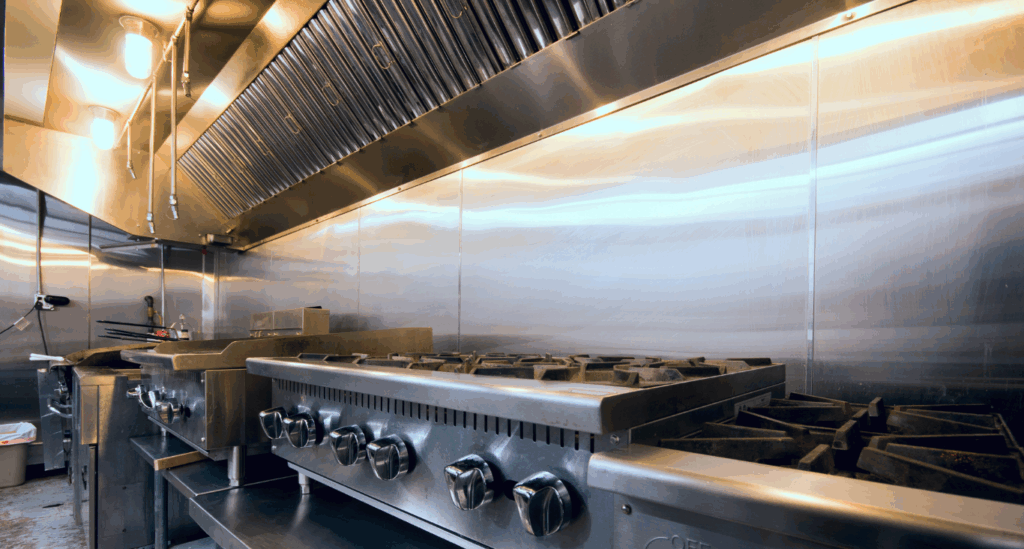
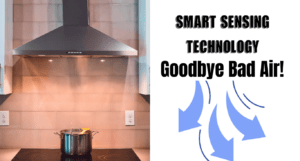
Picture this: your kitchen is cranking out orders, the grill is sizzling, and suddenly it feels like you’re hosting a smoke machine party no one asked for. Enter the restaurant exhaust hood—your kitchen’s unsung hero. This shiny marvel doesn’t just sit there looking pretty; it’s working overtime to keep all the smoke, heat, and grease from turning your culinary operation into a sauna-slash-grease trap combo.

Think of it as the VIP bouncer for your kitchen. Its job? To whisk away all the chaos before it even thinks about crashing the dining room. Without it, you’re looking at a scenario where smells linger like an ex who doesn’t get the hint, and the heat? Well, let’s just say your kitchen staff might start auditioning for fire-dancing gigs.

And here’s the thing: a quality exhaust hood doesn’t just save your lungs and sanity; it keeps your space from looking like a scene from an overly dramatic cooking competition—minus the Gordon Ramsay-level screaming. It’s not magic, but it’s close.

Choosing the Right Exhaust Hood

Restaurant Hood System Installation Services
Restaurant Exhaust Hood System

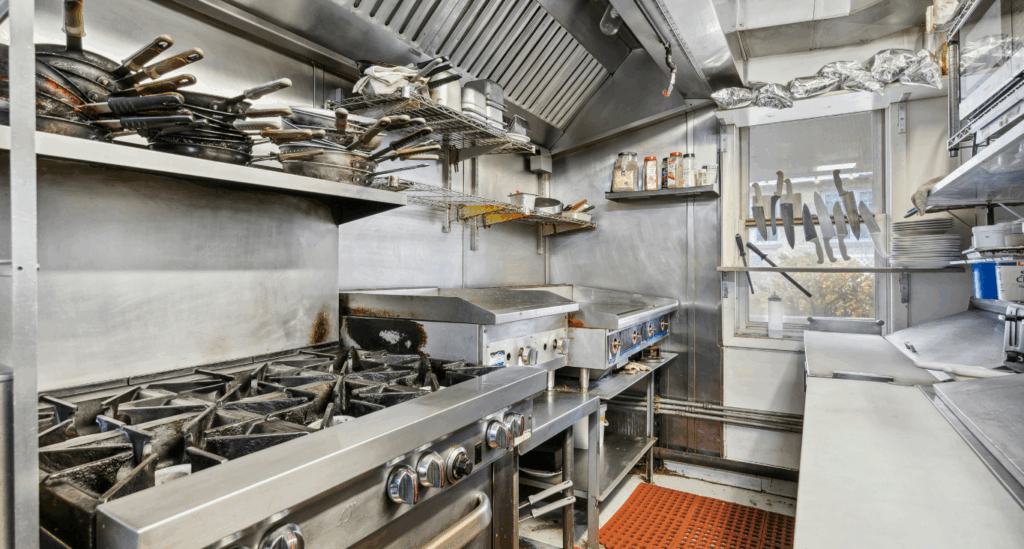
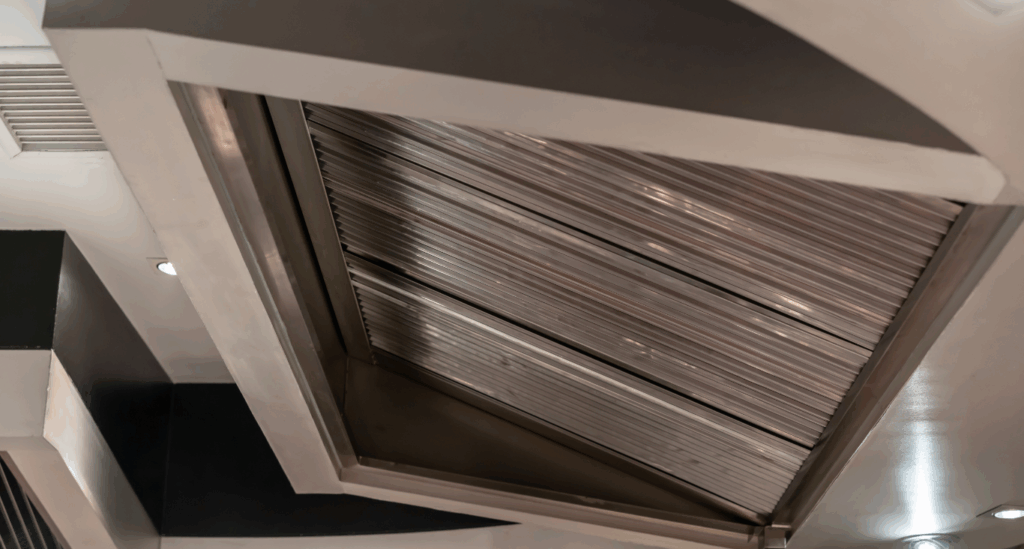
Picking the right exhaust hood isn’t rocket science, but it’s not as simple as grabbing the first one you see on sale either. Your kitchen setup deserves better than a mismatched piece of equipment that looks like it wandered in by accident. First things first, size matters—yes, we said it. A tiny hood in a massive kitchen is like trying to mop up a flood with a single napkin, while an oversized hood in a small space? Hello, overkill. Match the hood to your kitchen’s size and the type of cooking you do. Frying up bacon all day? You’ll need a heavy-duty option to handle that grease parade.

Budget, of course, is another biggie. Don’t let anyone tell you that you need a hood so expensive it could moonlight as a spaceship. Affordable options exist that can handle the job without requiring you to empty your savings account. Just avoid the bargain-bin specials that might fall apart faster than a poorly wrapped burrito. Trust us, you don’t want to explain to your insurance why your exhaust hood decided to take a nosedive mid-lunch rush.

And here’s a pro tip: look for hoods that are easy to clean. Because let’s be honest, no one wants to spend hours scrubbing grease out of nooks and crannies. Some models even come with removable filters, which are basically the holy grail of kitchen cleaning. It’s like having a cheat code for maintenance.
Lastly, check the noise level. The last thing you need is a hood that sounds like it’s auditioning for a role in a disaster movie. Your staff will thank you, and so will your sanity.

Installation Process Overview

Let’s face it—installing a restaurant exhaust hood sounds about as fun as hosting a dinner party for your in-laws. But don’t worry, it’s not as terrifying as it sounds. First up, grab that manual. Yes, the one you were planning to ignore. It’s not just there to make you feel inadequate; it’s your cheat sheet to getting this done without needing a “how to fix a failing exhaust hood” tutorial later.

Next, figure out where it’s going. This isn’t the time to wing it, folks. Your hood needs to cover all the action on your stove, not just hover somewhere vaguely nearby like a clueless tourist. Once you’ve mapped it out, secure that bad boy to the wall or ceiling. Pro tip: double-check the screws. There’s nothing more humbling than having your shiny new hood take a dive during peak hours.

Now it’s ductwork time. Essentially, this is your hood’s secret escape route for all that smoke and grease. Make sure everything lines up, because nobody’s got time for a system that just sends everything swirling back into the kitchen. After that, it’s fan installation. A hood without a fan is basically just decorative wall art, and nobody’s impressed by that.

Finally, the test run. Crank it up and make sure it’s actually working before you go full MasterChef on your grill. If it’s running louder than your neighbor’s leaf blower, you might want to revisit the setup. Or invest in earplugs.

Maintenance and Compliance

Restaurant Exhaust Hood Maintenance

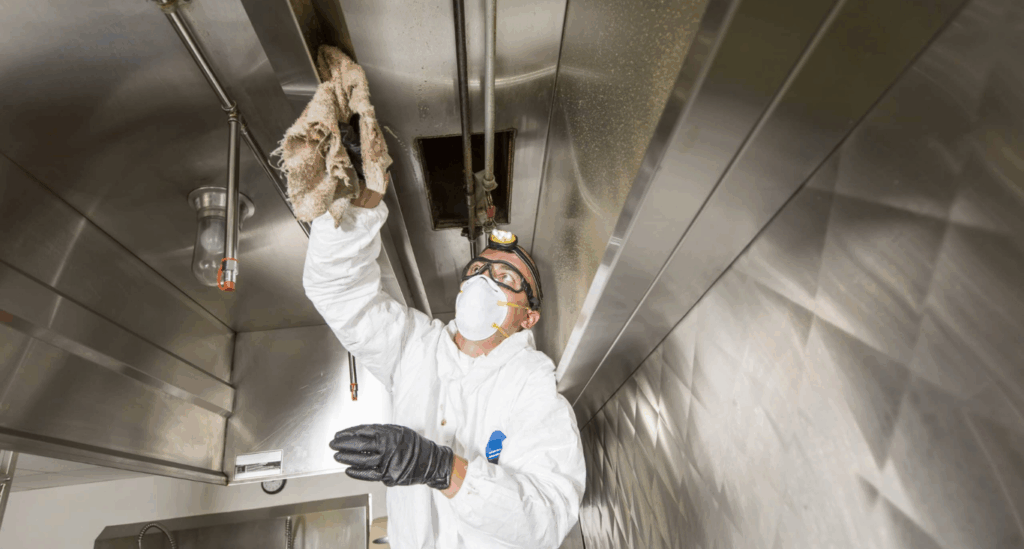
Your exhaust hood is up and running, but here’s the deal: it’s not a “set it and forget it” kind of thing. Think of it like that sourdough starter everyone got obsessed with—it needs attention. First off, those filters? They’re not going to clean themselves. Grease builds up faster than you can say “extra crispy,” and unless you’re aiming for an impromptu kitchen fire show, you’ll want to stay on top of that. Set a cleaning schedule. Weekly, monthly—whatever works. Just don’t let it turn into a science experiment.

And speaking of things that aren’t optional, let’s chat about local regulations. Health codes might not be the most thrilling bedtime reading, but ignoring them? Big mistake. Huge. A surprise health inspection can go from mildly annoying to downright devastating if your exhaust system isn’t up to code. Nobody wants to be “that place” people whisper about on Yelp.

Also, give the ductwork a quick once-over every now and then. If it’s clogged, your hood’s basically just sitting there, pretending to help. And we all know what happens when grease builds up in the wrong places—it’s not pretty, and it smells even worse. If the word “maintenance” makes you cringe, hire someone to handle it. There are professionals out there who live for this stuff (and you don’t even have to buy them coffee).

Oh, and don’t forget to check that fan. If it starts making noises that sound like an angry raccoon, it’s probably time for a tune-up. Keep it spinning smoothly, and your kitchen will thank you—not to mention your nerves. Because nothing ruins a perfectly good day like a malfunctioning hood during the lunch rush.

Cost Management for Small Businesses

Small Restaurant Exhaust Hood

Listen, we get it—money doesn’t grow on trees, and you’ve got about ten different things pulling at your budget like a toddler in a candy aisle. But investing in a proper restaurant exhaust hood system doesn’t have to feel like you’re signing away your firstborn. The key is to work smarter, not harder, with your funds. Start by shopping around and getting quotes like a pro. Don’t just go with the first company that promises the moon—they might deliver a moon-sized bill, too. Instead, aim for that sweet spot where affordability meets quality.

And here’s a little secret: not everything “cheap” is a deal, and not everything expensive is worth the splurge. Sometimes the mid-range options are like the perfect avocado—just right. Look for a hood that suits your kitchen’s needs without adding unnecessary bells and whistles (unless you’re opening a restaurant themed around literal bells and whistles, in which case, carry on).

Pro tip: find a provider who doesn’t tack on random fees faster than a concert ticket website. Installation and maintenance costs can stack up, so make sure you know what you’re getting into before anyone starts drilling holes in your wall. Oh, and ask about warranties. You’ll thank yourself later when that unexpected “uh-oh” moment strikes, and you’ve got coverage instead of a meltdown.

Finally, keep your maintenance game strong. A well-cared-for exhaust hood lasts longer and saves you from expensive repairs down the line. Neglect it, and you’ll end up spending more fixing what could’ve been prevented. Nobody wants that. Spend wisely now, so your future self isn’t side-eyeing you over budget regrets.

Competing with Larger Restaurants

Big chain restaurants might have the budget for TV ads, mascots with questionable dance moves, and shiny billboards, but you’ve got something they don’t—your kitchen. And let me tell you, a clean, well-ventilated kitchen with a quality exhaust hood is practically a secret weapon. When customers know their food isn’t marinating in yesterday’s grease fog, it makes an impression. Sure, you’re not slapping “We Have a Fancy Exhaust System” on your menu, but trust us, people notice the difference between “freshly grilled” and “smoke-flavored by accident.”

Plus, let’s talk efficiency. A reliable exhaust hood keeps your kitchen running smoothly, which means fewer delays and fewer frustrated “Where’s my food?” faces during peak hours. The less time you spend dealing with overheating or grease overloads, the more time you can spend focusing on what matters—delivering amazing food and service. Chains might have bigger teams and deeper pockets, but they also have cookie-cutter kitchens. You? You’ve got heart, hustle, and now, a smoke-free kitchen that doesn’t smell like a fryer exploded.

And here’s the bonus round: social media. Post a behind-the-scenes pic of your team working in a pristine kitchen, and watch those likes roll in. Customers love knowing their meals are prepared in a spot that could pass the white-glove test. So while the big guys are busy paying for another round of ads, you’re winning over diners one clean, delicious plate at a time.

Conclusion

As you can see, although it may seem that installing your restaurant exhaust hood will be a difficult task, if you follow the right steps it doesn’t have to be. For more restaurant exhaust hood system tips as well as heating and air conditioning repair tips, be sure to read our following related articles. 

Related Articles

Scroll to Top