Commercial HVAC Service: Predict Problems Before They Break the Bank

Picture of Rick Moore

Rick Moore

ECSi Team Member
Date Published: 7/27/2026

ECSi Commercial HVAC Service Specialists in Wilmington, NC.

Table of Contents

Introduction to Predictive AI Diagnostics

Let’s be honest: HVAC systems have a knack for picking the absolute worst times to throw a tantrum. It’s like they know when you’re on a tight deadline or hosting an important meeting and think, “You know what would spice things up? A total breakdown.” Predictive AI diagnostics, though, are here to end that nonsense. Think of it as your commercial HVAC systems personal therapist, catching all the warning signs of impending drama before it has the chance to ruin your day (or week).

This isn’t just some sci-fi fantasy. With predictive AI, your commercial HVAC system isn’t just sitting there quietly plotting its next sabotage attempt. Instead, it’s spilling all its secrets, temperatures, pressures, energy use, like it’s in a confessional booth. And that AI? It’s the Sherlock Holmes of data, piecing together clues to uncover problems before they make themselves known in the form of a sweltering office or freezing boardroom.

No more guessing games or crossing your fingers hoping everything holds together until the next HVAC maintenance appointment. Predictive diagnostics take the mystery out of HVAC health, so you’re not blindsided by an emergency air conditioning repairs that conveniently costs about the same as your last vacation. It’s smart, it’s proactive, and it’s basically the life coach your commercial heating and cooling system didn’t know it needed.

How Predictive Diagnostics Work

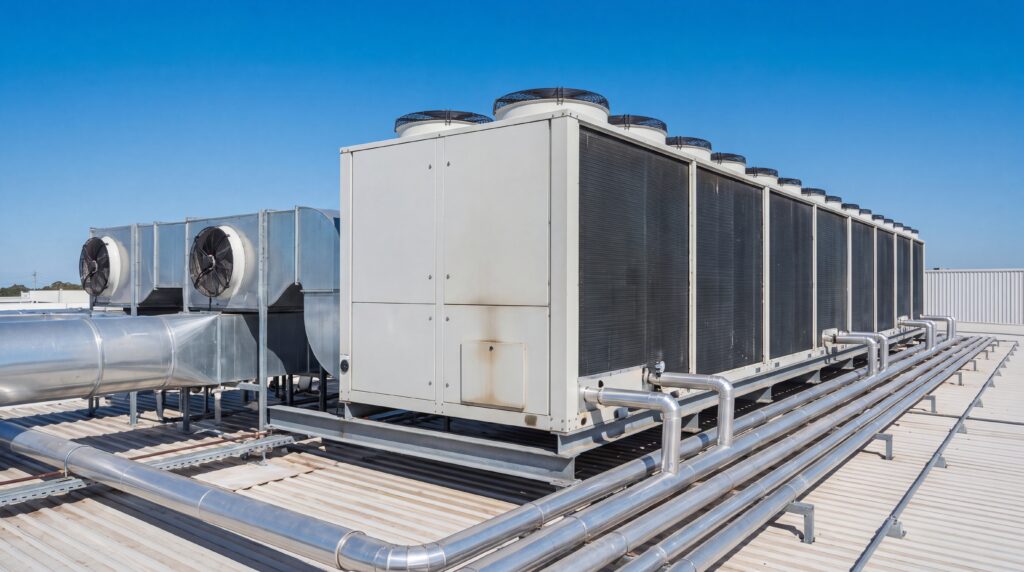
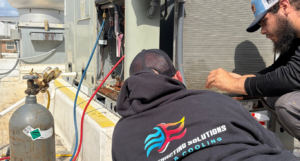
Commercial HVAC System That is Being Monitored by an AI Diagnostics System.

Alright, let’s break it down. Your commercial heating and cooling system are like the ultimate over sharer, constantly spilling the tea about its inner workings. Every fan blade rotation, every temperature shift, every motor hiccup, it’s all logged. Seriously, if your HVAC system had a diary, it would be a bestseller in the “Data Nerds” section.

Now, here’s where predictive diagnostics steps in. It doesn’t just glance at this mountain of data and go, “Hmm, interesting.” Oh no. It dives headfirst into the numbers, spotting weird patterns and subtle red flags that your commercial HVAC system is about to quit working faster than your friend who loves to dissect every detail of a group text. It’s like hiring a private commercial HVAC service investigator for your heating and cooling system, but instead of catching scandal, it’s catching parts that are on the verge of giving up.

And this isn’t just some “Eh, we’ll keep an eye on it” kind of thing. Predictive diagnostics digs deep, analyzing performance trends and identifying the tiniest hiccup before it snowballs into a full-blown HVAC disaster. Think of it as your system’s internal health app, sending you updates like, “Hey, that compressor motor? Not feeling so hot lately. Might want to look into that.”

It’s not magic, but it’s pretty close. Predictive diagnostics takes all that raw data and transforms it into actionable insights. No vague “something’s wrong” vibes here, just cold, hard facts telling you what’s up and what needs attention before it turns into a high-stakes episode of “HVAC Repair Gone Wild.”

Benefits for Business Owners

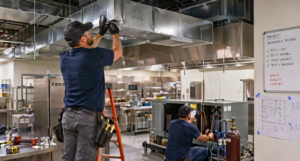
Office Building with Happy Employees Because of a Cool and Comfortable Environment.

Let’s face it, running a business is already a circus without your HVAC system deciding to join in as the star clown. Predictive diagnostics takes that chaos and turns it into a well-rehearsed act. For starters, no more scrambling to find a commercial HVAC service company to fix surprise breakdowns while your staff debates whether to grab blankets or ice packs. Predictive AI keeps things running so smoothly you’ll almost forget your commercial heating and air conditioning system exists, until it’s time to brag about those lower energy bills, of course.

And speaking of money, here’s the kicker: predictive diagnostics isn’t just about avoiding catastrophes; it’s about saving cash. Emergency heating repairs? Slashed. Premature part replacements? Not happening. You’re no longer throwing money into a bottomless pit of “what ifs.” Instead, you’re reinvesting those savings into things that actually matter, like making sure the coffee machine stays stocked with premium beans.

But the real MVP moment? The efficiency boost. Your heating and cooling system isn’t just limping along, it’s thriving, doing its job without guzzling energy like it’s prepping for a marathon. Lower operational and commercial HVAC service costs and happier employees who don’t have to work in conditions that resemble a tropical rainforest? It’s the dream combo you didn’t know you needed.

Predictive diagnostics lets you sidestep the stress and focus on more important things, like pretending to enjoy those team building exercises.

Integration with IoT-Enabled Smart Buildings

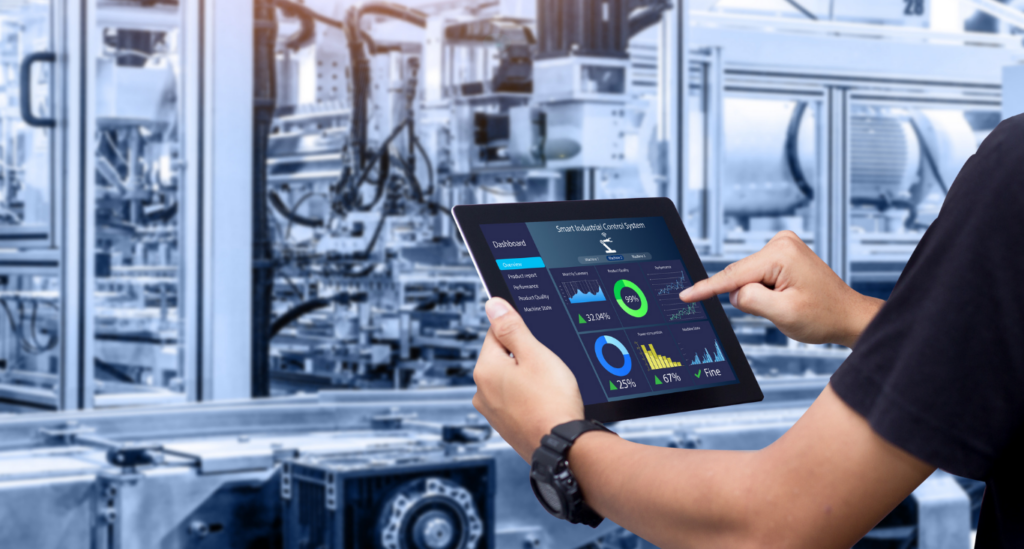
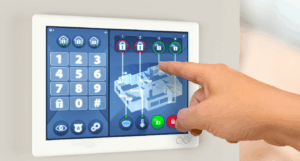
IoT-Enabled Smart Building.

So, you’ve got an IoT-enabled smart building, fancy! Now let’s add predictive diagnostics into the mix and watch the magic happen. Imagine your HVAC system having a group chat with other building systems, where everyone’s sharing updates and working together to keep things running smoothly. Lights, security systems, thermostats, they’re all in on it, making your building operate like it’s got its life together (unlike most of us before coffee).

With predictive diagnostics plugged into your smart building setup, your HVAC system isn’t just surviving; it’s thriving. It’s sending real time performance updates, syncing with other systems, and optimizing energy usage without you lifting a finger. And don’t worry, this isn’t one of those “too many cooks in the kitchen” situations. Everything is streamlined and coordinated to perfection, like the ultimate commercial HVAC service tech powered symphony.

Best part? You don’t need a PhD in engineering to get it up and running. The integration process is surprisingly painless, kind of like upgrading your phone without having to deal with the horror of lost contacts. Plus, once it’s in place, your HVAC system becomes part of this ultra efficient ecosystem, making your building smarter, greener, and way cooler (literally and figuratively). Who knew technology could work so hard while you just sit back and reap the benefits?

Case Studies and Success Stories

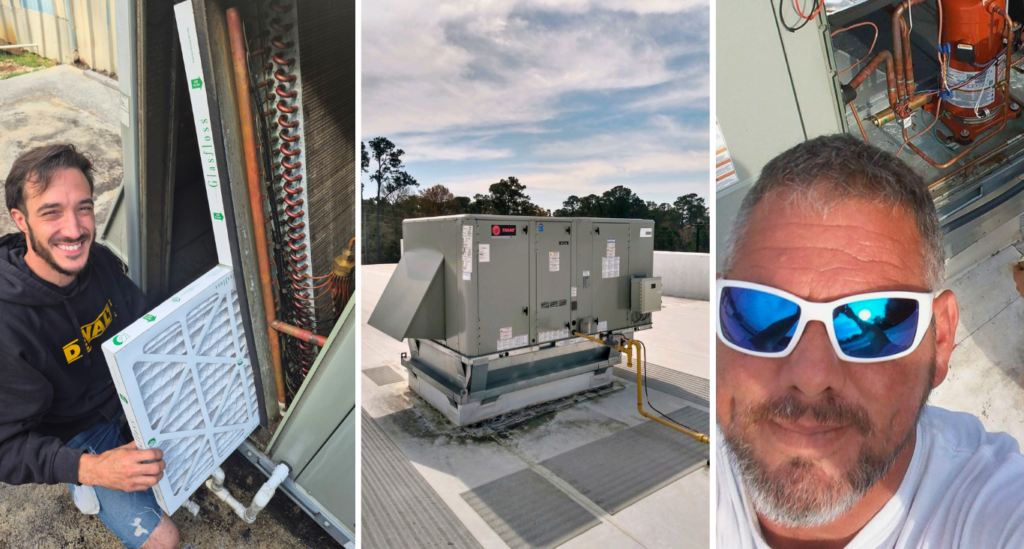
Commercial HVAC Contractor and Owner of ECSi in Wilmington, NC Mike Akers.

Picture this: an office building in Texas was practically drowning in commercial HVAC service and maintenance costs. Breakdowns were so frequent, the commercial HVAC repair company should’ve just set up shop in the lobby. Enter predictive diagnostics. With its data driven wizardry, this building slashed maintenance costs by 30% and cut downtime by 40%. That’s not a typo, 40%. Suddenly, the repair crew had to find a new hangout spot.

But wait, there’s more. A hospital in Florida, a place where “Oops, the commercial AC unit is out” isn’t exactly an option, jumped on the predictive diagnostics train and hasn’t looked back. Not only did they keep their HVAC system running like a dream, but they also dodged countless emergencies. And let’s be real, hospitals have enough drama without adding sweating patients and cranky doctors to the mix.

Then there’s a retail giant that upgraded their commercial HVAC service game and saw their energy costs plummet faster than holiday sale prices. They didn’t just avoid expensive air conditioning repairs; they turned their HVAC system into a money saving machine. All this while keeping their stores comfortable enough that customers weren’t sprinting out the door.

So yeah, whether it’s office spaces, hospitals, or massive retailers, predictive diagnostics is pulling off small miracles every day. It’s like the secret weapon everyone wishes they had, except now, you actually can.

Future of HVAC Services with AI

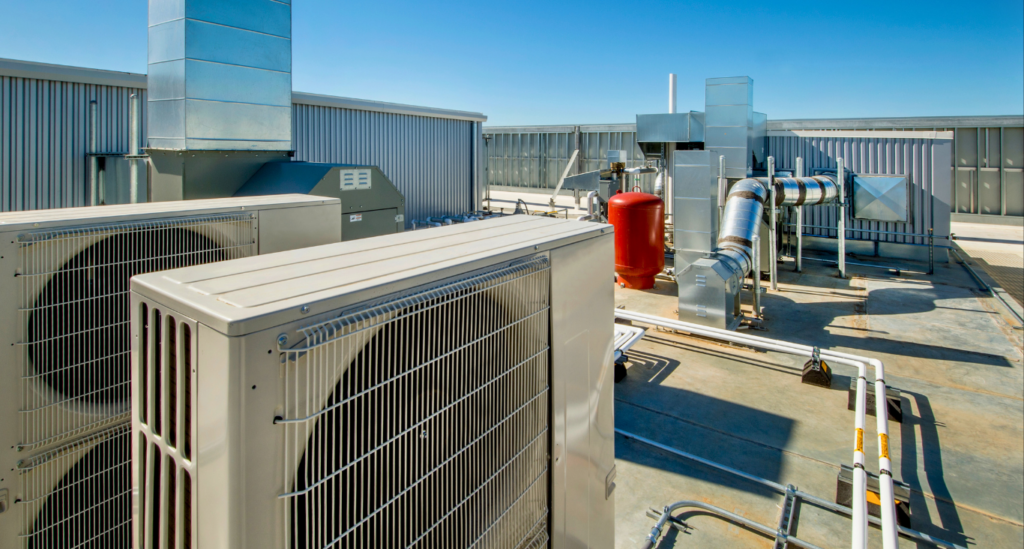
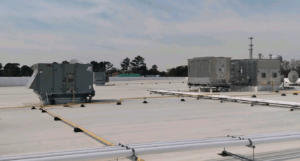
Commercial HVAC system with AI Integration.

The future of commercial HVAC service with AI? It’s like giving your system a crystal ball and a master’s degree in efficiency. We’re heading toward a world where HVAC systems don’t just sit there waiting for something to break, they’re actively learning, adapting, and taking charge. Think smarter algorithms that can not only predict when a part is about to throw in the towel but also optimize the entire system on the fly. It’s like your heating and air conditioning system is getting its act together and finally adulting.

And here’s where it gets really wild: self-repairing systems. Yep, imagine an heating and cooling unit that detects a minor hiccup and fixes itself faster than you can call a commercial HVAC service technician. No drama, no sweat (literally), just seamless performance. It’s like having a live in-house HVAC installation and repair tech, minus the awkward small talk.

Even better, AI isn’t just solving problems; it’s looking ahead and saying, “Hey, maybe we can make this whole operation smarter.” Picture systems communicating with other tech in your building to create the ultimate energy efficient commercial HVAC service power squad. Your HVAC system isn’t just cooling the room; it’s leading the charge in a tech revolution.

So, the future? It’s not just AI making heating and cooling smarter, it’s AI making life easier. And let’s be real, who doesn’t want that?

Conclusion and Next Steps

Alright, here’s the deal: predictive diagnostics isn’t just some fancy buzzword, it’s the ultimate cheat code for keeping your HVAC system in check. No more playing the waiting game while your system decides when to throw a fit. Instead, you’ve got a proactive, data driven approach that’s basically your commercial HVAC service whisperer, telling you what’s up before chaos ensues.

And let’s not forget the perks: fewer emergency repairs, lower energy costs, and an HVAC system that doesn’t feel like it’s out to ruin your day. It’s like upgrading from a clunky old flip phone to the latest smartphone, once you make the switch, you’ll wonder how you ever managed without it.

So, here’s your next move. Take the leap into the world of AI-powered HVAC solutions. It’s not rocket science, and you don’t need a degree in tech to make it happen. Whether you’re running an office, managing a hospital, or overseeing a retail empire, predictive diagnostics is here to make your life easier and your building smarter.

Bottom line? It’s time to stop crossing your fingers and start taking control. Make the call, explore your options, and let AI transform the way your HVAC system works. Your future self, and your budget, thank you.

For more information and commercial HVAC service tips, be sure to read our following related articles. Also, don’t forget to check out our most asked questions with answers about predictive AI Diagnostics for commercial HVAC Systems below. 

Related Articles

What Are the Benefits of Integration with IoT-Enabled Smart Buildings?

IoT devices play a crucial role in gathering detailed, real-time data from HVAC systems, which predictive AI tools use to generate actionable insights. This constant data flow allows for more precise monitoring of system performance, helping to detect inefficiencies or potential issues early. However, ensuring compatibility between various IoT devices and existing systems can require careful planning. Prioritizing solutions that follow standardized communication protocols can ease integration efforts.

Additionally, safeguarding the collected data is essential, as vulnerabilities in connected devices can pose security risks. Implementing strong encryption methods and regular system updates can help mitigate these concerns. By addressing these key areas, predictive AI and IoT technologies can work together to create smarter, more efficient building systems that respond to changing conditions in real time.

Selecting the ideal predictive AI solution involves focusing on features that align with your system’s needs. Look for tools that provide clear insights, are easy to navigate, and include robust support to address any challenges. Compatibility with your current setup is crucial to ensure smooth integration, and solutions adhering to established standards often simplify this process. Prioritize systems with proven reliability and flexibility to adapt as your building’s needs evolve.

Security is another key factor, choosing a solution with strong protection measures safeguards your data and connected devices. Additionally, evaluate the provider’s track record and reputation to ensure long term confidence in your investment. By considering these elements, you can find a solution that enhances efficiency and reliability.

Predictive AI diagnostics help businesses optimize HVAC performance while cutting unnecessary expenses. By addressing issues early, companies can avoid costly heating and cooling repairs and minimize downtime. This proactive approach also reduces energy consumption, leading to noticeable savings on utility bills.

Enhanced system efficiency decreases wear and tear on equipment, promoting longevity and ensuring consistent operation. Additionally, maintaining an efficient HVAC system supports a comfortable and stable environment, which is essential for productivity and customer satisfaction.

Predictive diagnostics rely on consistent data input, such as temperature readings, humidity levels, and equipment performance metrics, to identify potential concerns. The accuracy of AI-generated insights depends on both the quality and quantity of the collected data. With regular updates, the system adapts and improves its predictions over time.

Many solutions are designed to integrate seamlessly with existing infrastructure, making it easier to adopt these tools without significant disruptions. Additionally, business owners often wonder about the implementation process, which typically involves configuring sensors and connecting them to the system for real time data analysis. While predictive AI diagnostics can handle a variety of system types, verifying compatibility with specific HVAC setups is an important step for effective results.

Related Articles

Scroll to Top