Open Kitchen Noise Hacks You Didn’t Know You Needed
Rick Moore
ECSi Team Member
Date Published: 6/3/2026
Table of Contents
Introduction to Noise Challenges in Open Kitchens
Oh, the open kitchen, where your dinner gets the red-carpet treatment, and every chop, sizzle, and flambé is on full display. It’s like dinner theater, except the actors are chefs, and the soundtrack is a mashup of blender blasts and exhaust fan solos. Sure, it’s cool to see your food being created in real time, but let’s not pretend it’s all rainbows and perfectly plated risotto. Because while your meal might be a five-star experience, the noise? It’s giving one-star Yelp review energy.
Fans whirring louder than your Aunt Carol’s vacuum, clattering pans that could wake the neighbors, and those mystery hums that make you question whether the kitchen is preparing food or revving up for a drag race. It’s chaos, glorious, delicious chaos, but chaos, nonetheless. And for the people who actually have to work in it? Let’s just say it’s less “fun ambiance” and more “please pass the earplugs.”
The thing is that open kitchens weren’t really designed with soundproofing in mind. They’re designed to be the ultimate flex, where chefs can show off their skills, and diners can nod approvingly like they’re judges on some cooking competition. Noise reduction? That’s usually an afterthought, kind of like the parsley garnish no one asked for. But when the sounds start competing with the conversation at the table, it’s time to do something about it. Because nothing says “fine dining” like not having to yell, “WHAT DID YOU ORDER AGAIN?” across the table.
Understanding Insulated Ductwork
Picture this: your kitchen ducts are basically the chatty coworkers of the ventilation world. They’re loud, they’re everywhere, and they can’t seem to take the hint to tone it down. Enter insulated ductwork, the introvert of noise solutions, quiet, effective, and not interested in making a scene. Think of it as slipping a pair of noise canceling headphones onto your HVAC system. Suddenly, all that whooshing and clanging gets dialed down to a gentle hum, and everyone can breathe (and hear) a little easier.
What’s the secret sauce? It’s all about the materials. Fiberglass, foam, and other sound dampening heroes line the ducts, keeping the racket from bouncing around like it’s auditioning for a percussion solo. Some materials are thicker, some are more flexible, and some just scream, “I’m here to fix your life.” The real trick is finding the right fit for your kitchen’s needs, because no two chaotic open kitchens are exactly alike.
And while wrapping your ducts in insulation might sound like the kind of task you’d rather leave to a professional HVAC installation company (and trust us, you should), it’s worth it. Not just for the sake of your eardrums, but for the sanity of your kitchen crew. Who knew that taming the noise could start with something as simple as giving your ducts a muffler? Well, now you do.
Benefits of Vibration Dampening Fan Mounts
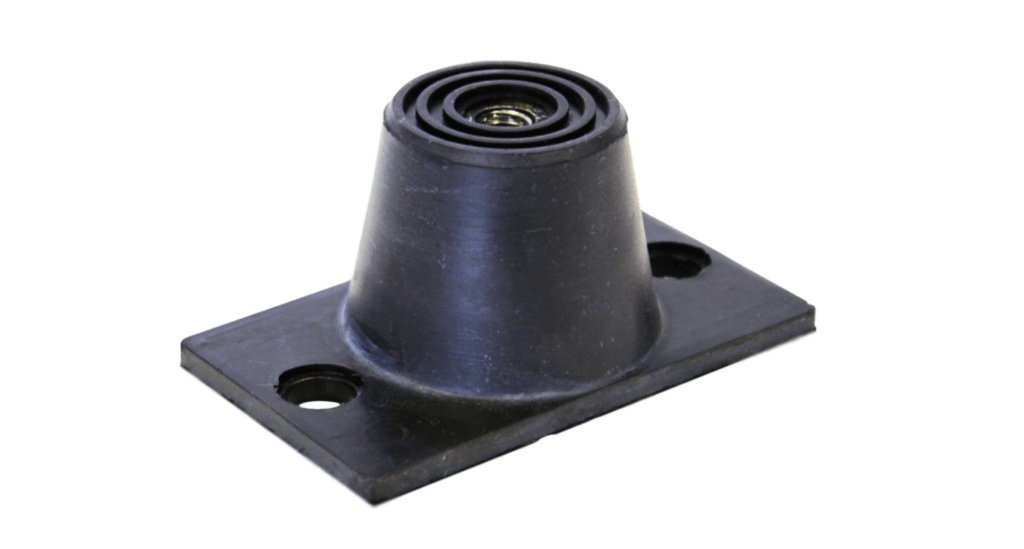
Let’s talk about kitchen fans, the unsung heroes of air circulation and also the number one suspects when it comes to noise that makes you question your life choices. The problem? These fans tend to vibrate like they’ve had one too many espressos, and every shake turns into a sound wave that can rattle your entire kitchen. That’s where vibration dampening fan mounts come in, swooping in to save the day like the noise reduction equivalent of bubble wrap.
These mounts are designed to absorb all that unnecessary wiggling, so instead of your fans having a full-blown meltdown, they stay chill and, most importantly, quiet. Think of it as giving your fans a stress ball. Sure, they’re still doing their job, but now they’re not throwing a tantrum about it. Whether your open kitchen fans are mounted on the ceiling, wall, or wherever else they’ve decided to make a scene, there’s a specific type of dampening mount to suit the situation. Some are made from rubber, some from spring loaded materials, and all of them are basically saying, “Calm down, buddy. We’ve got this.”
The beauty of these mounts isn’t just the noise reduction, it’s how much less stressful your kitchen becomes. You no longer have to decipher what your colleague just shouted over the fan’s vibrating symphony. Instead, you can actually focus on, you know, cooking. Bonus points: fewer vibrations also mean less wear and tear on the fans themselves, so you’re not just saving your ears, you’re saving your budget from costly HVAC repairs down the line.
Role of External Motors in Noise Control
Motors in your open kitchen are like that one coworker who insists on having loud personal phone calls at their desk, unnecessary, distracting, and impossible to ignore. The solution? Give them some personal space, literally. By moving those motors outside, you’re effectively telling them to go be noisy somewhere else. It’s like sending the loudest person at a party to the backyard so the rest of you can enjoy a normal conversation indoors. Problem solved, right?
Now, relocating motors isn’t as simple as dragging them out the door with a “good riddance” sign taped to them. There’s some planning involved, like making sure they’re still easy to reach for routine maintenance and checking they don’t turn your outdoor space into a soundstage for their motorized opera. But when done right, external motors take a significant chunk of noise out of your kitchen equation.
And here’s the best part: the kitchen team gets to enjoy a little peace while the motors are off in the distance, humming away in their own private concert. It’s a win-win. Plus, by relocating these noise machines, you’re not just reducing sound; you’re also cutting down on heat generated by all that motor activity. Quieter, cooler, and less chaotic? It’s almost too good to be true, but your ears (and your kitchen staff) will thank you for it.
Combining Technologies for Optimal Results
Let’s be real, dealing with kitchen noise is like playing whack a mole. You fix one problem, and another one pops up to remind you that peace and quiet is a pipe dream. But what if you could actually team up these noise busting solutions? That’s right, it’s time to assemble the Avengers of sound control and let insulated ductwork, vibration dampening fan mounts, and external motors join forces. Together, they’re the dream team your open kitchen never knew it needed.
Picture this: your fans are no longer breakdancing on their mounts, your ductwork isn’t auditioning for a heavy metal band, and your motors have been exiled to a far-off land where their humming can’t ruin anyone’s day. Instead, all the tech is working in perfect harmony, like a well-rehearsed orchestra. The result? A kitchen where the noise doesn’t make you want to set up shop in a sensory deprivation tank.
And while each of these technologies does its own thing individually, their combined impact is where the magic happens. For example, those insulated ducts might be a pro at muffling sound, but pair them with vibration dampening fan mounts and suddenly, your heating and cooling system goes from a chaotic DJ set to elevator music levels of chill. Toss in external motors, and now the most raucous noise your kitchen might hear is the occasional chef yelling “Behind!”
The best part? You don’t have to be a scientist to figure out this combo. Start with the areas causing the most drama, whether it’s the ducts, the fans, or the motors, and build from there. Like layering nachos, but instead of cheese and guac, you’re adding materials that make your kitchen less of a noisy mess.
Conclusion: Enhancing the Open Kitchen Experience
Let’s face it, open kitchens are a double-edged sword. On one hand, they’re a front row seat to culinary magic; on the other, they’re a free ticket to the Noise Olympics. But with the right tools in your arsenal, you can turn the chaos down to a manageable simmer. Instead of letting your ducts, fans, and motors form a garage band, you can orchestrate a quieter, more functional space that doesn’t feel like a live audition for the loudest kitchen award.
The beauty of tackling noise is that it’s not about perfection (because let’s be real, kitchens are never going to be silent sanctuaries). It’s about taking the edge off softening those loud clatters and hums, so your space feels less like a concert and more like a comfortable place to cook, dine, and maybe even chat without shouting. Whether it’s upgrading to vibration dampening fan mounts, insulating those diva ducts, or giving motors a little “you’re better off outside” moment, every tweak makes a difference.
The best part? When the noise takes a backseat, the real stars of the show, your food, your team, and your customers, can finally shine. Sure, it might take some time and effort, but isn’t a little peace and quiet worth it? Plus, your ears (and your staff) will thank you later. So go ahead, invest in a less chaotic kitchen. You deserve it
For more information on commercial kitchens and restaurant exhaust hoods and how a local air conditioning repair or heating repair company could be your new best friend, be sure to read our following related articles. Also, don’t forget to checkout our most asked questions with answers about open restaurant kitchens and how to reduce the noise in them below.
FAQs
What is The Purpose of an Open Kitchen in a Restaurant?
Open kitchens provide a unique way for restaurants to showcase their culinary process. By blending the kitchen and dining spaces, diners get a front row seat to the preparation of their meals. This design promotes transparency and allows guests to appreciate the skill and care that goes into each dish.
Beyond the visual appeal, open kitchens create a more interactive and welcoming environment. Diners can feel more connected to their meals and the team behind them, adding a personal touch to the overall experience. For chefs, it’s an opportunity to demonstrate their craft and engage directly with patrons, making the kitchen an integral part of the restaurant’s identity.
What are Some Noise Concerns in an Open Kitchen?
Exhaust hoods play a vital role in maintaining a safe and comfortable environment in open kitchens by removing smoke, steam, and odors. However, the sound they generate can sometimes interfere with the ambiance of a restaurant. Factors such as the power of the motor, ventilation system design, and material quality all influence the noise level.
Larger or more powerful hoods typically produce louder sounds, which can become a challenge in quieter dining spaces. Additionally, improper restaurant exhaust hood installation or lack of maintenance can increase noise. To address these concerns, it’s important to carefully consider the type of exhaust hood used and how it is integrated into the overall design, as this can significantly impact both functionality and noise control.
What are Some Solutions to Minimize Noise?
Modern exhaust systems are designed with noise reduction in mind, utilizing advanced technologies to operate more quietly. Installing these exhaust hood systems with precision is essential to avoid unnecessary sound. Choosing high quality materials and ensuring regular maintenance can also prevent issues that may increase noise levels.
Incorporating sound absorbing panels or other acoustic materials into the kitchen design helps reduce the spread of sound. Strategic placement of equipment further minimizes disruption, ensuring that noise does not overwhelm the dining atmosphere. By taking these steps, restaurants can effectively address the challenge of noise while maintaining the open kitchen’s inviting and interactive appeal.
What are Some Future Trends in Open Kitchen Designs?
Open kitchen designs are evolving with a focus on quieter operations and eco-friendly innovations. Advances in exhaust technology aim to further minimize noise, creating a more comfortable dining atmosphere. Sustainability is also gaining attention, with energy efficient systems and environmentally conscious materials becoming more common. Designers are exploring creative ways to blend functionality with aesthetics, ensuring a seamless integration of the kitchen into the dining space. These trends highlight the ongoing effort to enhance both practicality and guest experience in open kitchens.