Industrial HVAC Systems: Now Smarter Than Your Smartwatch
Rick Moore
ECSi Team Member
Date Published: 3/23/2026
Table of Contents
Understanding Industrial IoT for HVAC
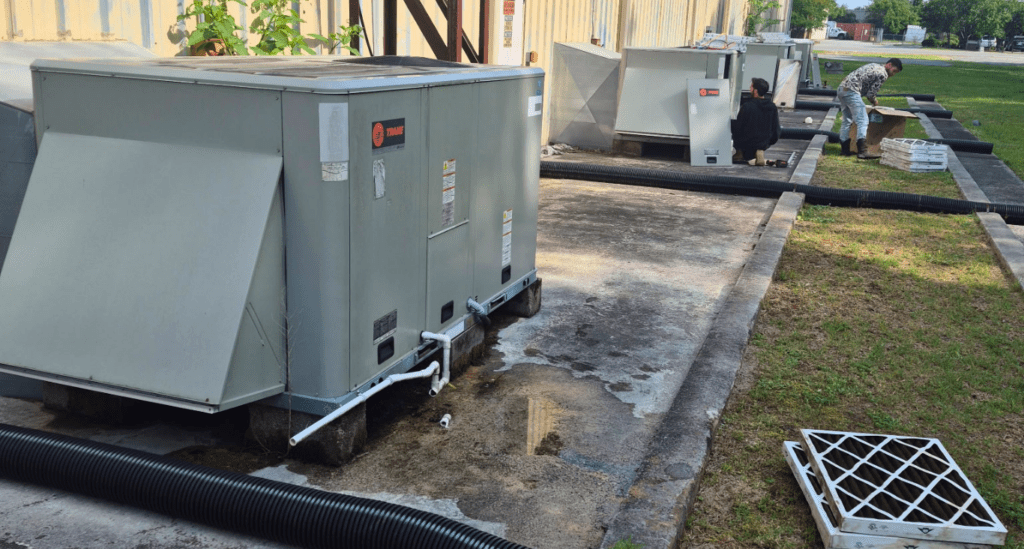
Industrial IoT for HVAC is like giving your old industrial heating and cooling system a tech savvy makeover, think less clunky metal box, more cutting-edge innovation. Thanks to IIoT, HVAC systems now come with sensors and smart controllers that make temperature adjustments feel more like magic tricks than mechanical tasks. Suddenly, your heating and cooling setup isn’t just functional; it’s borderline genius.
These industrial HVAC systems are basically the overachievers of the building world. They monitor conditions, collect data, and optimize performance, all while you’re busy pretending to know what “load balancing” means in meetings. It’s like having an assistant who works 24/7 but doesn’t complain about overtime.
What makes this tech so fascinating? Well, for starters, it turns your industrial HVAC systems setup into a brainiac that anticipates needs before you even realize them. Temperature drops? It adjusts. Humidity spikes? Consider it handled. It’s not quite a crystal ball, but it’s definitely smarter than anyone who thinks microwaving fish in the office is acceptable behavior.
The best part? These heating and air conditioning systems do all the heavy lifting while you kick back and reap the rewards. With the right setup, your HVAC units won’t just make the air feel nice, it’ll run efficiently enough to make you feel like you’ve unlocked some secret life hack. Suddenly, having “smart” in the name doesn’t feel like an overstatement; it feels like an understatement.
Remote Monitoring and Control
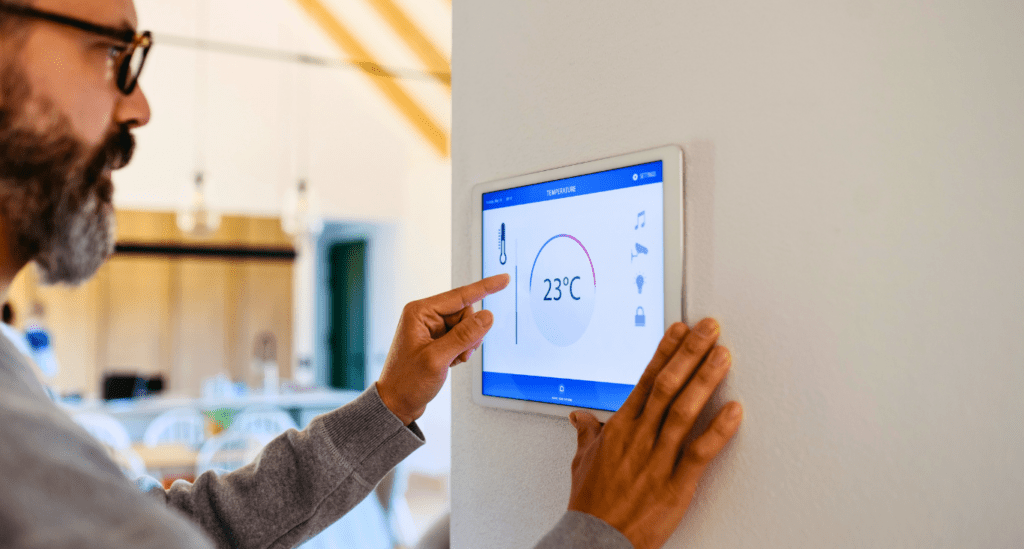
Picture this: you’re lounging with your favorite overpriced latte when suddenly, you remember that your industrial HVAC systems might be working harder than you on a Monday morning. Enter IIoT sensors, the unsung heroes that let you keep tabs on your heating and air system from, well, anywhere. With real time monitoring, you’ll know exactly what’s happening with your industrial heating and cooling systems, whether it’s a slight temperature blip or humidity playing diva. And yes, you can handle it all from your phone, because who has time to run around pressing buttons like it’s 1985?
But wait, there’s more! Remote control means you’re not just a spectator; you’re in charge. No more sprinting through the building like it’s a cardio session just to fix the temperature in the conference room. Now, it’s as easy as tapping a screen. Suddenly, those settings you used to ignore become your new best friend, helping you dial down energy use without breaking a sweat, or a budget.
And let’s be honest, who doesn’t want the power to adjust climate settings from their couch, the airport, or even the beach? With IIoT, your industrial HVAC systems are basically the most dependable team member you’ve ever had. It shows up, works nonstop, and doesn’t demand pizza on Fridays. Remote monitoring and control might not give you the thrill of skydiving, but hey, at least it’s predictable, and predictability, my friend, is highly underrated when it comes to keeping a building comfortable and your wallet intact.
Energy Optimization
Energy optimization is where industrial HVAC systems show off their A-game. Think of it as turning your system into an overachiever that’s obsessed with efficiency. These smart HVAC systems aren’t just keeping the air comfy; they’re secretly plotting to save you money. Using tricks like demand response and energy recovery, they’re cutting down waste faster than you can say “another rate hike?!”
Here’s the deal: these industrial HVAC systems don’t just run, they strategize. They know when to scale back and when to kick it up a notch, all while keeping your space just right. It’s like having a personal trainer for your heating and cooling unit, but instead of yelling at you to do more burpees, it’s fine-tuning energy use to make sure your bills don’t look like your holiday credit card statement.
And let’s not forget the “aha!” moments businesses have had with these setups. One facility slashed energy cost by 30%, which is impressive enough to make you want to give your HVAC units a high five. Well, if they had hands. Think of every dollar saved as one less excuse to hold another budget meeting. Honestly, isn’t that motivation enough?
Enhanced Comfort Control
Comfort is about more than just setting the thermostat to “not freezing” or “not boiling.” It’s about achieving that Goldilocks zone where everyone in the building isn’t glaring at each other over the temperature. Smart controllers take the guesswork out of the equation, balancing things perfectly so your space feels just right without someone sneaking over to adjust the settings.
Here’s the fun part, these systems don’t just react to changes; they plan ahead, like that one over prepared coworker who always has a backup charger. They monitor conditions, tweak airflow, and adjust settings faster than you can ask, “Is it hot in here or is it just me?” And yes, they do it all without anyone having to argue over degrees.
But it’s not just about comfort for comfort’s sake. A well-controlled climate is basically productivity fuel. Too hot? Everyone’s sluggish. Too cold? Suddenly, people are bundled in blankets instead of, you know, working. When the temperature is just right, folks stay focused, comfortable, and way less likely to passive, aggressively email about the thermostat.
And let’s not overlook the perks for your wallet. Smart comfort control doesn’t just keep the building cozy; it helps prevent energy waste by keeping things efficient. No more blasting the AC like it’s a July heatwave when half the team is out for lunch. These industrial HVAC systems think ahead, so you don’t have to, and that’s a win for everyone involved.
So, whether you’re running an office or a warehouse, smart comfort control makes it possible to ditch the complaints and keep everyone breathing easy. After all, the only thing people should be debating is where to order lunch, not whether it’s “too drafty” in conference room B.
Communication Protocols: BACnet/IP and Modbus
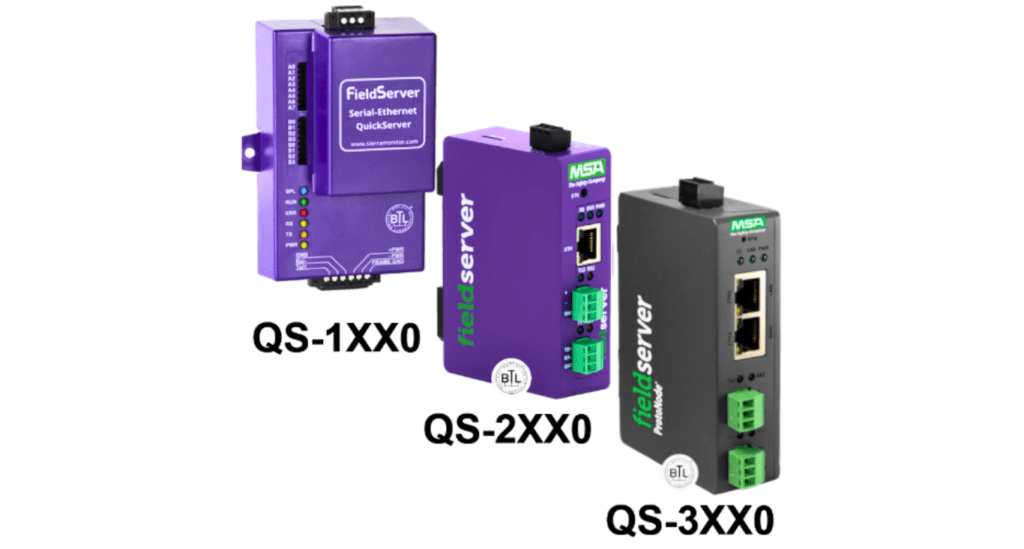
When it comes to HVAC communication protocols, BACnet/IP and Modbus are the MVPs, quietly keeping your industrial HVAC systems running like a well-oiled machine, or, in this case, a well-chilled or well-heated one. These protocols are the backstage crew making sure all your devices play nice with each other, without any passive aggressive network drama.
Think of BACnet/IP as the social butterfly of the bunch. It thrives in larger setups, connecting a gazillion devices and managing them like the best local HVAC company. It’s like that one friend who organizes group trips, keeps everyone on schedule, and somehow makes it look effortless. Modbus, on the other hand, is the chill introvert who doesn’t need the spotlight but absolutely crushes it in smaller, simpler setups. It’s reliable, no nonsense, and gets the job done without fuss.
Here’s the kicker: they each have their own vibe, so picking between them isn’t a one size fits all deal. BACnet/IP is your go to if you’ve got a complex network of devices that need to chat constantly, like coworkers who CC everyone on every email. Modbus, though, is perfect for streamlined operations where things don’t need to overcomplicate, kind of like using sticky notes instead of a 500-tab spreadsheet.
And yes, they both have quirks, but once you figure out what works best for your setup, you’re golden. Whether your commercial heating and cooling system is managing a bustling skyscraper or just making sure the warehouse isn’t doubling as a meat locker, these protocols have you covered. It’s all about finding the right fit, because the last thing you need is an HVAC system that can’t even agree on how to turn the fan on.
Challenges in Integration
Let’s be real, getting IoT integrated into industrial HVAC systems isn’t exactly like setting up a new phone. It’s more like trying to assemble furniture without the instructions, while your Wi-Fi keeps cutting out. For starters, not every system is going to play nice with shiny new tech. Compatibility issues can pop up faster than someone suggesting “team building karaoke,” leaving you with devices that act more like frenemies than teammates.
Then there’s HVAC cybersecurity. Because, of course, what’s a little innovation without the constant worry of hackers trying to turn your HVAC system into their personal playground? It’s the kind of plot twist nobody asked for, but hey, welcome to the digital age.
But don’t throw in the towel just yet, there are ways to dodge the chaos. For one, always vet your heating and cooling repair tech like you’re hiring for your dream team. Not all systems are created equal, and forcing incompatible devices to work together is a recipe for frustration, and possibly a meltdown (literal or figurative, your pick).
And those cybersecurity concerns? Think of them as a reminder to lock the doors before going to bed. Strong firewalls, encryption, and regular software updates are your new best friends. Sure, it’s not as fun as binge, watching your favorite show, but neither is explaining how your commercial HVAC system got hacked to crank the heat to 90.
Of course, it helps to work with a team that actually knows their stuff. Whether it’s choosing the right communication protocols or ensuring your system doesn’t turn into a digital soap opera, the right support can save you from a lot of headaches. And maybe, just maybe, you’ll get to spend your time doing something more enjoyable, like literally anything else.
So, yes, integration has its hiccups, but with a little preparation (and maybe a strong cup of coffee), you’ll get there. Just think of it as the price of progress, or at least, the price of not having to deal with old, inefficient systems anymore.

Conclusion
As you can now see, integrating the internet with your industrial HVAC systems has many benefits and can not only make your life much easier, but also save you money! For more information on commercial cooling and heating repair and maintenance, be sure to read our following related articles. Also, don’t forget to checkout our most asked questions with answers regarding Iot and industrial HVAC systems.
FAQs
What is IoT in HVAC Systems?
The Internet of Things (IoT) is transforming how industrial HVAC systems operate, making them smarter and more efficient. By connecting physical devices through the internet, IoT enables these systems to gather and exchange real time data. This connectivity allows for better monitoring and management of HVAC operations, ensuring optimal performance.
For industrial settings, IoT can automate processes, adjust system settings based on environmental conditions, and reduce energy usage. Through advanced data collection and analysis, IoT is helping facilities address challenges more proactively and efficiently than ever before. Whether it’s improving energy efficiency or enhancing system reliability, IoT is paving the way for a more connected and capable approach to industrial HVAC management.
What Are the Benefits of IoT in Industrial HVAC Systems?
Integrating IoT into industrial HVAC systems offers significant benefits, including enhanced energy efficiency and predictive maintenance. IoT devices monitor energy usage, helping facilities pinpoint inefficiencies and reduce waste. This targeted approach can lead to lower energy costs and a more sustainable operation.
Predictive maintenance leverages real time data to identify potential issues before they escalate, allowing timely HVAC repairs and minimizing disruptions. By improving system reliability and reducing downtime, IoT not only streamlines operations but also extends equipment lifespan. These advancements make IoT a valuable tool for optimizing industrial HVAC performance and ensuring systems operate at peak efficiency.
What Are Some Common IoT Devices Used in HVAC Systems?
IoT devices in industrial HVAC systems include a variety of sensors and connectivity tools. Sensors like temperature, humidity, and air quality collect critical data to ensure the system adapts to changing conditions effectively. Connectivity options such as Wi-Fi, Ethernet, and Zigbee enable seamless communication between devices, ensuring smooth operation. Each device plays a specific role in optimizing performance and energy use, while their integration allows for a more dynamic and responsive system. The choice of devices and connectivity depends on the facility’s needs and infrastructure, helping maintain efficiency and reliability in diverse industrial environments.
What Are Some Challenges of Implementing IoT in HVAC?
Integrating IoT into industrial HVAC systems can present challenges, particularly when working with older equipment that may not support modern technology. Upgrades or modifications are often necessary to ensure compatibility, which can require additional resources and careful planning. Another critical challenge is addressing cybersecurity risks, as increased connectivity can expose systems to potential threats. Protecting data with strong encryption, secure authentication protocols, and consistent monitoring is essential to maintain system integrity. Additionally, staff training may be needed to effectively manage and maintain IoT enabled systems, ensuring smooth implementation and operation across industrial facilities.
What Are the Future Trends in IoT for HVAC Systems?
Emerging trends in IoT for industrial HVAC systems highlight the growing influence of AI and machine learning. These technologies analyze system data to optimize performance, enabling smarter and more precise adjustments. Additionally, improved automation is set to streamline operations further, reducing manual involvement in routine tasks like system monitoring and maintenance scheduling. Enhanced connectivity between IoT devices will also support greater system integration, improving overall efficiency and adaptability. As these advancements continue to develop, IoT enabled HVAC systems will become increasingly capable of meeting the complex demands of industrial environments, providing innovative solutions for energy management and operational reliability.