Demand Control Ventilation to the Rescue: Stop Babysitting Your Exhaust Hood

Picture of Rick Moore

Rick Moore

ECSi Team Member
Date Published: 1/5/2026

Demand Control Ventilation is One of the Best Steps Take for an Energy Efficient Commercial Exhaust Hood.

Table of Contents

Introduction to Demand Control Ventilation

Ever feel like your commercial exhaust hood is that one friend who can’t take a hint? It’s either doing way too much or absolutely nothing when you actually need it. Enter Demand Control Ventilation (DCV), the solution you didn’t know your kitchen drama needed. DCV takes your overachieving exhaust hood and teaches it a thing or two about working smarter, not harder. Think of it as giving your restaurant exhaust hood the ability to read the room—well, more like the heat and smoke levels, but you get the idea.

Here’s the deal: DCV uses sensors and controls to monitor your kitchen’s vibes. When things are heating up—literally—it kicks your exhaust into action. But when the kitchens in chill mode, it tones things down, so you’re not wasting energy or money. Genius, right? It’s like handing your exhaust hood a to-do list and saying, “Stick to this, and maybe we’ll get along for once.”

Sure, you could keep babysitting your restaurant’s exhaust hood and pretending you’re okay with its constant chaos, but why? DCV exists to rescue you from the noise, the wasted electricity, and the general nonsense that comes with traditional exhaust hood systems. Plus, who doesn’t want to save a few bucks while keeping the restaurants kitchen air breathable? Let’s be real: your time and sanity are worth way more than playing referee for your ventilation system.

Understanding Commercial Exhaust Hoods

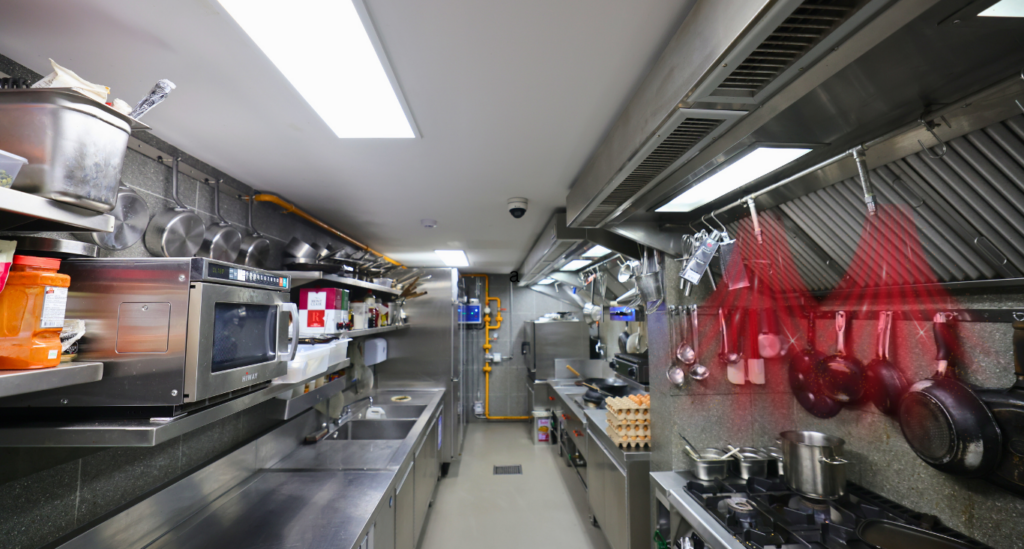
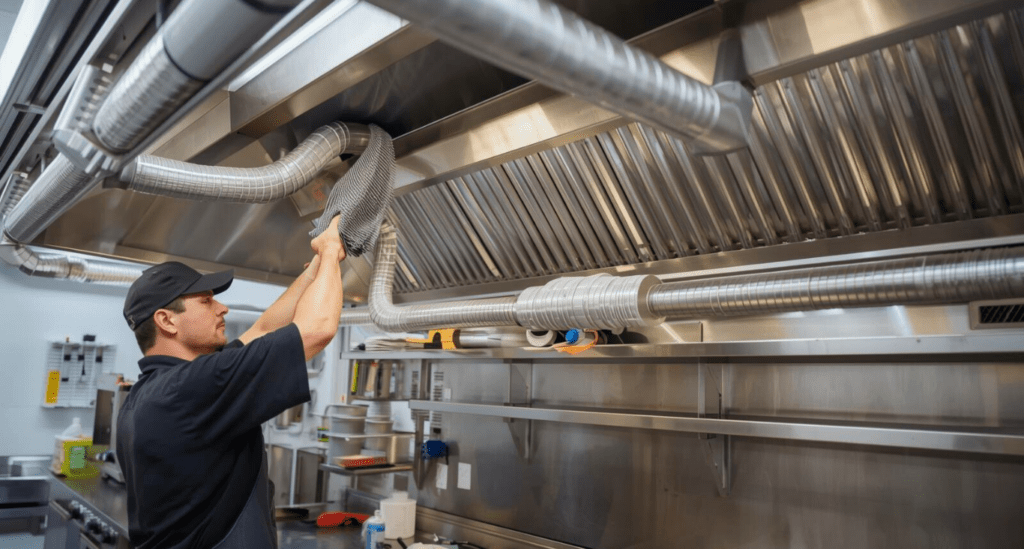
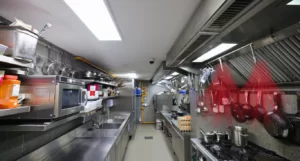
Commercial Kitchen Exhaust Hood.

Commercial exhaust hoods are basically the unsung heroes of the kitchen, quietly (or not so quietly) doing the dirty work. Their job? Suck up all the smoke, grease, and odors so your kitchen doesn’t smell like a barbecue gone wrong. But here’s the kicker: most of them operate with the finesse of a brick. These old-school systems just blast away at full power, all the time, like they’ve got something to prove. It’s as if they think every moment is a five-alarm fire when, honestly, you’re just warming up some soup.

And the noise? Let’s just say it’s not exactly background music. These systems churn away, oblivious to the fact that maybe, just maybe, you don’t need gale-force winds to handle a couple of burgers on the grill. Energy-efficient? Ha! They wouldn’t know efficiency if it hit them over the head with a frying pan. Instead, they run up your utility bills like they’re trying to win a prize for most wasteful appliance.

In short, traditional exhaust hoods are that one kitchen “friend” who’s loud, wasteful, and totally clueless about moderation. They’ve got one speed: overkill. So, unless you enjoy paying extra to keep your kitchen noisy and chaotic, it might be time to give these clunky contraptions a serious upgrade.

How Demand Control Ventilation Works

Think of Demand Control Ventilation (DCV) as the brains your exhaust hood never had. This system isn’t here to play games; it’s here to revolutionize your kitchen’s air game. DCV is packed with sensors that actually pay attention to what’s happening in the kitchen—unlike traditional exhaust systems that are just there for the chaos. These sensors monitor heat and smoke levels like a nosy neighbor, but in a good way. When things start getting toasty, DCV doesn’t panic and hit the overdrive button like a rookie—it ramps up the exhaust with precision.

On the flip side, when your kitchen is as calm as a coffee shop at 6 a.m., DCV knows how to relax. It’s all about adjusting airflow based on what’s actually needed, not what some outdated exhaust system thinks you need. The result? You’re saving energy, lowering your utility bills, and not screaming over the sound of your hood operating like it’s auditioning for a wind tunnel test.

What’s cool is how smooth this system runs—it’s like having the Sherlock Holmes of ventilation, constantly solving the “what’s burning and how much air do we need” mystery without breaking a sweat. It’s sleek, efficient, and honestly, makes you wonder how you survived without it. And no, it doesn’t require you to babysit or have a master’s degree in engineering to understand.

Steps to Automate Exhaust Hoods

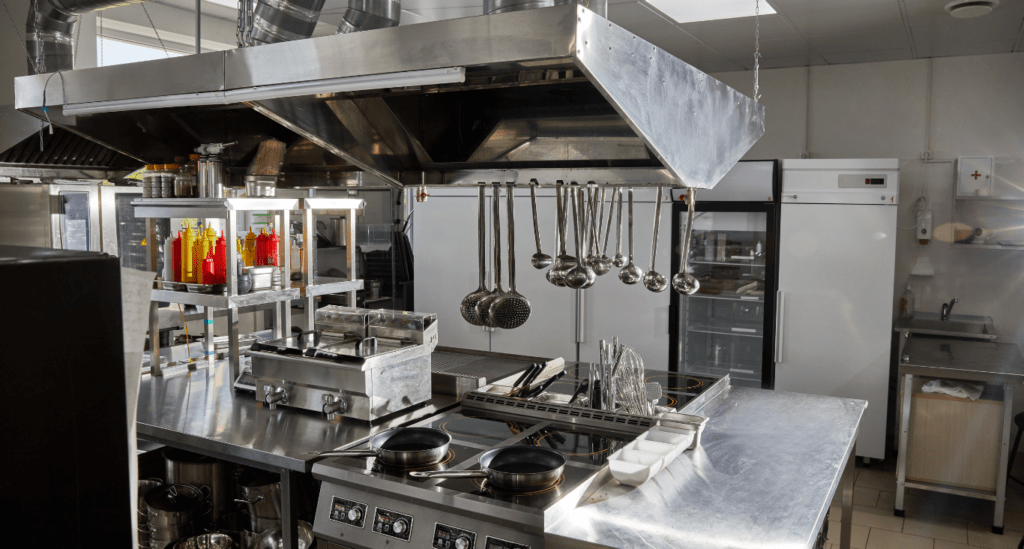
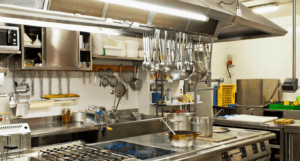
Restaurant Exhaust Hood System.

Ready to make your exhaust hood a genius? Start by assessing your kitchen setup—size, cooking intensity, and those soul-crushing utility bills. Don’t skip this part unless you enjoy installing the wrong system and crying about it later. Next, it’s time to shop for a Demand Control Ventilation system. Spoiler alert: not all systems are winners, so do your homework. Look for one that’s packed with smart sensors and isn’t just there to look pretty. You’re after performance, not a decoration.

Once you’ve picked the DCV of your dreams, call in the pros. No, your cousin with a toolbox doesn’t count unless he’s certified. Professional exhaust hood installation services are non-negotiable unless you want a vent hood that’s more hazard than helper. After installation, it’s all about customization. Adjust the settings so your DCV works like it was made for your kitchen (because, you know, it kind of was). This step is crucial—don’t just set it to default mode and call it a day.

Got all that? Great, because you’re one step closer to a kitchen that runs like a well-oiled machine instead of a chaotic mess.

Installation and Configuration

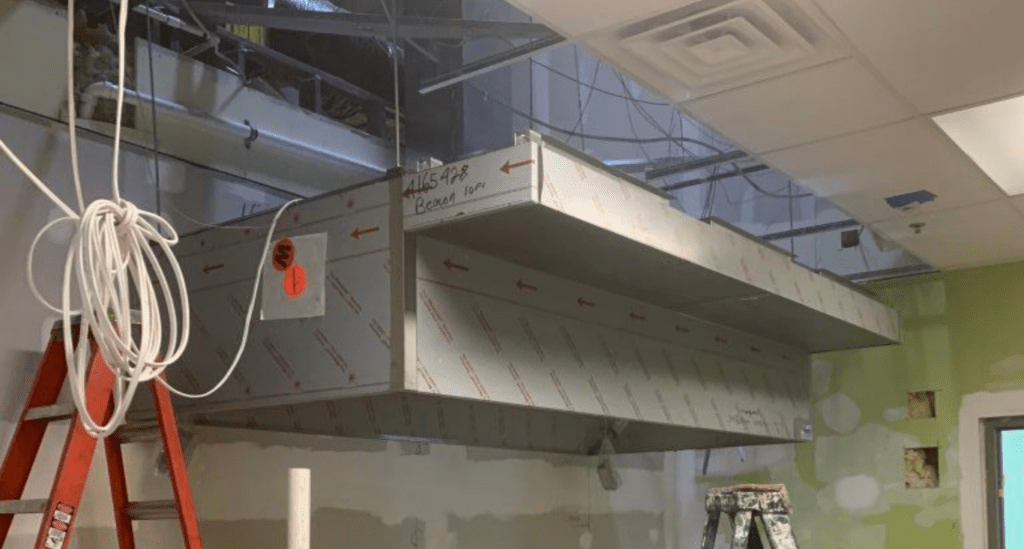
Restaurant Exhaust Hood Installation.

So, you’ve got your shiny new Demand Control Ventilation system and are ready to let it work its magic. But let’s get one thing straight: this isn’t the time to channel your inner DIY hero. Unless you’ve got a certification in “Not Setting Kitchens on Fire,” leave this to the pros. Here is you a little hint on where to look, most local HVAC companies offer commercial exhaust hood services. Seriously, call someone who knows their way around wires, air duct systems, and things that can ruin your day if installed wrong.

Once the exhaust hood or HVAC installation experts have done their thing and your DCV is officially part of your kitchen squad, it’s time to get personal. This isn’t a one-size-fits-all deal—your system needs to match your kitchen’s personality (yes, kitchens have personalities). Whether you’re running a cozy café or a full-on culinary battlefield, your settings should fit your operation like a glove. This is where you channel your inner tech guru and adjust airflow rates, temperature thresholds, and all those other fancy metrics you probably don’t want to think about but absolutely should.

And don’t just skip the setup instructions because “How hard can it be?” Spoiler: it can be pretty hard. Take the time to fine-tune the system. If you’re not sure where to start, consult the manual—yes, the one you immediately tossed aside—and make the system work for you, not against you. Done right, your DCV will feel like a personal assistant, not some overly eager intern who keeps messing up the coffee order.

Maintaining Automated Systems

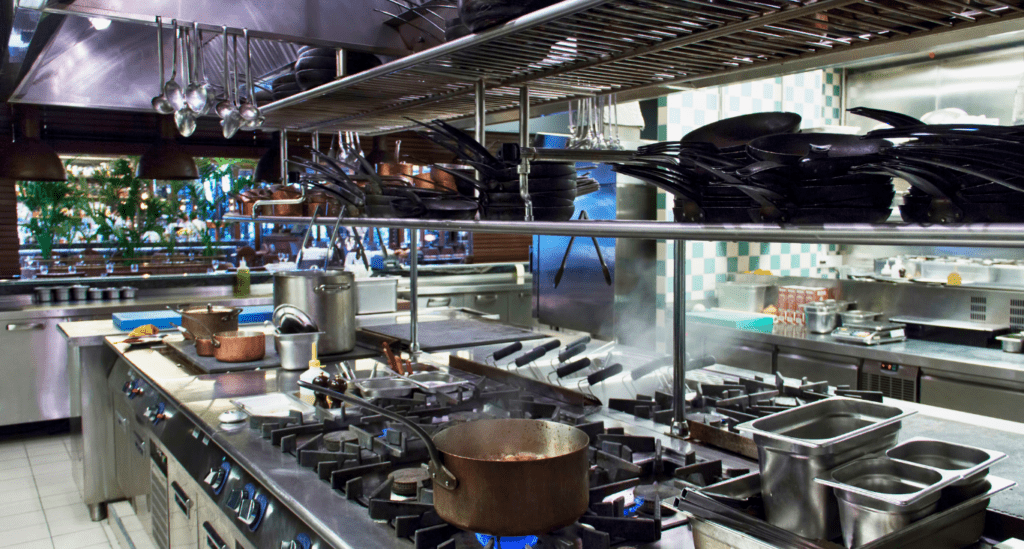
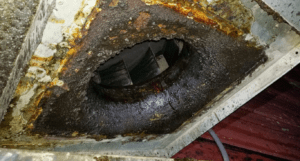
Commercial Kitchen Exhaust Hood Maintenance is Important to Keep Clean Air and a Healthy Kitchen.

So, your Demand Control Ventilation system is finally pulling its weight, but don’t assume you’re off the hook forever. These systems aren’t magical unicorns—they need a bit of TLC to keep running like the rockstars they are. First off, those sensors? Yeah, they’re not self-cleaning. Grease, grime, and who-knows-what-else love to build up on them, and unless you want your DCV guessing wrong about your kitchen’s needs, you’ll need to clean them regularly. Think of it like cleaning your glasses—everything works better when the lens isn’t covered in smudges.

Then there’s the whole “parts eventually wear out” thing. Blowers, filters, and other components need the occasional once-over to make sure they haven’t decided to retire early. Keep an ear out for weird noises or sudden changes in performance, because that’s usually your system’s way of saying, “Help, I’m struggling here!”

And no, ignoring the little blinking lights on the control panel isn’t a maintenance strategy—it’s a recipe for disaster. If something’s flashing, it’s not doing it for fun; check it out before you’re dealing with a full-blown meltdown. When in doubt, call the professionals. Sure, they cost money, but so does a system breakdown in the middle of a dinner rush. Regular maintenance might sound like a chore, but compared to the alternative? It’s basically a day at the spa for your DCV.

Real-World Benefits and Savings

The Benefits of a Demand Control Ventilation Systems is that it is Both Eco-Friendly and will Save You Money.

Let’s get to the good stuff—what’s in it for you. With a Demand Control Ventilation system in place, you’re not just cutting energy bills; you’re practically giving your wallet a hug. Those sensors? They’re working overtime so your exhaust hood doesn’t have to, which means you’re saving cash while reducing your carbon footprint. It’s like being eco-friendly without even trying. Plus, fewer gusty blasts from your hood means less noise, so your kitchen sounds less like an airport and more like a place where people actually want to work.

And here’s a plot twist: your HVAC system will thank you, too. By not overloading it with unnecessary heat or airflow, you’re extending its life and avoiding those dreaded, wallet-draining heating and cooling repairs. Speaking of avoiding disasters, a system running efficiently keeps grease buildup in check, so you’re not auditioning for a surprise kitchen fire. And sure, energy savings are cool, but can we talk about how much nicer it is to breathe when the air isn’t a mix of smoke and regret? Bottom line: DCV is the upgrade your kitchen deserves—and honestly, it’s about time.

Conclusion

As you can now see, by installing a demand control ventilation system in your commercial kitchen, you are not only providing a better working environment for you employees.  You are also reducing the risk of the constant need for air conditioning repair services as well as reducing heating issues in your building.

For more information on commercial and restaurant exhaust hoods, be sure to read our following related articles. Also, don’t forget to checkout our most asked questions and answers about demand control ventilation systems.

FAQs

What Are Demand Control Ventilation Systems?

Demand control ventilation (DCV) systems adjust airflow by using advanced sensors to monitor conditions like air quality and temperature in real time. In commercial kitchens, these systems adapt ventilation levels to match the cooking activity, preventing energy waste and maintaining a healthier environment.

Traditional systems often run at fixed rates, which can result in unnecessary energy consumption or insufficient ventilation. DCV systems, however, respond dynamically to changes in the space, ensuring optimal performance at all times. By incorporating this technology, commercial kitchens can benefit from improved efficiency and a more comfortable workspace. Understanding the core functionality of DCV systems helps in identifying their value for modern kitchen operations and selecting the right system for your needs.

Demand control ventilation systems enhance energy efficiency by tailoring airflow to real-time needs, significantly lowering utility costs. These systems also create a healthier kitchen environment by providing fresh air as needed, minimizing exposure to harmful particles and cooking-related contaminants.

By maintaining proper ventilation levels, they support the well-being of kitchen staff and ensure better air quality. For commercial kitchens, where cooking activity varies throughout the day, this adaptability prevents unnecessary energy use while keeping the air safe and comfortable. In addition, DCV systems reduce the strain on HVAC equipment, potentially extending its lifespan and lowering maintenance expenses. With these advantages, demand control ventilation systems are an essential solution for modern commercial kitchen operations.

Proper installation of a demand control ventilation system requires evaluating your kitchen’s unique requirements, including equipment and layout, to determine the appropriate system. Installation should be performed by professionals to avoid inefficiencies or operational issues. Maintenance involves regular inspections of components like sensors and controls to ensure accurate performance. Filters should be cleaned or replaced as needed to maintain airflow and efficiency. Periodic software updates may also be necessary to optimize system functionality. Working with experienced technicians ensures that the system continues to deliver energy savings and maintains the desired air quality over time.

Demand control ventilation systems may occasionally face issues such as improper sensor calibration or software glitches that impact performance. To address this, regular system checks and timely updates are essential. Another challenge involves integrating the system with older HVAC setups, which can require specialized adapters or modifications.

Ensuring proper training for kitchen staff on system usage can also prevent operational errors. When selecting equipment, it’s important to verify compatibility and choose components designed for high-demand environments. Working with skilled technicians during both installation and maintenance can help minimize disruptions and ensure the system operates as intended.

Ensuring your demand control ventilation system meets local regulations involves understanding specific requirements for commercial kitchens, including ventilation rates and air quality standards. Partnering with knowledgeable contractors simplifies the process, as they can confirm that the system aligns with all applicable codes. Adhering to these regulations not only guarantees legal compliance but also supports the safety and efficiency of the system. Staying informed about updates to codes is essential for maintaining compliance and optimizing long-term performance.

Related Articles

Scroll to Top