HVAC Cybersecurity Reality Check: Is Your System Plotting Against You?

Picture of Rick Moore

Rick Moore

ECSi Team Member
Date Published: 12/2/2025

An HVAC Cybersecurity System is important for Successful Commercial Building Management

Table of Contents

Introduction to HVAC and Cybersecurity

You know, HVAC systems used to just chill out (literally), keeping us warm in the winter and cool in the summer. But now, they’ve decided to upgrade their résumés and join the tech-savvy crowd. Thanks to all this fancy connectivity, your HVAC system isn’t just humming along in the background—it’s online, living its best smart-life. And while that sounds pretty cool (pun intended), it also means your air conditioner could be rubbing virtual elbows with some unsavory characters in cyberspace.

Think about it: your once-innocent HVAC system is now a part of the Internet of Things, where everything is networked, monitored, and, occasionally, under digital attack. Don’t get us wrong, the convenience of controlling your office temperature from your phone while sitting in traffic is fantastic. But with all this connectivity comes a new friend you didn’t ask for: cybersecurity concerns. Yep, turns out even your HVAC system can be a target for digital troublemakers.

Before you start imagining your thermostat in sunglasses hacking into your company files, let’s be clear: HVAC systems aren’t the villains here. The real culprits are the hackers who see these systems as an easy way in. And trust us, nothing says “I had a bad day” like realizing your air conditioner just helped someone steal your data. Welcome to the wild world of connected HVAC systems—where convenience meets chaos, and cybersecurity takes center stage.

The Rise of Connected HVAC Systems

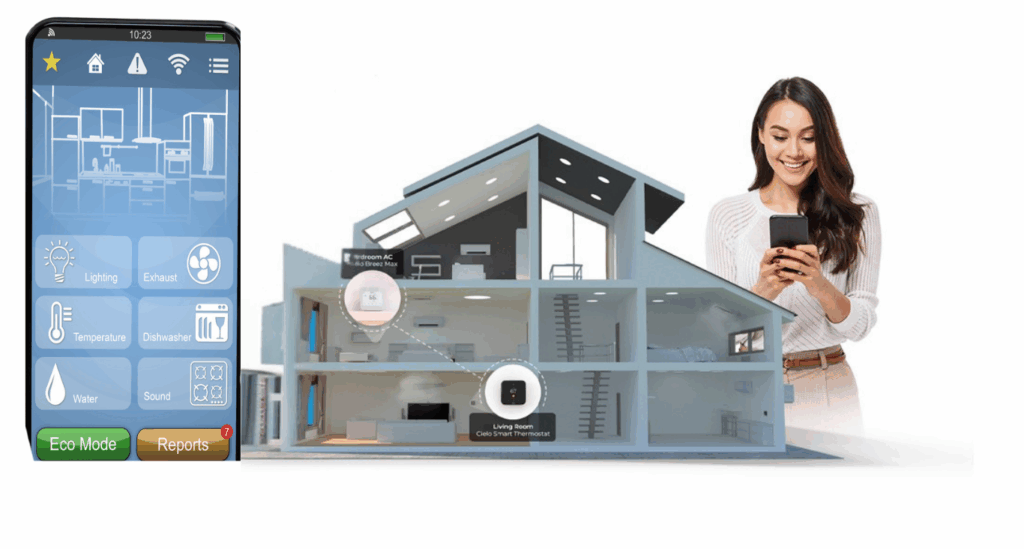
Connected HVAC Systems are convenient because you can control the entire home or officed HVAC system from your mobile phone.

Alright, so once upon a time, HVAC systems just minded their own business, heating and cooling like champs. But now, they’ve got Wi-Fi and an attitude. Thanks to the Internet of Things, your HVAC system is basically the overachiever in the tech world, showing off with features like remote access and self-diagnostics. It’s like your AC went to night school and graduated with honors.

On the plus side, you can now control the office temperature without leaving your desk—or your couch, or wherever you are when you suddenly remember you left the thermostat cranked up. Efficiency? Check. Comfort? Check. But here’s the catch: with all this connectivity, your HVAC system is now one giant “Open for Business” sign to potential hackers. Yes, your air conditioner just became a VIP member of the cyber threat club. Congrats?

It’s not just about your building feeling cozy anymore. Connected HVAC systems can integrate with other building systems, which is fantastic for streamlined management but also makes them a prime target for cyber shenanigans. And let’s be real—if hackers can infiltrate something as mundane as a heating system, they’ll probably pat themselves on the back and call it a day. Meanwhile, you’re left wondering why your thermostat needs a security detail.

Common Cyber Threats to HVAC Systems

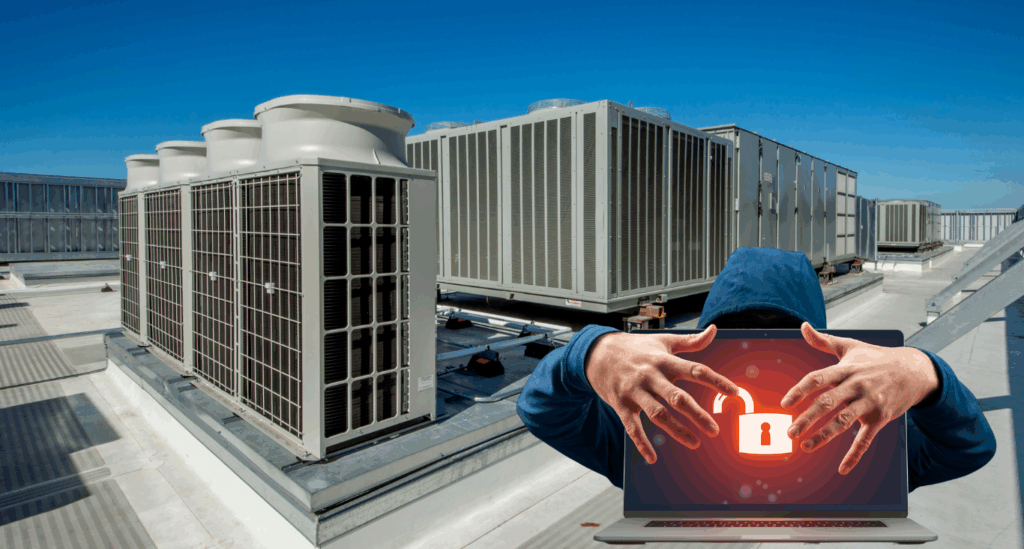
Common HVAC Cyber Threats often Happen without You Even Knowing.

Alright, so your HVAC system isn’t just battling dust and debris—it’s also got some cyber bullies to contend with. These bad actors aren’t here to adjust your thermostat for optimum comfort; they’re more interested in crashing your systems, stealing your data, or holding your building hostage in a virtual chokehold. Ransomware? A favorite. It’s like hackers saying, “Pay up, or we’ll make your office feel like a desert safari.” Data breaches? Yep, they’re digging through your virtual filing cabinet while you’re wondering why the AC suddenly sounds so smug.

And let’s not forget the classics, like someone hacking into your heating and cooling system just because they can. Maybe it’s for practice, maybe it’s for laughs—either way, it’s your building left sweating (or shivering) while they mess around. These attacks aren’t just about making life mildly inconvenient; they can cause serious disruptions. Think locked-out systems, frozen pipes, or overheating machinery that leaves you questioning why you ever trusted connecting your HVAC system online in the first place.

And here’s the kicker—once hackers are in through your HVAC system, they’ve got a backstage pass to the rest of your network. It’s like leaving the back door wide open while you brag about your high-tech front door lock. So, while your heating and air conditioning system might look sleek and efficient on the surface, the digital world lurking behind it isn’t exactly a friendly neighborhood. Keep that in mind the next time you adjust the thermostat with your phone.

Best Practices for Securing HVAC Systems

Alright, let’s talk about turning your HVAC system into the Fort Knox of climate control. First off, if your passwords are so basic they could star in a beginner’s guide to hacking, it’s time to step it up. No more “password123” nonsense—go for something strong, unique, and, dare we say, mildly annoying to type out. Your future self will thank you.

Next, don’t let your HVAC system run on software that looks like it hasn’t seen an update since flip phones were cool. Regular updates aren’t just for your phone apps—they’re your first line of defense against digital mischief-makers. And while we’re on the subject, maybe stop clicking “Remind me later” every time an update notification pops up. You’re not fooling anyone.

Now, let’s chat about network segmentation. It’s a fancy way of saying, “Don’t let your HVAC system mingle with your critical data.” Keep them in separate corners of the digital party so if one gets hacked, the other doesn’t get dragged into the chaos.

Oh, and monitoring your heating and air conditioning system? Yeah, that’s not just for show. Think of it like checking your fridge for expired milk—it’s not glamorous, but you’ll avoid a nasty surprise. Keep an eye out for anything weird, like sudden spikes in activity or your system acting like it just chugged an energy drink.

And for the love of all things cool and comfy, bring in the pros when you need to. Cybersecurity isn’t a DIY craft project. Call in the commercial HVAC experts who know how to lock down your HVAC system tighter than the office snack cabinet after hours.

Role of Building Managers in Cybersecurity

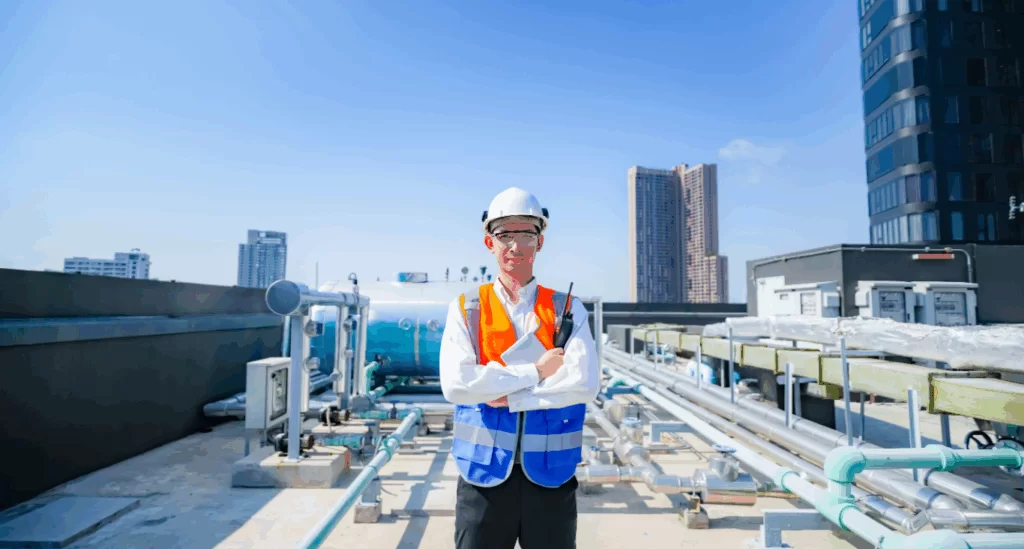
Building Managers are Over the Cybersecurity for the Commercial HVAC Systems in the building.

Building managers, you’re basically the quarterbacks of your building’s cybersecurity game—except instead of dodging linebackers, you’re fending off hackers. No pressure, right? You’re in charge of keeping the tech in check, which means making sure your HVAC system doesn’t become the easiest way for cybercriminals to waltz into your network. Fun times.

Step one: get your team on board. If your staff thinks “phishing” involves a rod and some bait, it’s time for a crash course in cybersecurity basics. Nobody’s asking you to turn your office into a spy agency, but a little training goes a long way. Teach them the art of spotting a shady email or understanding why using “password” as a password is the digital equivalent of leaving your door unlocked with a welcome mat.

Step two: make friends with your IT team. They’re not just there to fix the printer or set up your Wi-Fi—these folks are your secret weapons in the fight against digital chaos. Let them handle the complicated stuff like setting up firewalls and securing networks, while you focus on making sure everyone’s on the same page.

Oh, and don’t forget about vendors. If your HVAC contractor is working with outdated software or cutting corners on security, they’re basically handing hackers an invitation to the party. Ask tough questions, demand updates, and make sure you’re not the weak link in the cybersecurity chain. After all, you’re the one keeping the building running smoothly, and that includes keeping it safe from virtual troublemakers.

Future of Cybersecurity in HVAC Systems

Cybersecurity Tech working to Protect the Building HVAC Systems and more.

The future of HVAC cybersecurity? Oh, it’s shaping up to be one big tech showdown. On one side, you’ve got the hackers, probably snickering in their basements. On the other, you’ve got cutting-edge tech ready to lock things down tighter than a fridge during a midnight snack attack. Spoiler alert: we’re rooting for the tech.

AI is stepping into the ring, analyzing potential threats faster than you can say, “Why is the AC acting weird?” Imagine a system that can spot something sketchy before your HVAC even realizes it’s in trouble. It’s like having a digital guard dog, minus the barking. And then there’s biometric authentication—because apparently, passwords are so last decade. Instead of typing out some convoluted string of characters you’ll forget by tomorrow, why not just use a fingerprint or a face scan? It’s like your commercial HVAC system gets its own secret handshake.

Oh, and blockchain? It’s not just for people trading cryptocurrency while sipping artisanal coffee. It’s stepping in to help secure data exchanges, ensuring your HVAC system doesn’t accidentally spill its digital guts to anyone with a Wi-Fi connection.

But let’s not kid ourselves here. All the fancy tech in the world doesn’t mean squat if we don’t keep up with it. Hackers aren’t exactly the “rest on your laurels” type—they’re already cooking up their next schemes while we’re busy patting ourselves on the back for installing an update. Staying ahead means staying flexible, keeping your tech team on their toes, and not falling asleep at the cybersecurity wheel.

So, while the future looks promising, remember that keeping your HVAC system safe will always be part high-tech wizardry and part good old-fashioned vigilance.

Conclusion

As you can now see, cybersecurity is a very big deal for building managers when it comes to commercial heating and cooling systems.  Without a good cybersecurity team and set up, the entire heating and air conditioning system could go down among many other important programs needed to keep the building up and running smoothly. 

For commercial HVAC tips be sure to read our following related articles.  Also, don’t forget to take a look at some of the most asked questions about cybersecurity and HVAC systems. 

FAQs

Why is cybersecurity needed for commercial HVAC systems?

Commercial HVAC systems have increasingly adopted advanced technologies, making them more efficient but also more susceptible to cyber risks. These systems are now interconnected with broader networks, creating potential entry points for cybercriminals. With the rise in attacks targeting critical infrastructure, understanding how these vulnerabilities impact HVAC systems is crucial.

Many businesses may not realize the extent to which these systems can be exploited, whether through outdated software, unsecured devices, or lack of proper oversight. As the reliance on smart technologies grows, ensuring the cybersecurity of HVAC systems becomes a vital aspect of protecting overall business operations.

Cyber threats to commercial HVAC systems include malware attacks, ransomware, and unauthorized access. Hackers may exploit vulnerabilities in these systems to infiltrate larger networks or disrupt operations. Weak passwords, outdated software, and unsecured devices often serve as entry points for these attacks. A notable example involved a major retailer whose data breach stemmed from compromised HVAC systems. By targeting these systems, cybercriminals can access sensitive information or cause significant operational damage.

Proper configuration of HVAC systems is critical to reduce exposure to threats. Limiting access to authorized personnel, implementing network segmentation, and disabling unnecessary features can enhance security. Advanced authentication methods, such as multi-factor authentication, add another layer of protection. Conducting regular security audits and penetration testing helps identify and address vulnerabilities before they are exploited. It’s also important to choose vendors that prioritize cybersecurity in their products and services, as this reduces risks from the outset.

Staff members must understand how their actions can impact system security, as simple mistakes can lead to significant risks. Training should focus on recognizing phishing attempts, creating strong passwords, and securely managing devices connected to HVAC systems.

Employees should also be taught to report suspicious activity immediately, as timely intervention can prevent potential breaches. Cybersecurity protocols need to be clearly communicated, ensuring everyone follows best practices consistently. Regular updates to training materials are necessary to reflect new threats and technologies, helping employees stay prepared for evolving challenges in securing commercial HVAC systems.

Neglecting cybersecurity in HVAC systems can result in financial losses, system disruptions, and exposure of sensitive data. Cyberattacks targeting these systems may lead to operational downtime, damaged equipment, and compromised client trust.

Businesses may also face legal and regulatory repercussions due to data breaches. Hackers can exploit vulnerabilities in unprotected systems, causing widespread damage that impacts both immediate and long-term operations. Ensuring proper cybersecurity measures are in place is essential to prevent such costly consequences.

Companies can stay informed by attending cybersecurity conferences, subscribing to reputable industry newsletters, and participating in training sessions. Leveraging social media platforms to follow experts and organizations in the field also provides timely updates. Collaborating with cybersecurity consultants ensures businesses receive tailored advice and insights, helping them adapt to the constantly changing threat landscape.

Related Articles

Scroll to Top