HVAC Systems That Make Carbon Look Like Yesterday's News

Picture of Author: Rick Moore

Author: Rick Moore

Date Published: 7/28/2025

HVAC Systems That Reduce Carbon Emissions

Table of Contents

Introduction to Carbon Emissions and HVAC Systems

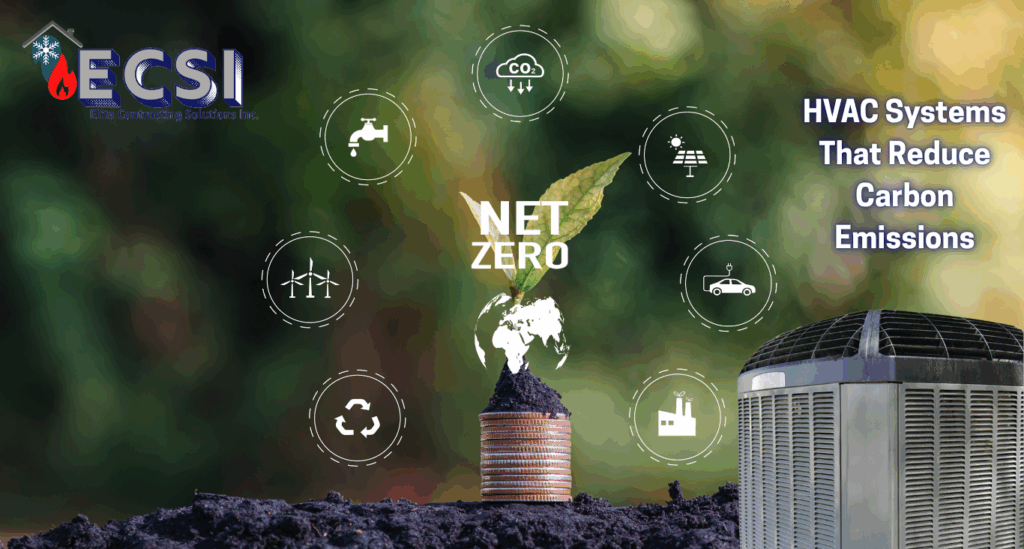
Carbon emissions—aka the party crasher of the 21st century. They’re everywhere, making our planet sweat like it’s stuck in an eternal hot yoga session. And guess what’s one of the culprits helping crank up the planetary thermostat? Your HVAC system. Yep, the same heating and cooling device you rely on to survive summer heatwaves and winter chills is in your home or business doing a number on Mother Earth. It’s like inviting someone to your housewarming party only to find out they’re eating all the snacks and leaving a mess.

Traditional HVAC systems burn through energy like a teenager with a gift card at the mall. And what’s the result? Sky-high energy bills and enough carbon emissions to make you feel personally responsible for melting glaciers. But don’t reach for the guilt blanket just yet—there’s hope on the horizon. The HVAC industry is getting a green makeover, ditching its bad habits and gearing up for a cleaner, leaner future. Whether it’s upgrading to more energy efficient HVAC models or embracing alternative energy sources, your trusty HVAC system might finally stop being the planet’s frenemy.

Energy Efficiency in HVAC Systems

Energy efficiency in HVAC systems is basically like upgrading from a gas-guzzling clunker to a sleek electric car—only this time, it’s for your home, not your driveway. The stars of the show? Features like variable-speed motors that know when to go full throttle and when to chill (literally). And let’s not forget those high SEER ratings, which sound fancy because they are. These ratings measure how efficiently your HVAC system does its thing, so the higher the number, the more it’s winning at life.

But it’s not just about the numbers; it’s about the perks. Energy-efficient systems save you money on utility bills, which means more funds for important stuff—like tacos or a streaming service subscription you forgot to cancel. Oh, and did I mention they’re quieter than traditional systems? No more HVAC units that sound like they’re auditioning for a monster truck rally in your backyard.

Another bonus: these heating and air conditioning systems don’t just stop at saving money and reducing noise—they also last longer. Turns out, not working overtime to keep your home comfy does wonders for your HVAC system’s lifespan. Who knew? With energy-efficient options, your system won’t just coast through a couple of seasons; it’ll be your home’s MVP for years to come.

Types of HVAC Systems That Reduce Emissions

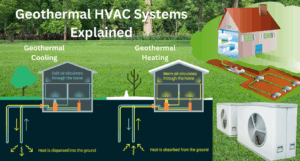
Geothermal Heating and Cooling System

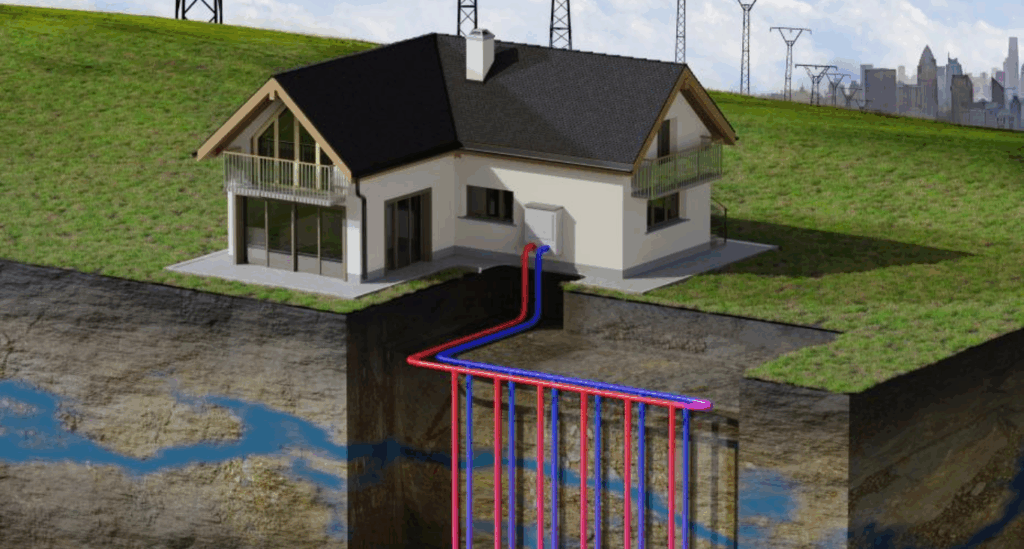
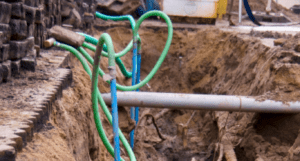
Geothermal heat pumps are basically the overachievers of the HVAC world. Instead of burning through energy like a caffeine-fueled college student during finals, they tap into the Earth’s natural temperature—because why reinvent the wheel when the planet’s been doing this temperature regulation thing for billions of years? These heating and cooling systems use underground loops to keep your home cozy in the winter and cool in the summer, all while keeping emissions so low they’re practically invisible. Bonus: You get to sound super fancy at dinner parties when you casually mention your geothermal setup.

Then there’s solar-powered HVAC, the MVP for anyone who thinks, “Hey, why not make the sun work for me?” These systems turn all that blazing sunlight into heating and cooling for your home, proving that the star at the center of our solar system has more to offer than just awkward tan lines. Solar HVAC is all about turning renewable energy into something useful—like not sweating through your couch in July.
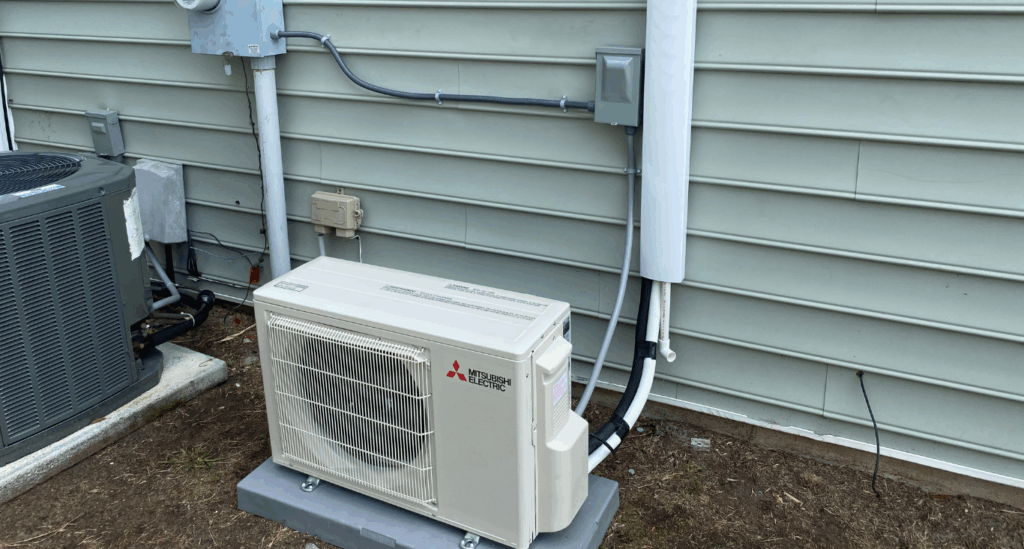
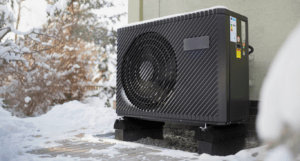
And we can’t forget ductless mini-split systems. These are the minimalist dream, giving you targeted temperature control without the energy waste of ducted HVAC systems. They’re like the efficient friend who meal preps for the week while you’re still debating what to order for dinner. Each room gets its own climate control, which means no more thermostat problems and battles. Peace in the household and fewer emissions? Yes, please.
Smart HVAC Technologies

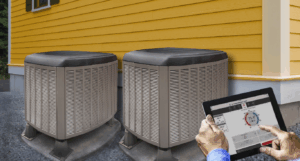
SMART HVAC System thermostat

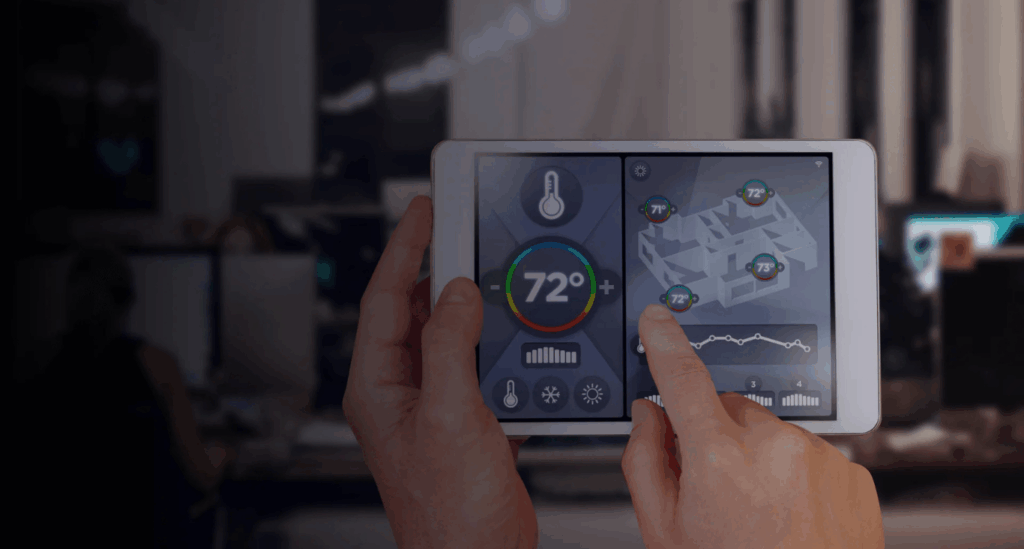
Smart HVAC technologies are like the overachieving kid in class who not only aces every subject but also volunteers for everything. These systems do more than just heat and cool your home—they think, adapt, and basically do everything short of folding your laundry. First up, smart thermostats. They’re the brainiacs of the HVAC world, learning your routines so you don’t have to constantly fiddle with settings. Work late on Fridays? Your thermostat knows and won’t waste energy cranking the heat when you’re not there. It’s like having a mind reader on your wall, but way less creepy.

Then there are zoning heating and air conditioning systems. Think of them as the peacekeepers, letting you control temperatures room by room. No more fighting over whether the house feels like an icebox or a sauna—your bedroom can feel like the Arctic while the living room stays toasty. Everyone’s happy, and you’re using less energy because you’re not heating or cooling rooms no one’s even in. Genius, right?

Oh, and let’s not forget about HVAC systems that integrate with your favorite smart home platforms. Want Alexa to turn up the heat while you’re making dinner? Done. Want to impress your guests by adjusting the air with just your voice? Also done. It’s HVAC, but make it futuristic. Plus, all that connectivity means they’re running as efficiently as possible, keeping both your utility bill and carbon emissions in check. If only they could help with your taxes.

Government Incentives for Eco-Friendly HVAC

heating and cooling tax rebates

If there’s one thing better than cutting down on carbon emissions, it’s getting paid to do it. That’s right—going green isn’t just good for the planet; it’s also good for your wallet, thanks to those sweet government incentives. Think of it as a thank-you note from Uncle Sam for not turning Earth into a giant sauna. Programs like ENERGY STAR are basically the Oprah of HVAC system upgrades—tax credits for you, rebates for you, and maybe even some bonus savings for the fancy eco-friendly system you’ve been eyeing.

The best part? These incentives aren’t just for professional HVAC contractor’s wizards or billionaires with solar farms in their backyards. Regular folks can cash in too, whether you’re swapping out your ancient furnace that sounds like it’s growling or investing in a geothermal system that makes you feel like a futuristic genius. And the paperwork? Not as scary as it sounds. Most programs come with straightforward guidelines, so you can spend less time stressing about forms and more time debating if you should name your new smart thermostat.

Sure, taxes aren’t exactly fun, but knowing your green upgrade comes with a potential financial cherry on top makes it all a little more exciting. Who knew HVAC system replacement could be this rewarding? Well, besides your utility bill.

Future Trends in HVAC to Cut Carbon Emissions

Reduce CO2

HVAC systems are gearing up to be the superheroes we didn’t know we needed. Picture this: cutting-edge tech that’s all about slashing carbon emissions without you lifting a finger. One of the coolest trends? Systems powered by hydrogen. Yep, the simplest element in the universe might just help your house stay cool and your conscience cleaner. And let’s talk about magnetocaloric tech—fancy science-speak for using magnets to heat and cool without all the guilt. It’s like a science fair project on steroids, but your home reaps the rewards.

Oh, and how about AI doing more than just picking your next TV binge? Smart HVAC systems are learning how to anticipate your needs, so they’ll keep your home at just the right temp without wasting an ounce of energy. It’s like having an overachieving assistant who never takes a coffee break.

There’s also a big push toward HVAC systems that can capture and store carbon. Imagine your heating and air conditioning system not just avoiding emissions but actually sucking carbon out of the air like a giant, planet-saving vacuum cleaner. And let’s not forget bioclimatic designs, where your system works with nature, not against it. Think architecture and landscaping that naturally reduce energy needs, making your HVAC work smarter, not harder. The future of HVAC? It’s equal parts science fiction and saving the planet.

Conclusion: Choosing the Right System

Mini Split Electrified Heat Pumps Installation Job

Picking an HVAC system is kind of like online dating—you’re swiping through options, hoping to find “the one” that’s energy-efficient, budget-friendly, and won’t make your life a nightmare. The good news? There’s no shortage of systems that can make your home cozy without turning the planet into a hot mess.

First, figure out what matters most to you. Is it energy savings? Lowering your carbon footprint? Or maybe just not having a broken air conditioning or heating system that sounds like a jet engine taking off? Once you’ve got your priorities straight, dive into the details—those efficiency ratings and eco-friendly features are basically your HVAC system’s dating profile.

And hey, don’t forget about all those sweet government incentives floating around. They’re like the cashback rewards of the HVAC world—because who doesn’t love saving some cash while saving the planet? Just make sure to look for a reputable installer who won’t leave you with a system that needs a DIY HVAC repair fix every other week.

A good cooling and heating system setup can make your home feel like a perfectly climate-controlled oasis, all while helping you breathe easier—literally and figuratively. So, go ahead and make the upgrade. Your future self (and the Earth) will thank you. Plus, no more sweating through your shirt in July. 

For more HVAC, outdoor firepit, and restaurant hood maintenance and installation tips, be sure to read our following related articles. 

Related Articles

Scroll to Top