The Hidden Costs of Ignoring Your Restaurant HVAC System
Author: Rick Moore
Owner of Adept Motions & ECSi Team Member
Date Published: 8/13/2025
Understanding Restaurant HVAC Systems
The HVAC system in a restaurant is far more than a background utility—it’s integral to creating an environment where both diners and employees can thrive. Standing for Heating, Ventilation, and Air Conditioning, this system regulates indoor comfort by controlling temperature, managing airflow, and improving air quality. For restaurants, these functions go beyond basic comfort; they directly impact operational effectiveness and customer satisfaction.
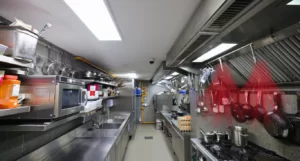
In the fast-paced world of food service, kitchens generate significant heat, smoke, and odors that, if unmanaged, can spill into dining areas and affect the overall experience. Proper ventilation is a key responsibility of the HVAC system, as it ensures that air circulates effectively between the kitchen and dining spaces, preventing lingering odors or an overly humid atmosphere. Without this, the balance between a productive kitchen and an inviting dining area becomes difficult to maintain.
Temperature regulation in your restaurant is equally critical. Whether it’s keeping guests cool during a summer rush or providing a warm retreat in the winter, your HVAC system must respond to fluctuating external conditions while handling the unique internal challenges of a busy restaurant. With multiple heat sources, frequent door openings, and varying occupancy levels, maintaining consistency requires a heating and cooling system built for resilience and efficiency.
Neglecting these heating and air conditioning systems can lead to inefficiencies that ripple throughout your business. Overburdened units not only fail to perform optimally but also tend to consume more energy and have shorter lifespans. On the flip side, keeping your HVAC system in top shape allows it to perform at its best, meeting the demands of a dynamic environment while supporting your broader goals.
It’s clear that this often-overlooked system is a cornerstone of restaurant operations. From air movement to climate control, the HVAC system works constantly to uphold the standards of a professional dining space.
Health and Safety Compliance
Maintaining a high standard of health and safety is essential for any restaurant, and your HVAC system plays a critical role in this effort. By ensuring proper air filtration and ventilation, your heating and air system helps minimize the presence of airborne contaminants such as dust, allergens, and grease particles that can accumulate in a busy kitchen environment. Without regular upkeep, these particles may build up over time, posing risks to both respiratory health and overall cleanliness.
Effective ventilation in the restaurant also helps control humidity levels, reducing the chances of mold and mildew growth in hard-to-reach areas. These issues can quickly lead to violations during health inspections and may even result in costly closures. Furthermore, maintaining proper airflow ensures that carbon dioxide levels are kept in check, especially in spaces with high foot traffic or during peak hours. Poorly ventilated spaces can lead to stale air, making the dining experience uncomfortable for guests and potentially hazardous for staff working long shifts.
Air quality isn’t just a behind-the-scenes concern; it’s something that directly impacts the perception of your establishment. Guests notice when a space feels fresh and clean, and the condition of your HVAC system contributes significantly to this impression. A heating and cooling system that functions well ensures that odors from the kitchen don’t linger where they’re not welcome and that smoke or grease doesn’t settle into surfaces over time.
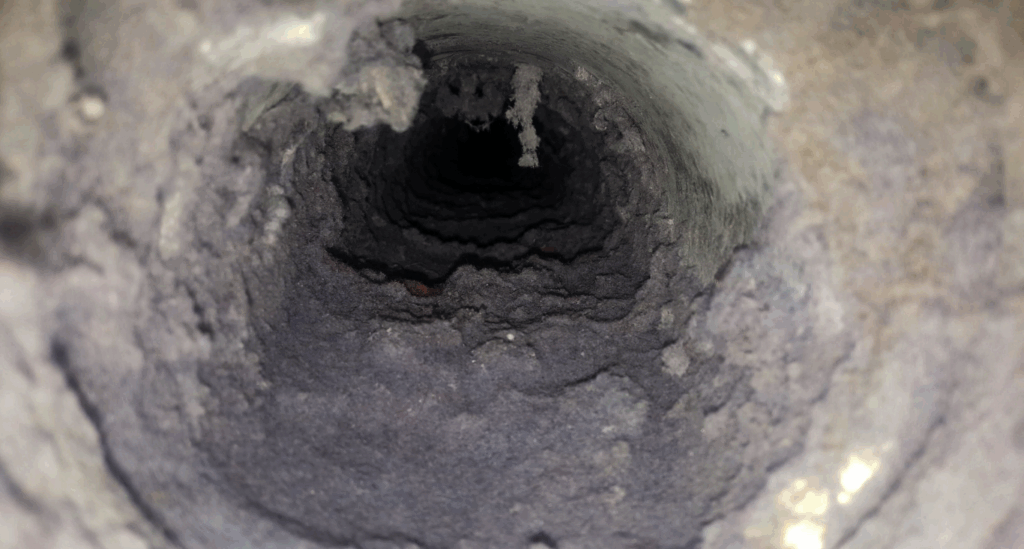
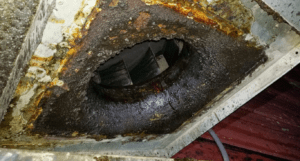
Regular heating and air conditioning inspections and filter replacements are critical components of HVAC maintenance. Filters clogged with debris not only reduce system performance but also allow particles to circulate back into the air. These contaminants can compromise sanitation levels, making it harder to meet the stringent standards set by health departments. Additionally, overlooked ventilation issues can result in grease buildup within ducts, increasing the risk of fire hazards—a situation no restaurant owner wants to face.
Energy Efficiency and Cost Savings
Energy efficiency is a crucial aspect of any well-maintained restaurant HVAC system, directly influencing operating costs and environmental impact. When your heating and cooling system runs efficiently, it consumes less energy to maintain optimal indoor conditions, which can result in noticeable savings on utility bills over time. However, without regular maintenance, wear and tear can compromise the performance of components such as motors, fans, and coils. These inefficiencies can force the system to work harder than necessary, increasing energy consumption and driving up costs unnecessarily.
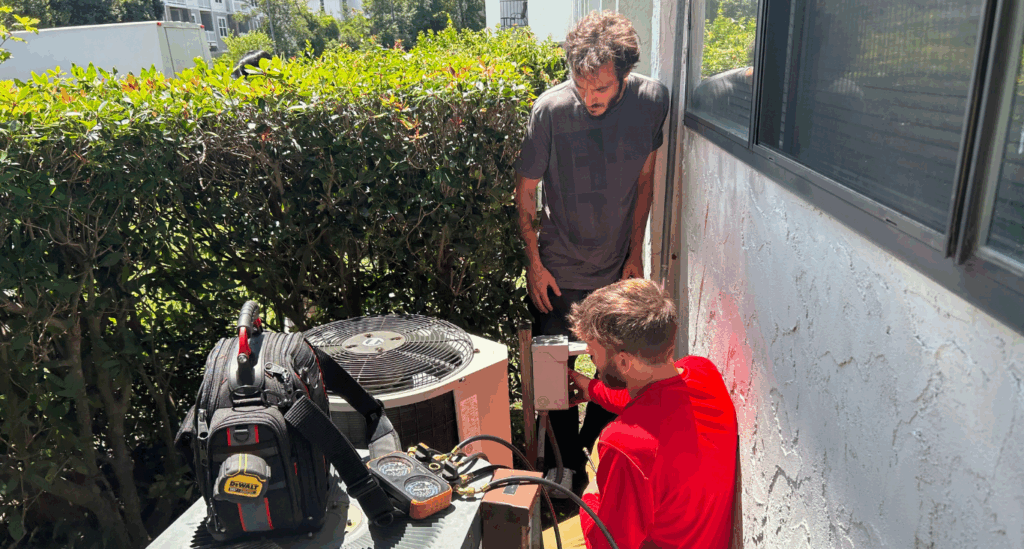
During professional maintenance visits, HVAC technicians can identify and address potential problem areas before they escalate. For example, refrigerant levels may need adjustment, belts might require tightening, or blocked ducts could be restricting airflow. Addressing these issues not only restores heating and air conditioning system performance but also helps prevent unexpected malfunctions that could disrupt your operations. Energy-efficient practices don’t just benefit your bottom line—they also reduce strain on the environment, aligning with the growing emphasis on sustainable business operations.
Another factor that impacts energy efficiency is the age and design of your commercial HVAC system. Older systems or those not specifically designed for the demands of a restaurant environment may struggle to deliver consistent performance. If your current setup is outdated or frequently breaking down, upgrading to a modern, energy-efficient system can provide long-term benefits. Today’s HVAC units are built with advanced features, such as programmable thermostats and variable-speed motors, which optimize energy usage based on real-time conditions. Even smaller adjustments, like recalibrating thermostat settings, can make a measurable difference in energy consumption.
Airflow optimization also plays a significant role. Poor ventilation can trap heat in kitchens or overcool dining areas, leading to uncomfortable conditions and wasted energy. Regularly cleaning vents, checking duct insulation, and ensuring proper sealing of all components keeps airflow balanced and energy usage in check. Ultimately, making energy efficiency a priority helps keep operational expenses under control while supporting a consistent and comfortable environment for everyone in your establishment.
Enhancing Customer Experience
A restaurant’s atmosphere is one of the first things guests notice when they walk through the door, and the restaurant HVAC system plays a pivotal role in shaping that initial impression. Comfortable indoor temperatures and clean, well-circulated air create an inviting environment that encourages patrons to relax and enjoy their dining experience. On the flip side, if the restaurant or commercial building feels too warm, too cold, or carries lingering kitchen smells, it can detract from even the most thoughtfully prepared meal.
Noise levels can also subtly affect how customers perceive your establishment. A properly functioning restaurant HVAC system operates quietly, ensuring that conversations and ambiance aren’t interrupted by excessive mechanical sounds. Whether it’s a romantic dinner or a lively group gathering, patrons value a space where they can focus on the company they’re with and the food they’re enjoying.
Additionally, the air quality in your restaurant significantly impacts how guests feel during and after their visit. Poor air circulation or inadequate filtration can lead to stale or stuffy conditions, while effective ventilation keeps the atmosphere fresh and free from unpleasant odors. This contributes to an overall experience that feels polished and professional, reflecting the care and attention invested in every aspect of the business.
For restaurants that cater to large groups or host events, the ability to maintain consistent comfort regardless of crowd size is essential. Temperature fluctuations or uneven air distribution can quickly turn a festive gathering into an uncomfortable situation. Your restaurant HVAC system needs to handle these demands seamlessly, allowing guests to focus on enjoying their time without distractions.
Ultimately, these seemingly small details can have a big influence on how customers perceive your restaurant. When guests feel comfortable and cared for, they’re more likely to stay longer, revisit in the future, and recommend your establishment to others. The work your cooling and heating system does behind the scenes is a key factor in creating that lasting positive impression.
Scheduling and Prioritizing Maintenance
To keep your restaurant HVAC system operating at its best, establishing a consistent HVAC maintenance routine is essential. Regular check-ups allow you to identify and address minor issues before they evolve into costly repairs, or the need for the installation of a new HVAC system causing disruptions to your business. Seasonal transitions are an ideal time for these inspections, as changes in temperature often place additional demands on your system.
During maintenance visits, technicians will clean and inspect critical components like filters, coils, and fans to ensure the restaurant HVAC system operates efficiently. They can also test and adjust settings, ensuring optimal airflow and temperature regulation while preventing undue wear on the system. Taking these steps not only extends the life of your HVAC system but also helps maintain consistent performance throughout the year.
Proactive maintenance also aids in cost management. By catching inefficiencies early—like a clogged filter or a loose belt—you can prevent higher energy bills and unexpected repair costs. Allocating a portion of your budget to routine upkeep can help avoid the financial strain of emergency fixes and extend the lifespan of your equipment. Additionally, many service providers offer maintenance agreements, which can simplify scheduling and provide cost savings over time.
Beyond the technical benefits, staying ahead of maintenance reflects your commitment to a safe, comfortable, and professional environment. Regular upkeep ensures your system supports the high standards of cleanliness and air quality that your business demands. It also reduces the risk of unexpected failures during peak hours, keeping operations running smoothly and customers satisfied.
Ultimately, a well-planned heating and cooling maintenance schedule serves as a cornerstone of efficient restaurant operations. By prioritizing these routine tasks, you’re not just preserving the functionality of your restaurant HVAC system—you’re investing in the reliability and success of your business.
Conclusion
You should now have a bit of an understanding on just how important it is to keep your restaurant HVAC system well maintained for the benefit of both your employees and customers. For more tips on restaurant hood maintenance, heating and cooling, as well as, gas line installations, be sure to read our following related articles.