Geothermal HVAC Systems: Say Goodbye To High Bills
Author: Rick Moore
ECSI Team Member
Date Published: 8/20/2025
Table of Contents
Introduction to Geothermal HVAC Systems
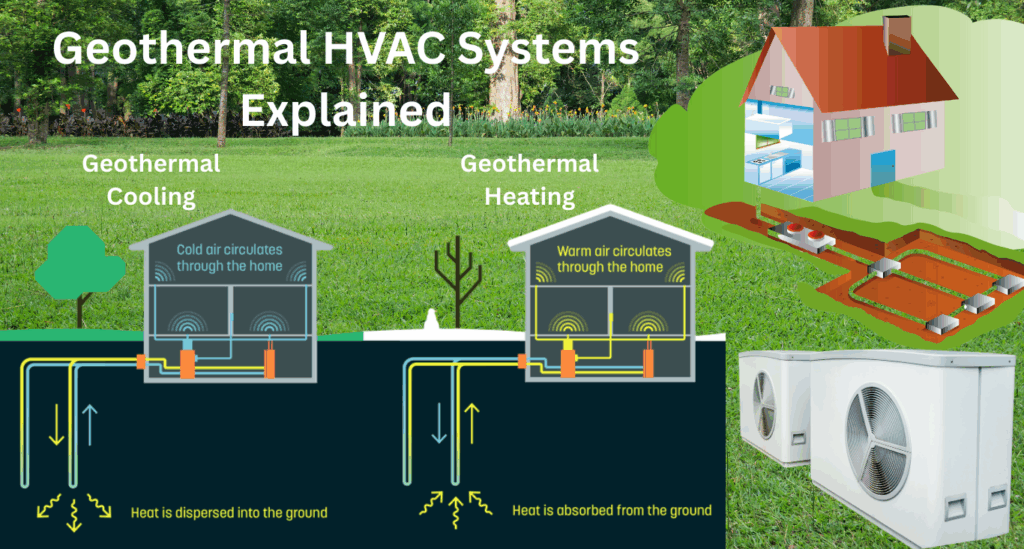
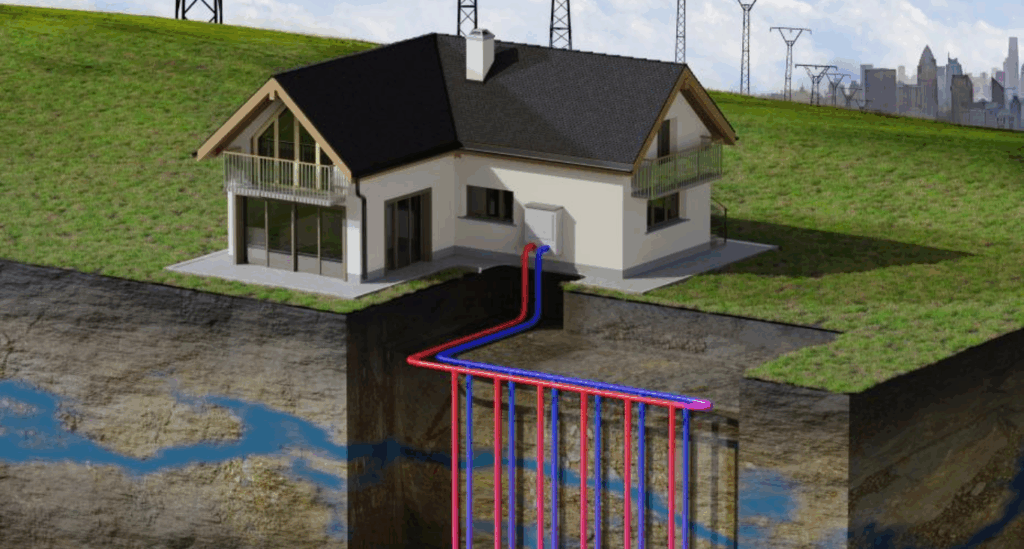
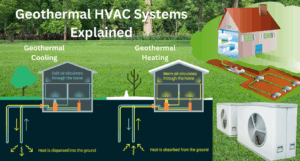
Geothermal HVAC systems are an innovative way to heat and cool your home by tapping into the earth’s steady underground temperatures. Unlike traditional HVAC systems that depend on fluctuating outdoor weather, geothermal systems use a network of underground pipes to transfer heat to and from your home. This method is highly efficient, using minimal electricity to provide consistent comfort no matter the season.
What sets geothermal systems apart is their ability to operate reliably in a wide range of climates. By utilizing the earth’s natural thermal energy, they maintain steady indoor temperatures without the constant energy spikes that come with conventional systems. This can lead to noticeable savings on your monthly utility bills, which is a welcome change for many homeowners.
Another advantage is their quiet operation. Traditional HVAC systems can be noisy, with compressors and fans kicking on and off throughout the day. In contrast, geothermal HVAC systems work almost silently, creating a more peaceful environment in your home. They are also environmentally friendly, reducing reliance on fossil fuels and minimizing greenhouse gas emissions.
Choosing geothermal isn’t just about immediate comfort—it’s about long-term benefits. From lower energy use to reduced HVAC maintenance needs, these systems are designed to work efficiently over time. With advancements in technology, geothermal HVAC systems are becoming more accessible and adaptable, making them an excellent choice for homeowners who want to invest in a smarter, more sustainable way to control their indoor climate.
Energy Efficiency and Cost Savings
Geothermal HVAC systems stand out for their ability to reduce energy consumption, thanks to their reliance on the earth’s consistent underground temperature. This unique approach means they use far less electricity compared to traditional heating and cooling systems. As a result, many homeowners notice a significant decrease in their monthly energy bills shortly after making the switch.
While the upfront heating and air conditioning installation cost for geothermal systems can be higher, it’s important to look at the bigger picture. The lower operating costs quickly begin to offset the initial investment. Over time, these savings can make a noticeable difference in household budgets. Additionally, some homeowners may qualify for tax incentives or rebates that help ease the initial financial commitment.
Another factor contributing to their efficiency is their design. By transferring heat rather than generating it, geothermal systems avoid the energy loss often associated with conventional systems. This not only makes them more cost-effective but also ensures consistent comfort throughout your home.
Geothermal HVAC systems also help protect against fluctuating energy prices. Since they use less electricity, your household is less affected by seasonal or market-driven rate increases. Over the years, this stability can provide peace of mind, knowing that energy costs are more predictable. Combined with their longevity and low heating and cooling maintenance requirements, these heating and air conditioning systems deliver value far beyond their initial installation.
Reliability and Longevity
Geothermal HVAC systems are built to last, offering a dependable solution for heating and cooling that requires minimal upkeep over time. Their design includes fewer components exposed to the outdoors, which means less risk of damage from weather or debris. This not only reduces the likelihood of unexpected malfunctions but also extends the system’s overall lifespan.
The underground loop system, a core part of geothermal technology, is exceptionally durable. Made from high-quality materials designed to withstand decades of use, it often remains functional for 50 years or more. Above ground, the heat pump unit is also built with longevity in mind, typically lasting around 20 to 25 years with proper care.
Because these heating and air systems operate by transferring heat instead of burning fuel, there’s less stress on the internal components. This means wear and tear occurs at a much slower rate compared to traditional HVAC systems. As a result, the need for frequent heating and air conditioning repairs is significantly reduced, offering peace of mind and helping you avoid costly heating and cooling service calls.
Investing in a geothermal system also means you’re choosing a technology that’s proven to hold up in diverse climates and conditions. These systems are engineered to maintain efficiency and performance over the long term, even when used daily throughout the year. This level of reliability makes geothermal HVAC systems a practical and forward-thinking choice for homeowners.
Environmental Benefits
Switching to a geothermal HVAC system is a meaningful way to reduce your home’s impact on the environment. These systems rely on renewable energy stored beneath the earth’s surface, eliminating the need to burn fuels for heating or cooling. This translates into a significant reduction in harmful emissions that contribute to air pollution and climate change.
Because geothermal systems use electricity primarily to move heat rather than generate it, they operate far more efficiently than traditional systems. This efficiency helps conserve resources while still delivering consistent comfort for your household. Additionally, the minimal energy required to operate these systems often comes with the option to pair them with renewable electricity sources, such as solar or wind power, for even greater environmental impact.
By adopting this advanced technology, homeowners actively participate in creating a cleaner, more sustainable future. Choosing a geothermal system demonstrates a commitment to environmental stewardship while still enjoying reliable performance and lower utility costs.
Maintenance and Upkeep
Keeping a geothermal HVAC system in good condition is straightforward and doesn’t require extensive effort. One of the most important tasks is regularly checking and replacing air filters, which helps maintain proper airflow and ensures the heating and cooling system operates efficiently. Unlike traditional systems, geothermal systems have fewer moving parts, which means there’s less wear and tear to worry about.
Scheduling an annual inspection with a certified HVAC technician is another key part of upkeep. Professional heating and cooling companies can check for proper fluid levels, ensure the heat pump is running as it should, and inspect the underground loop system for any potential issues. Staying ahead of routine maintenance can help you avoid unexpected heating or air conditioning repairs and keep your system working at its best.

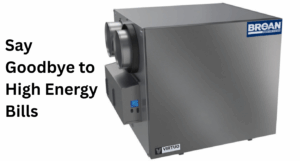
The heat pump unit, which is located indoors, benefits from being in a controlled environment, protecting it from weather-related damage. While this adds to the system’s durability, it’s still a good idea to monitor it for any unusual sounds or performance changes. Addressing small concerns early can prevent larger HVAC problems down the line.

Geothermal systems also tend to have long lifespans, but maintaining efficiency over the years depends on proactive care. Working with experienced air conditioning and heating professionals who specialize in geothermal technology ensures that any servicing is done correctly. It’s worth finding a technician you trust, as they can provide personalized advice on keeping your specific system in optimal condition. When maintained properly, your geothermal system can continue to provide reliable comfort for years to come.
Overcoming Common Concerns
Some homeowners hesitate to consider geothermal HVAC systems due to concerns about installation and property requirements. While it’s true that installing a geothermal system involves careful planning, advances in technology have streamlined the process significantly. Experienced residential and commercial HVAC professionals can assess your property to determine the best configuration, ensuring that the system is tailored to fit your specific needs.
Space limitations are another common worry, but geothermal HVAC systems are surprisingly adaptable. Vertical loop systems, for example, are ideal for properties with limited yard space, while horizontal loops work well for homes with more available land. No matter the property size or location, there’s likely an option that can work effectively.
Another frequent concern is the misconception that geothermal HVAC systems are noisy. In reality, these systems are known for their quiet operation, with most components placed underground or indoors. For those who live in areas with extreme temperatures, geothermal heating and cooling systems can still provide consistent performance. By tapping into the earth’s steady temperature, they remain effective even when outdoor conditions are at their most challenging.
The cost of installation may also seem daunting at first glance, but many homeowners are surprised to learn about financing options, rebates, and incentives that can make geothermal HVAC systems more affordable. With proper planning and support from knowledgeable HVAC professionals, these concerns can be addressed, making geothermal a practical and beneficial choice.
Making the Switch
Deciding to transition to a geothermal HVAC system is an investment in efficiency, comfort, and sustainability. The process begins with assessing your property to determine the best approach for installation. Professional heating and air conditioning technicians will evaluate factors like available space, soil type, and your home’s existing heating and cooling setup to design a system tailored to your needs.
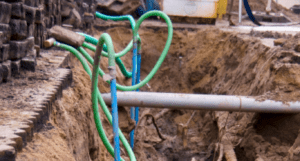
Once the plan is in place, installation typically involves placing underground loops and connecting them to the indoor heat pump unit. While the process may seem complex, experienced installers are skilled at ensuring minimal disruption to your property. The result is a seamless integration that supports long-term performance.
Another important step is exploring available financing options and incentives. Many homeowners are eligible for federal tax credits or local rebates, which can significantly offset the upfront costs. Professionals in geothermal technology can guide you through this process, ensuring you take full advantage of these savings.
The switch to geothermal is a long-term decision that comes with lasting benefits, including reduced energy bills and fewer maintenance needs. By working with knowledgeable installers and staying informed, you can ensure a smooth transition that enhances your home’s comfort and efficiency. Making the change is not only a step toward a more eco-friendly future but also a smart way to manage household energy use over time.
Conclusion
With the information that you just obtained, you should have a pretty good understanding of the benefits of geothermal HVAC systems. For more heating and air conditioning tips that could help save you money and provide a more comfortable home. Be sure to read our following realted articles.