The Lowdown on Restaurant Exhaust Hood Requirements
Author: Rick Moore
ECSi Team Member
Date Published: 9/3/2025
Understanding the Basics
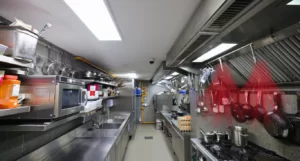
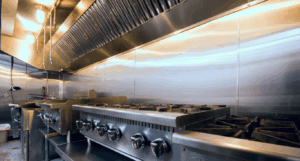
Let’s talk about exhaust hoods, the unsung heroes of your kitchen. They’re not just there to look shiny and industrial—these bad boys have a job to do. Think of them as your kitchen’s bouncer, keeping the smoke, heat, and questionable smells from crashing the party. Without them, your staff would be sweating buckets, and your dining area would smell like a campfire gone wrong.
Here’s the deal: exhaust hoods pull all that greasy, smoky air out of your kitchen and send it packing. They’re basically the magical force keeping your kitchen from turning into a foggy, stinky sauna. Plus, they help maintain decent air quality, because who doesn’t want to breathe without coughing? Whether you’re flipping burgers or flambéing something fancy, an exhaust hood makes sure the only thing your customers notice is how good your food smells—not the smoke show coming from your grill.
And let’s not forget safety. A properly working exhaust hood reduces the risk of grease fires, because nothing says “bad day” like setting off the sprinklers during the dinner rush. So yeah, these metal wonders might not be glamorous, but they’re absolutely essential. Think of them as the hard-working, behind-the-scenes MVPs of your kitchen crew.
Regulations and Compliance
Ah, the joy of regulations—because running a restaurant wasn’t complicated enough, right? Here’s the thing: these rules aren’t just here to mess with your life; they actually keep your kitchen safe and your customers breathing easy. Fire safety standards, ventilation codes, and health department requirements all team up to make sure your exhaust hood is doing its job without turning your kitchen into a scene from a disaster movie. It’s a lot to keep track of, especially since these rules seem to change faster than you can flip a pancake.
But don’t worry, you don’t need to become a legal expert overnight. Start by checking in with your local authorities to understand what’s required in your area. Spoiler alert: they’ll probably want you to have an exhaust hood that actually works and meets airflow standards. And yes, you’ll need to get permits and inspections because nobody wants to get shut down over a technicality.
The good news? There are pros out there who live for this stuff. Consultants, fire inspectors, and HVAC specialists can help you decode the bureaucratic mumbo jumbo and avoid costly mistakes. Because let’s face it, deciphering these rules is about as fun as reading the terms and conditions on a software update. Sure, it’s a hassle, but following the regulations means fewer headaches, fewer fines, and way fewer smoke-filled freakouts.

Types of Exhaust Hoods
Alright, let’s dive into the wild world of exhaust hoods. Spoiler: they’re not one-size-fits-all. The kind you need depends on how your kitchen operates, and no, it’s not as simple as just picking the shiniest one. First up, we’ve got wall-mounted hoods. These are your go-to if your cooking equipment is lined up against a wall. They’re reliable, practical, and basically the vanilla ice cream of exhaust hoods—classic and dependable.
Then there are island hoods, the show-offs of the group. If your cooking setup is in the middle of your kitchen, this is your guy. Picture it hovering above your equipment like a futuristic spaceship, whisking away smoke and grease like it’s no big deal.
For those with a more compact kitchen or who just love efficiency, proximity hoods are a solid pick. These sit closer to your cooking equipment, targeting grease and smoke right at the source. It’s like the ninja of exhaust hoods—stealthy, efficient, and totally focused.
And let’s not forget about customization. Depending on what’s sizzling in your kitchen, you might need something extra, like a hood with built-in filters or a special design for high-heat cooking. The options are endless, which is exciting until you realize that “endless options” actually means “time to make 500 decisions you didn’t know existed.”
Ultimately, your choice comes down to your kitchen’s layout and what you’re whipping up. Don’t sweat it—just remember that the right hood can be the difference between a smooth-running kitchen and one that feels like a smoky, greasy apocalypse.
Installation and Maintenance
So, you’ve got your shiny new exhaust hood ready to go, and now comes the fun part: getting your restaurant exhaust hood installed without losing your mind. First things first—this isn’t the time to channel your inner handyman unless you’ve got some serious skills. Let’s face it, attaching a giant metal contraption to your kitchen ceiling while making sure it doesn’t fall or turn into a fire hazard is not exactly a beginner-level project. Call in the pros—they’ve got the tools, the know-how, and, most importantly, the patience to deal with this stuff.
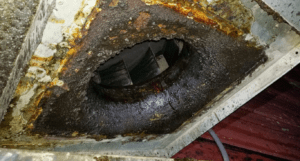
Once your hood is up and doing its thing, the work doesn’t stop there. Think of it like a car: you wouldn’t buy a shiny new ride and then never change the oil, right? Same deal here. Regular cleaning is non-negotiable because grease buildup doesn’t just look gross—it’s basically a fire waiting to happen. Schedule some time to scrub down the filters, or better yet, hire someone who won’t gag at the sight of what’s been collecting up there.
And don’t forget those routine inspections. Nobody likes a surprise, especially when it’s in the form of a malfunctioning hood during your Friday night dinner rush. A quick service call from an HVAC pro can catch small issues before they morph into wallet-draining disasters. Trust me, a little maintenance now beats the nightmare of a smoky kitchen and a visit from the health inspector later.
Cost Considerations
Let’s talk dollars and cents, because nobody’s running a charity over here (unless you are, in which case, ignore that). Exhaust hoods aren’t exactly the cheapest line item in your budget, but they’re also not where you want to cut corners. Think of it like this: you could save a few bucks up front by going with the bargain option, but when it breaks down mid-dinner rush and turns your kitchen into a fog machine, you’ll be wishing you spent a little more.
The cost of an exhaust hood depends on a mix of factors—size, type, and whether or not your local building codes demand something fancy. Pro tip: your wallet might cringe at the price tag for a high-quality hood, but skimping on it is just an invitation for higher maintenance bills (and possibly a few angry fire marshals) later. And hey, if you’re feeling particularly wild, you could even budget for extras like energy-efficient features. Sure, they cost more up front, but they’ll make your utility bill less terrifying.
Oh, and don’t forget about the exhaust hood installation. Spoiler alert: hanging one of these bad boys in your kitchen isn’t a DIY moment. Professional installers come with a price, but they also come with the guarantee that your hood won’t collapse mid-shift. Worth it? Absolutely.
Then there’s maintenance—the cost nobody thinks about until they’re staring at a grease-clogged filter wondering how it got this bad. Regular cleaning and inspections aren’t free, but they’re a heck of a lot cheaper than dealing with a surprise kitchen fire or replacing a ruined system. Bottom line: exhaust hoods are an investment, but a little upfront planning (and spending) will save you from some very pricey regrets down the road.
Improving Efficiency
Let’s be real, running a restaurant means every dollar counts, and your exhaust hood is no exception. If your current setup is guzzling energy like a teenager with a soda addiction, it’s time to rethink things. Modern hoods are designed to be way more efficient, meaning they’ll suck out smoke and grease without also sucking the life out of your utility budget.
One big win? Variable speed controls. These let your exhaust hood work at the intensity you actually need—because why run it at full blast when you’re just warming up soup? It’s like having a dimmer switch for your kitchen airflow. Not only does this save energy, but it also means less noise pollution. You can finally stop yelling over the roaring hood fan to tell your line cook they forgot the salt.
Then there’s smart tech—yes, even your exhaust hood can be smart these days. Some systems adjust automatically based on the heat and smoke levels in your kitchen. Basically, it’s like having an extra pair of hands to keep things running smoothly, minus the payroll expense. And if you’re into saving the planet (or at least looking like you are), energy-efficient hoods are a game-changer. They use less power, reduce waste, and might even earn you some tax breaks. Fancy that.
Oh, and don’t underestimate regular maintenance to keep your hood running at peak efficiency. A clogged filter or a greasy fan is basically an energy vampire, so keeping things clean isn’t just about avoiding health department drama—it’s also about making your equipment work smarter.
At the end of the day, a more efficient hood means less stress on your budget, less strain on your ears, and a lot more peace of mind. Because let’s face it: you’ve got enough to juggle without worrying that your exhaust hood system is secretly plotting to bankrupt you.
Conclusion
As you can now see, the steps you take in both choosing and installing your restaurant exhaust hood system is extremely important to avoid potential future problems. For more tips on exhaust hood installation, repair, and maintenance as well as heating and cooling repair tips. Be sure to read our following related articles.