Cut Your Restaurants Energy Bills with Demand-Controlled Ventilation
Rick Moore
ECSi Team Member
Date Published: 4/29/2026
Table of Contents
Introduction to Energy Efficiency in Kitchens
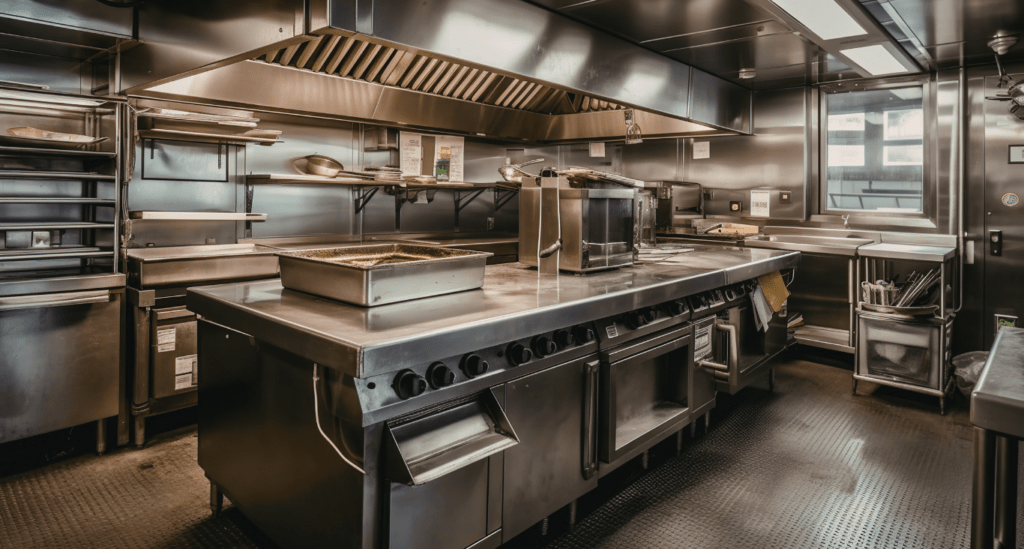
Ah, the restaurant kitchen, a magical, chaotic place where culinary dreams come to life and, let’s face it, your energy bills skyrocket like a soufflé that actually worked. Between the ovens, fryers, and that ancient fridge that sounds like it’s auditioning for a horror movie, it’s no wonder your electricity costs are giving you nightmares. But here’s the good news: energy efficiency isn’t some mythical unicorn that’s out of reach. It’s totally doable, and it doesn’t require you to start washing dishes by hand or cooking by candlelight. Think of it as upgrading from a dull paring knife to a gleaming chef’s blade, it’s just better, smarter, and less likely to make you question your life choices.
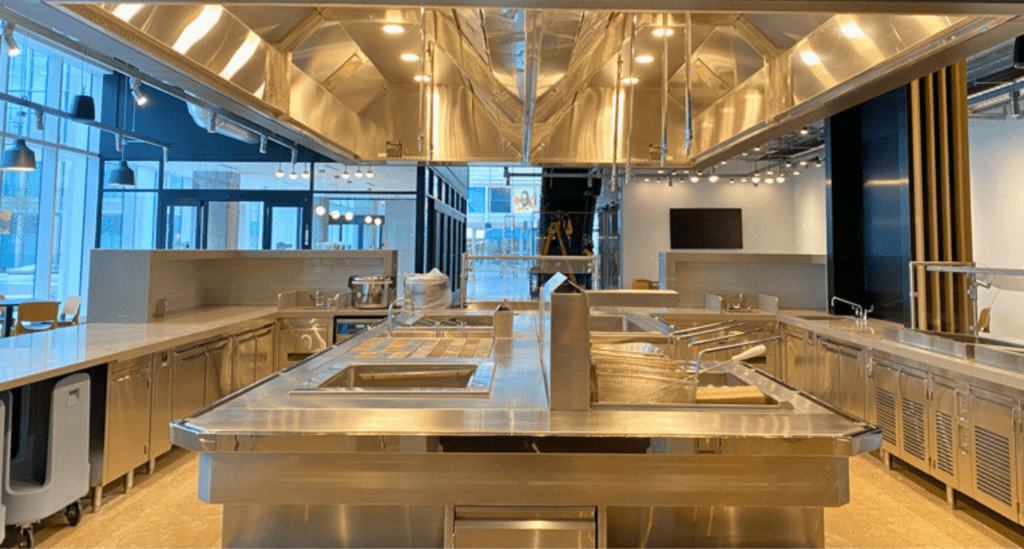
From restaurant exhaust hood systems that only work as hard as your dinner rush demands to exhaust fans that adjust their speed like they’ve been reading your mind, there’s a whole world of tech ready to make your kitchen a lean, green, money saving machine. Sure, it might take a little upfront effort, but hey, if you’re willing to perfect a béarnaise sauce, you can absolutely master the art of not throwing cash out the exhaust hood.
Understanding Demand Controlled Ventilation
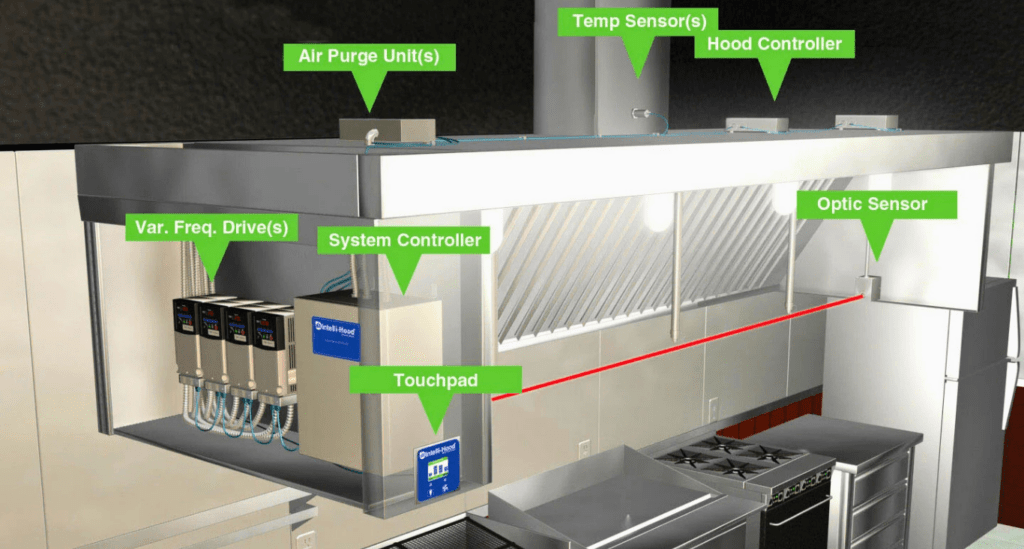
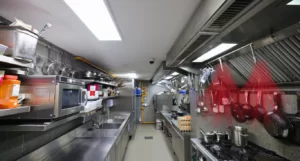
Let’s talk about Demand Controlled Ventilation, or as I like to call it, the “chill out system” for your kitchen. Think of it as the overachiever of ventilation, it doesn’t just sit there blasting air like it’s trying to reenact a wind tunnel. Nope, DCV actually uses sensors to monitor the action in your kitchen and adjusts airflow based on what’s cooking.
Got all burners blazing and the fryer working overtime? The system kicks into high gear. Slow afternoon with just one pan on the stove? It takes a breather. It’s like having a coworker who knows when to step up and when to step back, without all the side eye and passive aggressive comments. And here’s the kicker: this whole operation helps you save on energy costs. Because why pay for max ventilation when all you’re doing is warming up soup? It’s smart, efficient, and, dare I say, kind of genius.
Benefits of Variable Speed Fans
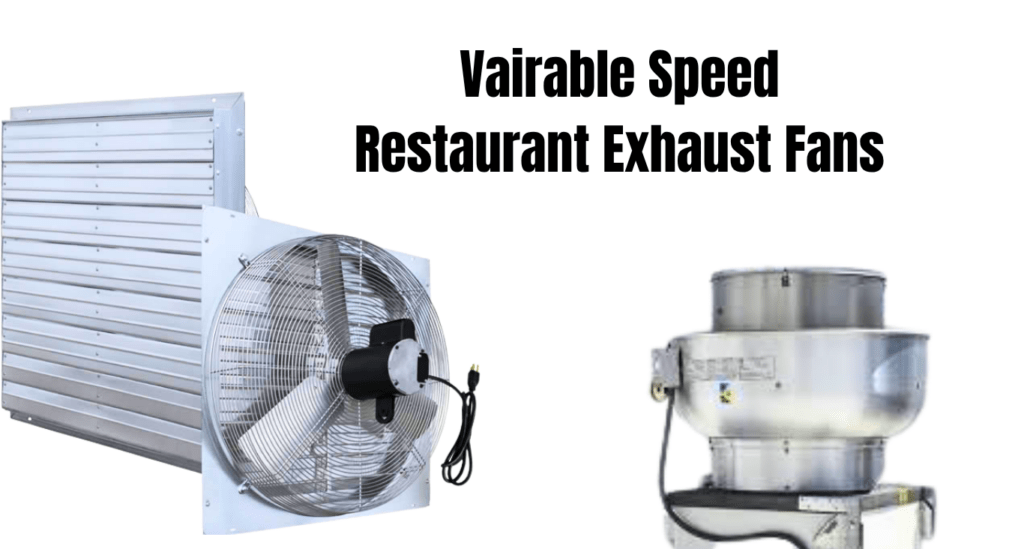
Let’s talk about variable speed fans, the MVPs of your kitchen that don’t demand all the glory. These fans are like the chill sous chef who always knows exactly how much effort to bring to the table. When the grill is firing on all cylinders and the fryer is doing its thing, they kick it up a notch. But during those quieter moments, when the most exciting thing happening is a simmering pot of sauce, they take it easy.
The result? They only use as much energy as the situation calls for, which means your energy bills finally stop looking like a bad punchline. Plus, by not running at full blast 24/7, they’re doing your equipment a favor and extending its life. It’s like they’re looking out for everyone, your budget, your gear, and maybe even your sanity. And hey, nobody misses the constant roar of an overworked fan competing with the sound of your kitchen playlist.
Choosing the Right High Efficiency System
Shopping for a high efficiency restaurant exhaust hood systems to install isn’t like grabbing the first shiny gadget you see at a kitchen supply store. No, this is more of a “Goldilocks” situation, you’re looking for something that’s just right for your operation. Start with your kitchen’s layout and how much chaos it typically handles. Is it a compact, cozy space where every inch is a battleground, or a sprawling setup that could host a food fight and still have room for prep? The size and workload matter when choosing a system that won’t feel like it’s being forced into a job it hates.
Also, think about your cooking style. Are you cranking out sizzling stir fries all day or simmering soups and sauces at a more leisurely pace? Systems with advanced sensors and controls are your best bet for tailoring to your needs. And don’t skimp on quality, this isn’t the time to cut corners with a knockoff that’ll burn out faster than your new hire on a double shift.
Oh, and here’s a fun twist: your local climate might have a say in this too. Hot and humid? You’ll need something that can handle the heat without wilting. Cold winters? Make sure your system doesn’t turn your kitchen into an igloo. The goal here is balance, not overkill.
Financial Advantages of Going Green
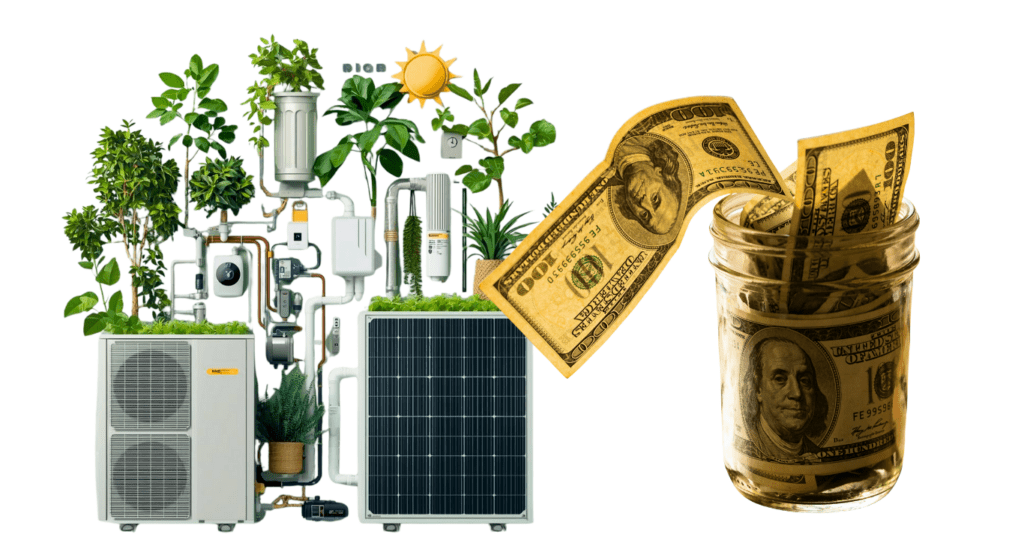
Let’s talk dollars, because saving the planet is cool and all, but saving cash? Even cooler. Energy efficient systems like Demand Controlled Ventilation aren’t just shiny tech upgrades; they’re basically your wallet’s new best friend. By dialing down energy usage during slower times and cranking it up only when the kitchens in full chaos mode, these systems keep your energy bills from ballooning into terrifying territory. It’s like finally convincing your thermostat to stop fighting you all summer, pure bliss.
Here’s the kicker: those savings on energy bills add up faster than a rush of to go orders on a Friday night. Month after month, you’ll see a chunk of change sticking around that would’ve otherwise gone straight into the utility company’s pocket. And since your gear isn’t constantly running at full blast, you’re also likely saving on repair and maintenance costs. Less wear and tear means fewer calls to fix that one thing that always seems to break at the worst time.
And let’s not forget about the potential for rebates or tax incentives for going green, turns out, saving on energy bills might actually get you some money back. Who knew being responsible could be this lucrative? So, while your kitchen works smarter, not harder, you can enjoy the sweet satisfaction of extra cash for whatever’s next on your list.
Success Stories from Restaurant Owners
Imagine this: one restaurant owner finally gave their ancient ventilation system the boot and installed Demand Controlled Ventilation. A few months later, their energy bills looked so good it could’ve been framed. Turns out, not paying to vent non-existent smoke is a solid strategy. Another spot jumped on the variable speed fan bandwagon, and guess what? They didn’t just save cash; they also discovered their kitchen staff was happier without the constant roar of an overworked fan drowning out every conversation (and every bad joke).
Oh, and let’s not forget the owner who embraced sustainable practices like portion control and recycling. Not only did they save on waste disposal costs, but word got around, and suddenly eco conscious diners were lining up to feel good about their takeout. Bonus: that stack of cardboard boxes in the storage closet? Finally useful.
These places didn’t just slap a “green” sticker on their front doors, they upgraded their operations, made smarter decisions, and found themselves with extra cash and fewer headaches. It’s almost like the equipment cared about their success. Almost.
Conclusion: Embracing Energy Efficiency
Energy efficiency isn’t just a fancy buzzword; it’s the upgrade your kitchen didn’t know it desperately needed. Think about it: less energy wasted means lower energy bills and more money staying in your pocket. And who doesn’t love a little extra cash for, say, that espresso machine everyone’s been hinting at? By embracing smarter systems like Demand Controlled Ventilation and variable speed fans, you’re not just investing in equipment, you’re investing in a kitchen that works as hard as you do without the burnout. Plus, it’s kind of satisfying to know you’re sticking it to the utility company.
And hey, let’s not overlook the side perks. A quieter kitchen, happier staff, and a business that looks downright responsible to your eco conscious diners? Sounds like a win to me. Sure, it takes some effort to get started, but so does perfecting that signature dish of yours, and look how that turned out. At the end of the day, going green isn’t just a trend; it’s a smart move for your bottom line and your sanity. So, whether you’re in it for the savings, the planet, or just the bragging rights, energy efficiency is the gift that keeps on giving.
For more information on commercial kitchen exhaust hoods and their effect on energy bills, be sure to read our following related articles. Also, don’t forget to check out our most asked questions on how demand-controlled ventilation systems save on energy bills.
FAQs
What Are Demand-Controlled Ventilation Systems?
Demand-controlled ventilation systems are an innovative solution designed to optimize airflow in commercial kitchens. These systems automatically adjust ventilation based on real time activity, using advanced sensors to determine when and how much air circulation is needed. This tailored approach not only reduces unnecessary energy consumption but also helps maintain a comfortable and productive kitchen environment. By focusing on efficiency, demand-controlled ventilation provides a modern way to address high energy use without compromising the functionality of your kitchen setup.
How Do DCV Systems Work?
Demand-controlled ventilation systems use sensors to monitor kitchen activity and adjust airflow dynamically. The system’s controllers communicate with variable speed fans to increase or decrease ventilation based on cooking intensity. This real time adjustment ensures that energy is only used when necessary, avoiding waste during quieter times. By tailoring airflow to match kitchen demands, the system maintains efficiency while keeping the environment comfortable. Each component works together seamlessly to create a more energy conscious and responsive ventilation process.
What Impact Do DCV Systems Have on Energy Bills?
These systems help lower energy use by adjusting ventilation only when needed, reducing unnecessary power consumption. By avoiding constant operation at maximum capacity, demand-controlled ventilation minimizes waste and improves efficiency. This smart approach leads to noticeable decreases in energy expenses over time.
How Important is Installation and Maintenance?
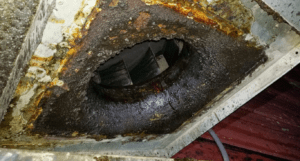
Proper installation ensures the system integrates seamlessly with your kitchen’s existing setup. Sensors and controllers must be placed strategically to optimize performance. It’s best to rely on professional installers who understand the technical requirements of these systems. Regular upkeep is essential for long term efficiency, this includes cleaning sensors, inspecting connections, and ensuring all components are functioning correctly. Staying proactive with maintenance helps the system operate at peak performance, maximizing energy savings and maintaining a comfortable kitchen environment.
What Are Common Questions from Restaurant Owners?
Many restaurant owners ask about compatibility with their current kitchen setup. These systems are generally designed to integrate with existing equipment, offering flexibility for various layouts. Another frequent question is about maintenance, regular cleaning of sensors and checking system components are key to keeping it running efficiently. Some also wonder about upfront costs; while the initial investment may seem significant, the long-term savings on energy bills often offset this expense, making it a worthwhile consideration for many kitchens.
What Are Some of The Benefits of Demand Controlled Ventilation Systems?
These systems contribute to a healthier kitchen by efficiently managing air circulation, which helps reduce excess heat, lingering odors, and airborne particles. This creates a more pleasant workspace for staff and can enhance overall productivity. By maintaining proper ventilation levels, the system supports compliance with safety and health standards, fostering a better environment for everyone. Additionally, their ability to adjust based on demand can help extend the lifespan of other kitchen equipment by preventing unnecessary strain.