Breathe Easy: Advanced Filtration Exhaust Hood Systems
Rick Moore
ECSi Team Member
Date Published: 11/18/2025
Table of Contents
Introduction to Advanced Filtration Systems
So, picture this: you’re whipping up your famous “slightly overcooked but still edible” chicken stir-fry, and suddenly your kitchen smells like a campfire gone wrong. Enter advanced filtration systems, the unsung heroes of your cooking disasters. These aren’t your run-of-the-mill exhaust hoods that merely wave at smoke as it drifts by. Nope, these beauties actually work, scrubbing your air like they’ve got something to prove.
Think of them as the bouncers of your kitchen, kicking out smoke, grease, and whatever else you’ve accidentally unleashed during your culinary experiments. They’re like your kitchen’s personal cleaning crew, except they don’t roll their eyes when you burn the garlic for the third time this week. And bonus: no awkward small talk required.
But wait, there’s more! These systems are also a quiet flex—because nothing says “I’ve got my life together” quite like an advanced filtration setup. Sure, your kitchen may still look like a tornado passed through, but the air? Absolutely pristine. It’s the kind of technology that makes you feel like you’re living in a futuristic sci-fi movie, minus the robots taking over.
And don’t worry, you don’t need to sacrifice style for substance. Advanced filtration systems come in sleek designs that won’t turn your kitchen into a lab experiment. So, whether you’re burning toast or conquering a five-course meal, these systems are ready to make you look (and smell) like a pro.
Health Benefits
You know that moment when your kitchen starts feeling like the inside of a campfire, and you’re pretty sure you’re inhaling more smoke than air? Yeah, not exactly ideal for your lungs or your vibe. Enter advanced filtration systems, the unsung heroes of healthy breathing. These bad boys work tirelessly to filter out all the gross stuff floating around in your kitchen air, like smoke, grease, and whatever mysterious particles were hiding in last night’s “experimental” recipe.
Not only do they clear the air (literally), but they also kick harmful pollutants to the curb before they can set up shop in your respiratory system. And let’s not forget about those sneaky allergens that love to hang out in your cooking zone. These systems are like bouncers at a VIP club, making sure only the good stuff gets through so your lungs can party like it’s 1999.
Oh, and if you’re prone to sneezing fits or random cough attacks while you’re just trying to make a grilled cheese, these systems might just save you from feeling like you’re in a constant battle with your own air supply. You don’t have to be a health nut to appreciate the beauty of breathing clean, pollutant free air. Because let’s be real, nobody looks cool hacking up a lung in their own kitchen.
Environmental Impact
Look, we all want to do our part for the planet, but not everyone’s ready to trade their car for a bike or start composting their coffee grounds like it’s an Olympic sport. That’s where advanced filtration systems swoop in, cape and all. These high-tech marvels don’t just make your kitchen air less tragic; they help reduce emissions and keep the nasties out of the atmosphere. Translation? You get to cook your questionable casseroles guilt-free, knowing you’re not turning the planet into an oven while you’re at it.
Think about it: instead of all that greasy, smoky mess getting launched into the great outdoors like some airborne trash parade, these systems trap it, filter it, and make it disappear. It’s like a magic trick, but with fewer rabbits and more environmental street cred. And hey, maybe you’ve never thought about your kitchen as a battlefield for eco-justice, but every little win counts.
Plus, let’s not forget that feeling of smug satisfaction. You’re not just frying bacon; you’re an unsung hero quietly helping the Earth breathe a little easier. So go ahead, use your advanced filtration system and channel your inner eco-warrior. Sure, you’re still burning dinner, but at least now you’re doing it with a clean conscience.
Economic Advantages
Let’s get down to the nitty-gritty: your wallet. Advanced filtration systems aren’t just there to make your kitchen smell less… dramatic. They’re also low-key financial wizards. For starters, they’re designed to be energy efficient, which means they don’t guzzle electricity like an old fridge from the ’80s. That’s right—these systems can actually help lower your energy bills. More money in your pocket equals more funds for important things, like pizza delivery when cooking feels overrated.
And let’s talk about maintenance costs. With advanced filtration, you’re not constantly shelling out cash for expensive repairs or replacements. These systems are built to last, kind of like your favorite pair of sweatpants that somehow survived college. A little routine upkeep is all it takes to keep them humming along happily, no middle-of-the-night emergency service calls required.
Here’s another sneaky benefit: the longevity of your other kitchen appliances. By keeping grease and grime from building up, these systems can help your range hood and ductwork live their best lives, translation: you won’t be replacing them anytime soon. It’s like getting a 2-for-1 deal without having to clip a single coupon.
So, while advanced filtration systems might seem like a fancy investment upfront, they’ve got your back in the long run, saving you cash and sparing you the pain of dealing with avoidable kitchen disasters.
Installation and Maintenance
Alright, let’s talk installing your ventilation hood system and maintenance, two words that usually make people groan louder than their smoke alarm during a cooking fail. But guess what? Advanced filtration systems don’t require a degree in rocket science or the patience of a saint to set up. Whether you’re starting from scratch or upgrading your current setup that’s older than your grandma’s casserole dish, the process is surprisingly straightforward. It’s kind of like assembling flat-pack furniture, except without the cryptic instructions or that one missing screw that ruins your day.
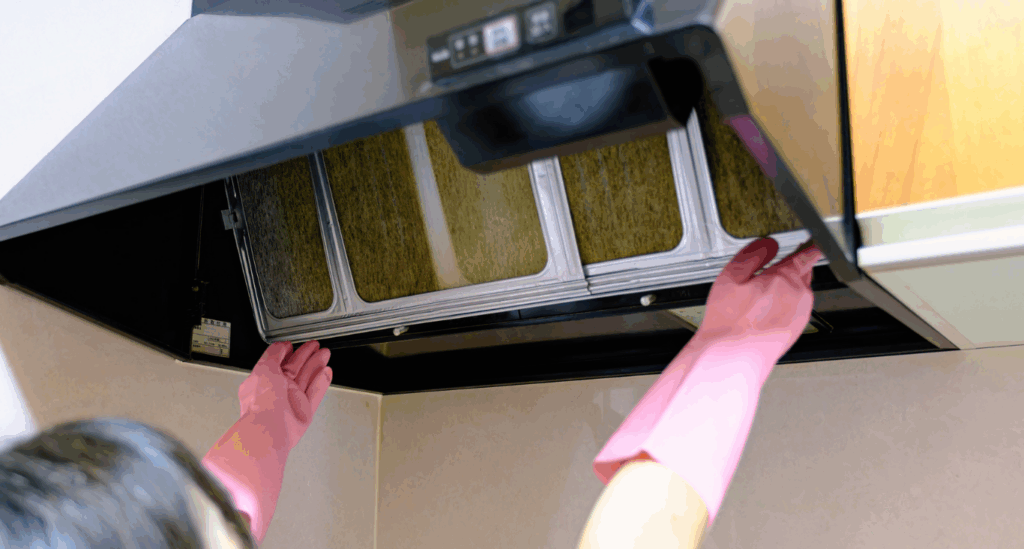
And when it comes to maintenance, these systems practically take care of themselves. Okay, not literally but close. A quick wipe here, a filter change there, and you’re golden. Plus, most models are built with easy-to-access components, so you’re not stuck playing an awkward game of Twister trying to clean them. It’s less “Why did I decide to adult today?” and more “Wow, I’m really crushing this responsible human thing.”
Bonus: keeping your system in good shape isn’t just about extending its lifespan—it’s also about keeping it working at peak performance. Think of it like giving your car an oil change, except way less greasy and no waiting in line at the mechanic. So, grab your cleaning cloth, channel your inner maintenance guru, and let your filtration system keep doing its thing without any drama.
Regulatory Compliance
Look, nobody wakes up excited about regulatory compliance. It’s not exactly the life of the party. But, spoiler alert: ignoring it isn’t really an option unless you enjoy hefty fines and the kind of paperwork nightmares that haunt you in your sleep. That’s where advanced filtration systems come in, acting like your overachieving friend who always remembers the rules so you don’t have to. These systems are built to meet the latest industry standards, keeping you on the right side of every regulation without you even breaking a sweat.
Imagine it: you’re doing your thing in the kitchen, and these systems are quietly making sure you’re not accidentally violating some obscure code about air quality. No stress, no frantic Googling, just clean air and peace of mind. Plus, staying compliant isn’t just about avoiding trouble—it’s also about showing the world (and your customers, if that’s your jam) that you’ve got standards. High ones.
So while the phrase “regulatory compliance” might not spark joy, having an advanced filtration system that handles it for you? Now that’s something to celebrate. Just think of it as your invisible partner-in-crime (minus the crime) making sure your kitchen stays legit while you’re busy burning dinner.
Conclusion and Future Outlook
Alright, here’s the deal: advanced filtration systems are basically the MVPs of your kitchen. They swoop in, clean up the air like pros, and somehow make you feel like you’ve got your act together; even when your dinner looks like something straight out of a cooking fail meme. But let’s not stop at today. The future of these systems? It’s looking brighter than the flash on your phone camera.
We’re talking smarter tech, more energy efficiency, and designs so sleek they’ll have your guests asking if you hired a personal chef. Imagine a system that not only scrubs the air but maybe even texts you when it needs a filter change. Okay, we’re not there yet, but give it time. The way things are going, your advanced filtration system might just end up being smarter than your smartphone and probably less judgmental about your cooking skills.
So, whether you’re in it for the clean air, the health perks, or just the chance to look like you know what you’re doing in the kitchen, advanced filtration has you covered. And who knows? Maybe one day, these systems will even figure out how to keep you from burning toast. Until then, breathe easy and enjoy the ride, your kitchen just leveled up.
For more information on restaurant exhaust hood systems, be sure to read our following related articles. Also, don’t forget to take a look at our most FAQs below.
FAQs
What are Advanced Filtration Exhaust Hood Systems?
Advanced Filtration Exhaust Hood Systems are vital for maintaining cleaner air in commercial kitchens and industrial spaces. They efficiently remove pollutants, including grease, smoke, and odors, to help meet strict air quality standards.
These systems rely on a combination of fans, ductwork, and specialized filters to manage airborne contaminants and promote a healthier indoor environment. By reducing exposure to harmful substances, they play an important role in ensuring the safety and comfort of employees and customers alike. Understanding how these systems function and their benefits can help businesses make informed decisions about air quality solutions.
How Do Advanced Filtration Exhaust Hood Systems Work?
These systems rely on fans to pull contaminated air into the hood, where multiple filters capture grease, particulates, and odors. The air passes through layers of filtration, each designed to trap specific pollutants, such as grease particles or fine debris. The cleaned air is then either recirculated back into the indoor space or vented outside.
High-quality filters play a crucial role in ensuring effective pollutant removal, while ductwork helps guide the air through the system efficiently. Advanced Filtration Exhaust Hood Systems are engineered to handle various air contaminants, making them essential for maintaining a safer and cleaner indoor atmosphere.
What Are the Key Benefits of Using These Systems?
These systems promote a healthier environment by improving indoor air quality and reducing harmful airborne substances. Enhanced air purification helps prevent respiratory issues, contributing to better employee well-being and productivity.
Additionally, they support energy efficiency by allowing commercial HVAC systems to perform optimally, which can lower energy costs. Advanced Filtration Exhaust Hood Systems also help businesses comply with air quality regulations, minimizing potential fines and operational disruptions.
What Types of Filters Are Used in These Systems?
These systems utilize grease filters for trapping larger particles, carbon filters for odor control and capturing volatile organic compounds, and HEPA filters for high-efficiency removal of fine particles. The choice of filters depends on factors such as the specific pollutants, air volume, and environmental requirements. Proper selection and maintenance of filters ensure the system functions effectively in capturing contaminants and promoting cleaner air.
How Often Should Filters Be Replaced or Maintained?
Filter replacement frequency depends on usage, filter type, and environmental conditions. Grease filters typically need cleaning or replacement every one to three months, while carbon and HEPA filters may last six months to a year. Regular inspections are necessary to identify signs like decreased airflow, unusual system noise, or lingering odors, which indicate maintenance is required. Proper care ensures filters continue to function effectively, helping to maintain air quality and system performance over time.
What Are the Installation and Maintenance Considerations?
Proper installation requires following manufacturer instructions and consulting skilled professionals to ensure the system is correctly set up. Maintenance involves tasks like cleaning or replacing filters, checking ductwork for damage, and ensuring fans are operating efficiently.
Regular inspections help identify potential issues early, preventing costly repairs and maintaining peak performance. By adhering to a consistent maintenance schedule, businesses can ensure the system runs effectively, supports air quality standards, and operates efficiently for an extended period.