Smart Sensing Technology: Hoods That Sniff Out Bad Air Like a Pro

Picture of Rick Moore

Rick Moore

ECSi Team Member
Date Published: 2/19/2026

Smart Sensing Technology Exhaust Hoods Help Get Rid of Bad Air!

Table of Contents

Introduction to Smart Sensing Technology

Let’s face it, your kitchen might be a battleground of questionable culinary experiments and the occasional smoke alarm symphony. Enter Smart Sensing Technology, the MVP you didn’t know you needed. These exhaust hoods don’t just sit there looking pretty—they come armed with PM2.5 sensors, which is a fancy way of saying they’ve got their noses in the air for anything sketchy. Think of them as the overachievers of the appliance world, ready to jump into action at the first whiff of pollution.

Cooking bacon? It’s on. Accidentally charred that toast? Already handled. These hoods detect bad air vibes and flip on automatically, sparing you the embarrassment of waving a dish towel at your smoke alarm like you’re conducting a tiny orchestra. It’s like your kitchen got its own undercover air quality inspector, except this inspector works silently and doesn’t ask awkward questions about why your frying pan smells like failure.

Let’s be real—your appliances are officially smarter than your group chat. This kitchen exhaust hood doesn’t wait for an invite; it shows up unannounced when things get messy, like the friend who always knows when to bring pizza. Sure, it’s a little extra, but honestly, who isn’t these days? Welcome to the era where even your air has standards.

How Air Quality Sensors Work

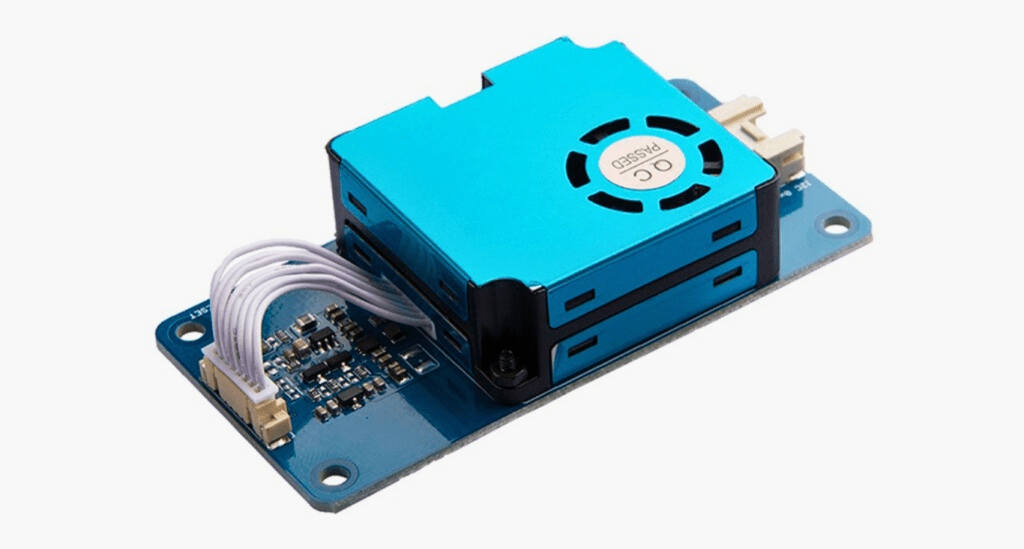
PM2.5 Air Quality Kitchen Exhaust Hood Sensor.

Alright, let’s break it down. These PM2.5 sensors are like the Sherlock Holmes of air quality. They’re out here sniffing around for microscopic troublemakers—tiny particles that you can’t see but definitely don’t want hanging out in your lungs. Think of them as your kitchen’s private investigator, but instead of solving crimes, they’re solving the mystery of why your kitchen smells like a campfire after you sear a steak.

Here’s the deal: PM2.5 refers to particulate matter that’s smaller than 2.5 micrometers. Translation? It’s the annoying stuff floating around that makes the air feel heavier than your food coma after Thanksgiving dinner. These sensors can detect those sneaky particles and decide when it’s time to spring into action. They basically act like that one friend who side-eyes your questionable choices and says, “Nope, not today.”

Once the sensor picks up on pollution like smoke, grease, or whatever science experiment you’ve got going on in the oven it triggers the hood to fire up automatically. No buttons, no yelling, no awkwardly waving the back of a magazine at your smoke detector. It’s like magic, except it’s science, which is way cooler. So yeah, your exhaust hood is officially smarter than your middle school science fair volcano. Who knew?

Benefits of Automatic Air Quality Detection

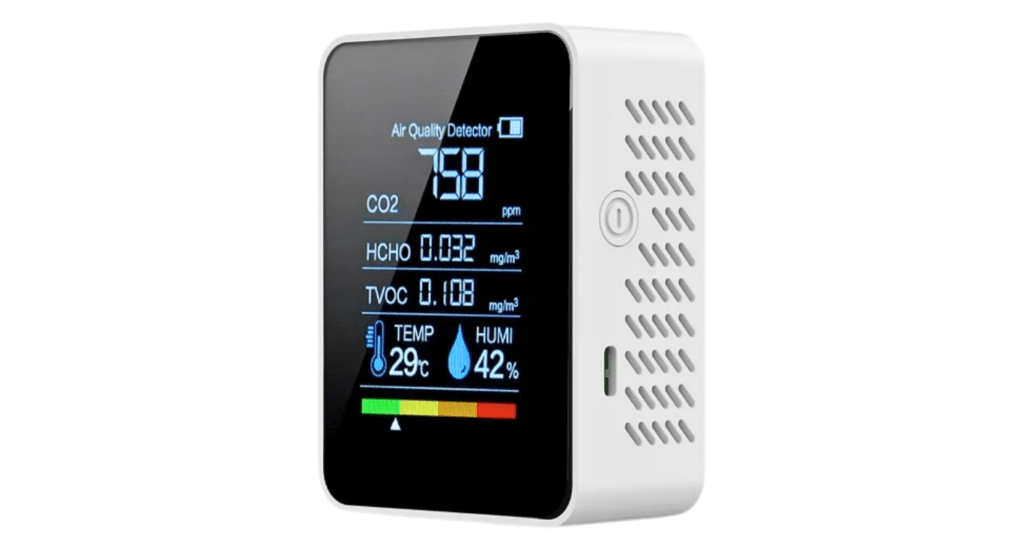
Automatic Air Quality Detection Device.

Alright, let’s talk perks. First off, your lungs are going to love this upgrade. Automatic air quality detection means you can sauté, fry, and flambé without feeling like you’ve turned your kitchen into a smoke-filled rave. Your hood swoops in like a superhero, saving the day (and your airways) without you lifting a finger. It’s like having a personal assistant, except this one doesn’t demand coffee breaks or talk about its weekend plans.

And let’s not forget the sheer joy of not having to scrub greasy fingerprints off your kitchen exhaust hood because, surprise, you didn’t need to touch it. Imagine whipping up your latest culinary masterpiece or let’s be real, heating up frozen pizza while your exhaust hood handles the dirty work. No buttons to push, no switches to flip. It’s like the gadget version of someone cleaning up after you, but without the judgmental side eye.

Oh, and energy efficiency? Big bonus. This thing doesn’t just run all the time like some overachiever; it turns on when needed and powers down when it’s not. That means fewer guilt trips about your electricity bill or the planet. It’s almost like the exhaust hood is sitting there saying, “Don’t worry, I got this,” which, honestly, we all need more of in our lives.

Convenience, cleaner air, and less effort from you what’s not to love? Just don’t get too attached. This exhaust hood is not here to replace your HVAC system or you; it’s just here to make you look way more put together than you actually are.

Challenges and Considerations

Performing Maintenance on Your Kitchen Exhaust Hood is Very Important.

Alright, so before you get all starry eyed over the idea of your exhaust hood being the next tech genius in your kitchen, let’s sprinkle in some reality. For starters, these sensors can sometimes be a little dramatic. Burned a single piece of toast? Your exhaust hood might spring into action like it’s been called to save the world. On the flip side, it’s not a mind reader. If you’re setting off a smoke show worthy of a rock concert, and it’s not picking up the cues, you might still need to give it a nudge.

Then there’s the exhaust hood and air vent installation part. Depending on your setup, getting one of these bad boys up and running might be more complicated than trying to assemble flat pack furniture without the instructions. Not exactly a weekend DIY if you’re not into tools or patience. And let’s talk budget. This kind of fancy tech doesn’t come with a thrift store price tag. Sure, it’s an investment in your home and air quality, but it might also mean eating ramen for a month (and hey, at least your hood will handle the steam).

Oh, and remember those microscopic particles it’s sniffing out? Not every sensor is built the same. Some are more sensitive than others, so choosing the right model means doing a little detective work of your own. And no, flipping a coin doesn’t count as research.

Lastly, exhaust hood and air vent maintenance is a thing. Like any tech, these hoods need a little TLC to keep doing their thing. Filters need cleaning or replacing, and while the sensors are impressive, they aren’t immortal. So yes, while it’s fun to imagine your kitchen as a futuristic command center, don’t forget to roll up your sleeves and keep it in check. Cool tech isn’t completely set it and forget it yet.

Future of Smart Sensing in Home Appliances

The Future of Smart Sensor Technology is both Exiting and Unknown!

Okay, let’s talk about where this tech is heading spoiler: it’s going places. Imagine a world where your kitchen appliances have more brainpower than your high school science teacher. Exhaust hoods that not only detect air pollution but also analyze it, give you a full report, and adjust their performance accordingly? Yeah, that’s not science fiction; it’s the direction we’re headed. Soon, these sensors might tell the difference between smoke from your attempt at a homemade barbecue sauce and the “oops, forgot about the cookies” kind of chaos.

And it’s not just about hoods. We’re on the brink of seeing this tech infiltrate all corners of the house ovens that adjust cooking temps based on air quality, dishwashers that know when to dial down water usage, and fridges that might one day side eye you for letting leftovers grow their own ecosystems. Your appliances are getting smarter, and honestly, a little judgy. But hey, if it means fewer weird smells and less guesswork, bring it on.

This isn’t just about convenience either. It’s about creating a home that’s more efficient, healthier, and maybe just a smidge smarter than we are. Let’s face it, our homes are becoming the overachievers of the future, and we’re just lucky to be along for the ride.

Conclusion

Alright, here’s the deal: Smart Sensing Technology isn’t just some flashy gadgets flex it’s like having a kitchen sidekick that actually pulls its weight. Forget the days of frantically flapping a kitchen towel in front of the smoke alarm like you’re auditioning for a modern dance troupe. With this kind of tech, you can finally focus on what matters: pretending you know how to cook.

But let’s be real here. This isn’t just about showing off to your dinner guests (though, fair warning, they’re going to be impressed). It’s about creating a space that makes life easier, cleaner, and maybe even a bit cooler. Who wouldn’t want an appliance that does the heavy lifting while you take all the credit? Your exhaust hood is out here working overtime so you can stay in your comfort zone whether that’s gourmet meals or heating up leftovers from last Tuesday.

And hey, the future’s looking even brighter or should we say, cleaner. This is just the tip of the iceberg when it comes to what our homes are capable of. Today, it’s a hood that sniffs out bad air. Tomorrow? Who knows, maybe a fridge that finally stops you from forgetting that half eaten salad. The possibilities are endless, but one thing’s for sure: this tech is all about making you look good while doing as little as possible. A dream come true, really.

So go ahead, embrace the era of smart kitchens. Your appliances might be evolving faster than your cooking skills, but hey, progress is progress. Just remember to act surprised when someone compliments your perfectly ventilated kitchen. “Oh, this old thing? It’s nothing, really.” We’ll keep your secret.

For more information and tips on residential and commercial kitchen exhaust hoods, be sure to read our following related articles.  Also, be sure to check out our most asked questions with answers regarding smart sensing technology in kitchen exhaust hoods. 

FAQs

What is Smart Sensing Technology in Kitchen Exhaust Hoods?

Kitchens are becoming smarter than ever, thanks to advancements in technology. Smart sensing is a game changer for kitchen exhaust hoods, offering solutions tailored to modern lifestyles. These innovative systems use cutting edge technology to address common challenges in maintaining a clean and comfortable cooking environment. By monitoring changes in the air, such as smoke or humidity, they respond automatically, ensuring proper ventilation without the need for constant manual adjustments. Beyond convenience, smart sensing introduces a level of precision that was previously unavailable, setting new standards for efficiency in the kitchen.

Smart sensing technology relies on advanced sensors to monitor environmental changes in the kitchen, such as heat, smoke, and humidity. These sensors gather real time data and send it to a processor equipped with algorithms that analyze the conditions. Based on this analysis, the exhaust hood adjusts its fan speed and ventilation settings automatically to address the detected changes.

For instance, if a spike in smoke is identified, the system responds immediately by increasing airflow to clear the air. This automated process ensures that the kitchen remains comfortable and safe without requiring constant user input. The precision of these systems allows them to react efficiently and effectively, enhancing both the cooking experience and overall air quality.

Smart sensing technology optimizes kitchen exhaust hoods by adapting to real time conditions, making cooking environments more pleasant and healthier. By automatically adjusting to changes like smoke or heat, these systems reduce the effort required to maintain proper ventilation.

This technology also enhances energy efficiency by operating only as needed, helping users save on energy costs. The ability to monitor and respond precisely means less wear and tear on the system, increasing its lifespan. With features that simplify upkeep and improve performance, smart sensing technology ensures a cleaner, more efficient kitchen experience tailored to the demands of modern living.

Smart sensing kitchen exhaust hoods enhance convenience by connecting with smart home devices, offering control through voice commands or apps. This compatibility allows users to adjust settings, monitor air quality, or schedule ventilation effortlessly. With remote access, it’s easy to manage your kitchen environment, even while away.

As technology advances, the future of smart sensing in kitchen exhaust hoods looks promising. Improved sensor accuracy could lead to faster responses to air quality changes, while more energy efficient designs may reduce environmental impact. Integration with emerging smart home systems could expand, offering greater customization and seamless control. Innovations might also include predictive features, such as systems that anticipate heating and cooling ventilation needs based on cooking patterns.

Additionally, enhanced connectivity could enable remote diagnostics and automatic software updates, ensuring peak performance over time. With these developments, kitchens are poised to become more intuitive and efficient, catering to the evolving needs of users.

Related Articles

Scroll to Top