What Exactly Is a HEPA Filter, Anyway?
Rick Moore
ECSi Team Member
Date Published:
Table of Contents
Introduction to HEPA Filters
Ah, the HEPA filter—a name so scientific it sounds like something NASA would use to clean rocket fuel. But don’t let the intimidating acronym fool you; it’s actually the unsung hero of the air-quality world. In simple terms, a HEPA filter is like the VIP section for air particles. It’s got one job: to block dust, pollen, and all those microscopic freeloaders from invading your breathing space. Think of it as the ultimate bouncer—firm, efficient, and totally overqualified for the job.
Now, I know what you’re thinking: “Isn’t my regular old air filter doing enough?” Sure, if by “enough,” you mean letting half the junk waltz right through. HEPA filters, on the other hand, don’t mess around. They’re designed to capture the tiniest troublemakers, those particles so small they’d otherwise slip under the radar like teenagers sneaking into an R-rated movie. It’s science-y magic, minus the smoke and mirrors.
So, whether your house feels like a dust carnival or you’re just tired of playing guessing games with your allergies, a HEPA filter might be the sidekick your home needs.
How HEPA Filters Work
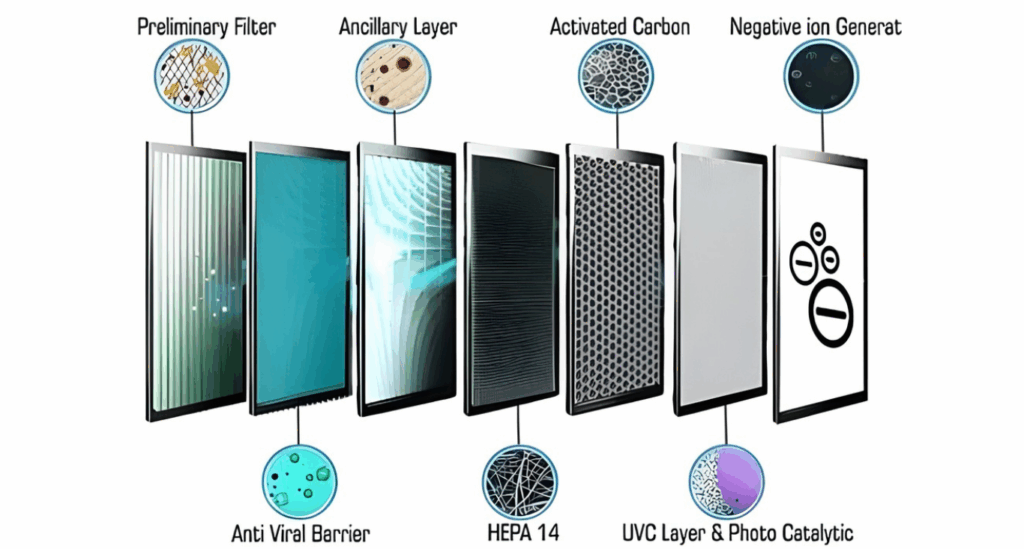
Alright, let’s talk about what makes a HEPA filter tick—because it’s not just a glorified piece of fluff, okay? Inside this air-cleaning marvel is a dense, maze-like mat of fibers that’s out here doing the most. When air flows through it, the fibers pull off a triple-threat maneuver to trap unwanted particles.
First, larger particles like dust and pollen are politely stopped in their tracks—think of it as the “you’re not on the list” moment. Then, for the smaller troublemakers, the fibers snag them as they try to sneak through. And finally, for the tiniest of the tiny, the filter pulls out the big guns: diffusion. Basically, these microscopic punks zigzag around like they’re tipsy and end up trapped anyway. It’s the air filter equivalent of checkmate.
But here’s the kicker—this process isn’t just about brute force. It’s all about finesse, catching particles as small as 0.3 microns (we’re talking stuff you can’t even see, like some bacteria and smoke particles).
Meanwhile, clean air is allowed to pass right through like a VIP, leaving behind a trail of freshness that your lungs will want to send a thank-you card for. It’s almost unfair how good these filters are at what they do—like they were custom-designed to embarrass your old standard air filter. But hey, if you’re going to upgrade, might as well do it in style, right?
Benefits of Using HEPA Filters
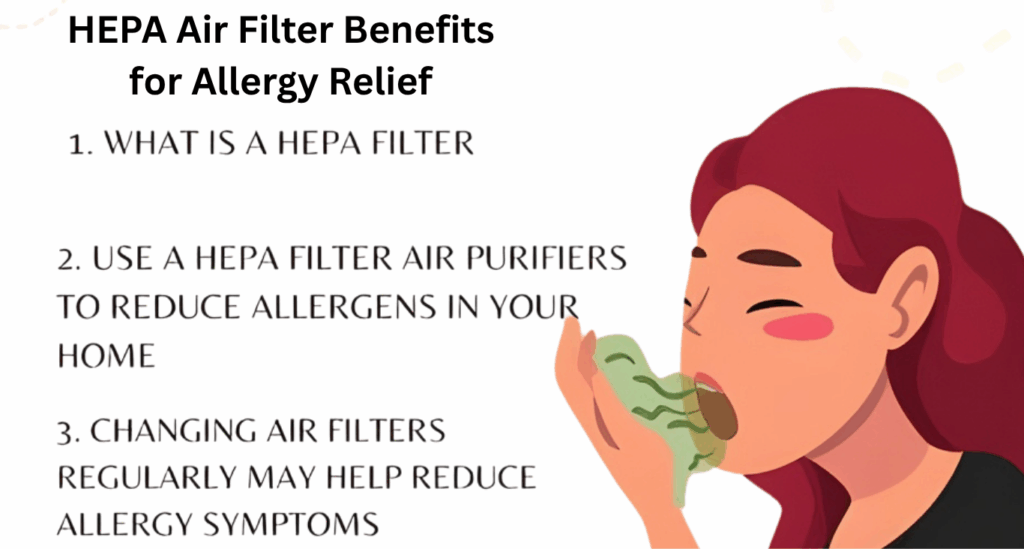
Ever feel like your house has a secret deal with dust to just keep producing it non-stop? Enter the HEPA filter, ready to cancel that shady partnership. These magical mats of fiber not only trap dust but also tackle pollen, pet dander, mold spores, and even some bacteria—basically all the stuff you didn’t realize you’ve been inhaling like it’s an all-you-can-breathe buffet. Got pets? No problem. A HEPA filter can handle that fluff hurricane your furry roommate creates without breaking a sweat.
And hey, let’s not forget allergy season, a time when every sneeze feels like Mother Nature personally hates you. While your sinuses are waving the white flag, your HEPA filter is out here waging war on the allergens trying to make your nose their summer home. Less sneezing, more breathing—it’s a win-win.
Oh, and if you’re someone who swears you don’t snore, maybe it’s just all that junk in the air clogging things up. Cleaner air could mean quieter nights—unless your partner’s snoring is the real villain, in which case, well, good luck with that.
Here’s the kicker: by reducing airborne particles, a HEPA filter can even help your HVAC system last longer. Less gunk floating around means less gunk getting into the heating and air conditioning system, which means fewer breakdowns and expensive heating and cooling repairs. Who doesn’t love saving a buck while breathing air that doesn’t feel like it came straight from the Sahara?
Choosing the Right HEPA Filter for Your Home
Picking a HEPA filter isn’t rocket science, but it’s also not a grab-whatever’s-on-sale situation. First, figure out your priorities. Got pets? You’ll want a filter that can handle all that fur and dander your furry friend lovingly contributes to your air. Live in a dusty area? Go for something with extra dust-busting power. And don’t forget about the size of your space—getting a filter designed for a closet when you’ve got a living room the size of a small nation isn’t going to cut it.
Next up, budget. Some HEPA filters come with all the bells and whistles, like reusable options or extra layers for odors. Fancy, sure, but maybe not necessary unless your home doubles as a kennel or a smoker’s lounge. On the flip side, going too cheap might land you with a filter that works about as hard as a teenager cleaning their room. Look for that sweet spot between effectiveness and cost—you want clean air without feeling like you’ve bought stock in the filter company.
And hey, don’t forget to check your HVAC system’s compatibility. The wrong filter size is like trying to shove your foot into a shoe two sizes too small—frustrating and totally unnecessary. Take a minute to measure or check the specs before making your purchase. Trust me, your lungs—and your wallet—will thank you.
Maintenance and Care for HEPA Filters
So, you’ve got yourself a HEPA filter—congrats, you’re officially winning at adulting. But before you kick back and let it handle all your air-cleaning woes, let’s talk upkeep. These miracle workers don’t stay miracle-y forever. If you think you can just install it and forget about it, well, your lungs might have something to say about that in a few months.
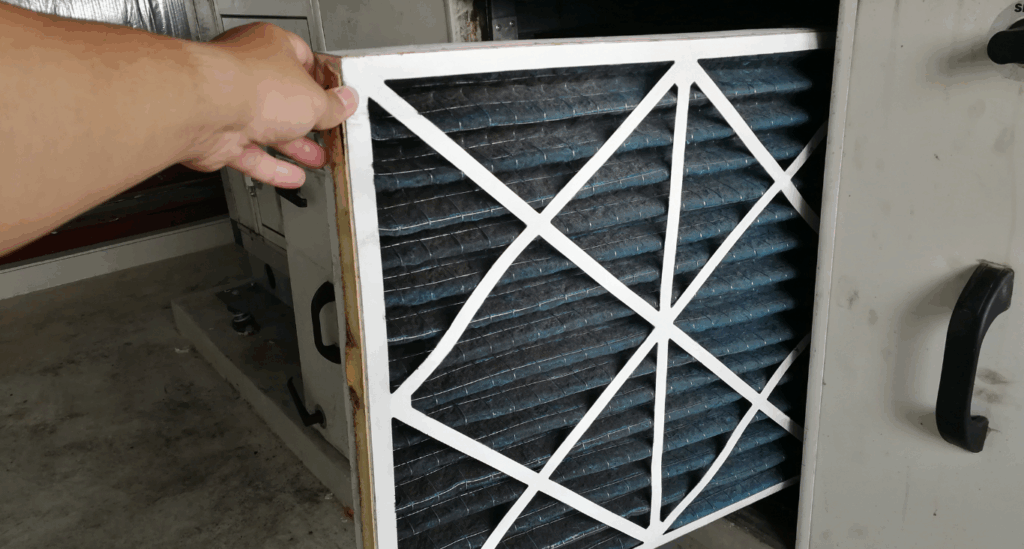
First off, check the manufacturer’s instructions. I know, instructions are boring, but trust me, winging it isn’t a great plan here. Some filters are disposable (easy enough, toss it when it’s done), while others are reusable and need a little TLC, like a rinse or vacuuming. HVAC specialists tip: if your reusable filter looks like it’s been through a dust storm, it’s probably crying out for help.
And let’s not forget replacement schedules—every six to twelve months is the general rule, depending on how much you’re using it. Got pets, kids, or live somewhere that seems to generate dust like it’s an Olympic sport? You might need to swap it out sooner. Running a filter into the ground isn’t doing anyone any favors, especially for the lifespan of your HVAC system.
Oh, and a friendly reminder: don’t wait for it to smell like an old gym sock before you check it. Your nose might adapt, but your air quality sure won’t. A little maintenance now beats breathing in last year’s dust collection.
HEPA Filters and Energy Efficiency
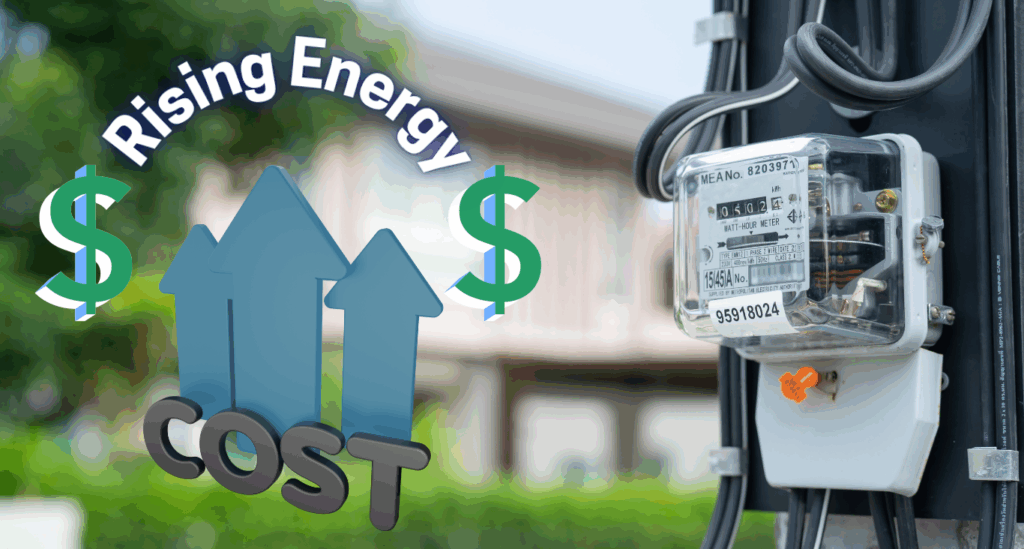
Let’s talk energy use, because no one wants their air purifier to moonlight as a power-hungry villain. Yes, HEPA filters can nudge your energy bill up a smidge, but let’s keep this in perspective—it’s not like you’re powering a theme park over here. The slight increase comes from your heating and air conditioning system working a bit harder to push air through that high-performance filter. But hey, it’s a small price to pay for not inhaling a cloud of who-knows-what every time you take a breath.
Here’s the good news: you can totally avoid giving your utility company extra love letters. Keep your cooling and heating system well-maintained and your filter clean, and you’ll help everything run smoother—like swapping out those sneakers you’ve had since high school for something that doesn’t scream “I’ve been through things.” And if you’re really looking to tighten the budget, run your system strategically. Nobody needs pristine air 24/7 unless you’re auditioning for a role in a germ-free bubble.
Bottom line? A little maintenance and common sense go a long way in keeping your air clean and your wallet intact. Plus, you’re doing your lungs a solid, so maybe they’ll stop complaining every spring.
Common Myths About HEPA Filters
Let’s clear up some of the tall tales floating around about HEPA filters. First off, no, slapping a HEPA filter onto your old or new HVAC system won’t suddenly make your home feel like a five-star spa in the mountains. It’s not magic—it’s filtration. Sure, it captures a ton of nasty stuff, but don’t expect it to wipe out every single speck of dust or eradicate all germs. It’s not a miracle worker; it’s just really, really good at its job.
Another favorite myth? HEPA filters will completely destroy your energy efficiency. Okay, yes, they’re a bit denser than regular filters, but as long as your residential or commercial HVAC system is well-maintained, it’s not going to turn your energy bill into a horror movie. A little extra effort for cleaner air? Totally worth it.
And let’s not forget the “set it and forget it” myth. HEPA filters aren’t immortal—they need regular checkups and replacements to keep performing like champs. Treat them like a teammate, not a one-time fix, and they’ll deliver.
Bottom line: HEPA filters are awesome, but they’re not magic wands. Use them wisely, and they’ll do their part without overpromising like a late-night infomercial.
Conclusion
Now that you have an understanding of what an HEPA air filter is and both the benefits and disadvantages of them, you should be prepared to provide better air quality in your restaurant, home, or office. For more informative articles and tips on gas line installation, outdoor firepits, restaurant exhaust hood installation, and heating and cooling hacks, be sure to read our following related articles.