Licensed Pros and Gas Lines: Because Explosions Stink
Author: Rick Moore
ECSi Team Member
Date Published: 10/28/2025
Table of Contents
Introduction to Gas Line Work
Let’s talk about gas line work—because who doesn’t love a home improvement project that could literally blow up in your face? It’s not exactly assembling IKEA furniture, folks. Sure, we all love a good DIY moment, but this one’s not about slapping on some gloves, grabbing a wrench, and channeling your inner handyman.
Gas lines are a whole other ball game, and unless you’ve secretly been moonlighting as a certified gas line technician, you’re probably not equipped to handle it. Messing with gas lines is like trying to cut your own bangs—you think you’ve got it under control, but one wrong move, and suddenly it’s a disaster you’re living with for a long, long time.
So, unless you’re itching to explain to your insurance company why your house now has a skylight you didn’t order, maybe consider calling in someone who actually knows what they’re doing.
Risks of DIY Gas Line Projects
Look, we get it. You’re feeling ambitious, the YouTube tutorial seemed easy enough, and the idea of saving a few bucks sounds fantastic. But gas line work isn’t some Pinterest craft project where the worst-case scenario is glitter everywhere. This is playing with literal fire—well, gas, but you get the point. One wrong twist of a wrench, one overlooked detail, and suddenly your “money-saving project” is a full-blown emergency.
Let’s not even start on the gas leaks that could turn your cozy living room into a no-go zone faster than you can say, “What’s that smell?” Oh, and fun fact: natural gas is highly flammable. So, while you’re busy guessing whether that connection is tight enough, your home could be auditioning for its debut on the local news.
Unless you’re craving an unplanned meeting with the fire department or the not-so-friendly reminder that insurance companies hate preventable disasters, maybe stick to assembling bookshelves and leave the gas line work to someone whose day job doesn’t involve Googling “how to fix a gas leak.” This isn’t a test of your bravery—it’s a test of your sanity. Proceed with caution, or better yet, don’t proceed at all. Call the pros. Seriously.
Benefits of Hiring Licensed Professionals
Look, you could try your hand at gas line work, but do you really want to be that person Googling “is it bad if my house smells like a campfire?” Licensed installation and repair professionals don’t just wing it—they’re trained, certified, and know the difference between “tight enough” and “oops, that’s leaking.” They show up with all the right tools, not your uncle’s rusty wrench set from 1983, and they actually know what to do with them. Plus, they’re like walking encyclopedias of safety codes and regulations.
Trust me, you don’t want to guess your way through something that could literally explode. Hiring a gas line repair and installation professional means you get to avoid the awkward post-disaster conversations with your neighbors about why your lawn furniture is now scattered across three counties. And let’s not overlook the best part: you don’t have to lift a finger or pretend to understand what “psi” stands for.
Understanding Licensing and Certification
When it comes to gas line work, not just anyone with a toolbox and a winning smile should be poking around. Licensed professionals don’t get their status from a vending machine; it’s earned. They’ve had to hit the books, pass exams, and put in hours of hands-on experience. Think of it like this: if gas line certification were a reality show, only the most prepared contestants would survive to the finale. These pros are tested on everything from safety protocols to the most obscure regulations that you didn’t even know existed.
And here’s a fun fact: licensing isn’t a “set it and forget it” deal. Many states require professionals to renew their certifications regularly, ensuring they stay up-to-date with all the latest safety standards. It’s like the universe’s way of saying, “No slacking off!” So, when you hire someone, you’re not just paying for their current skills—you’re paying for their dedication to keeping those skills razor-sharp.
Oh, and don’t forget to ask to see their credentials. Any reputable professional will happily flash their license like it’s their VIP pass. If they act sketchy or avoid the question, that’s your cue to back away and maybe hit the “block” button. Trust me, the only surprises you want with gas line work are the ones that don’t exist.
Cost Considerations
Let’s get real, sticking to a budget is great and all, but when it comes to gas lines work, cutting corners isn’t exactly a winning strategy. Sure, hiring a licensed commercial pro might seem like a splurge compared to your “I can do this with duct tape and a prayer” approach, but think about what you’re really paying for here. These experts aren’t just charging you for their time—they’re charging you for peace of mind, for knowing your house won’t suddenly star in a fireworks display. And honestly, that’s worth more than skipping your morning latte for a week.
Prices can vary depending on how complicated the job is, where you live, and the experience of the professional. Yeah, sometimes the quote might make you wince, but let’s compare that to the cost of, oh, I don’t know, replacing a wall—or the roof. Or the bill for calling emergency services because you tried to channel your inner repair and maintenance technician and things went horribly wrong.
When you hire someone who actually knows what they’re doing, you’re investing in a job done right the first time, not some temporary patchwork solution that’ll come back to haunt you. Remember, safety isn’t a splurge—it’s the best deal you’ll ever get.
Choosing the Right Professional
Finding the right professional for your gas line work isn’t a game of Eeny, Meeny, Miny, Moe. This is your home we’re talking about, not a weekend art project gone rogue. Start by doing a little detective work—check reviews, ask friends, maybe even stalk their social media if you’re feeling extra. A solid track record is key here, so if you see someone with glowing reviews and zero mentions of “accidental explosions,” that’s a good sign.
When you actually chat with them, don’t be shy—channel your inner talk-show host and ask all the questions. What’s their experience? Do they specialize in gas lines, or are they more of a “jack of all trades, master of none” situation? And seriously, if they hesitate to show their license or start dodging questions like a bad date, consider it a red flag the size of Texas.
Oh, and don’t let price be your only deciding factor. Sure, saving a buck is tempting, but “cheap” and “safe” don’t always go hand in hand. You want someone who knows what they are doing.
Case Studies and Real-life Incidents
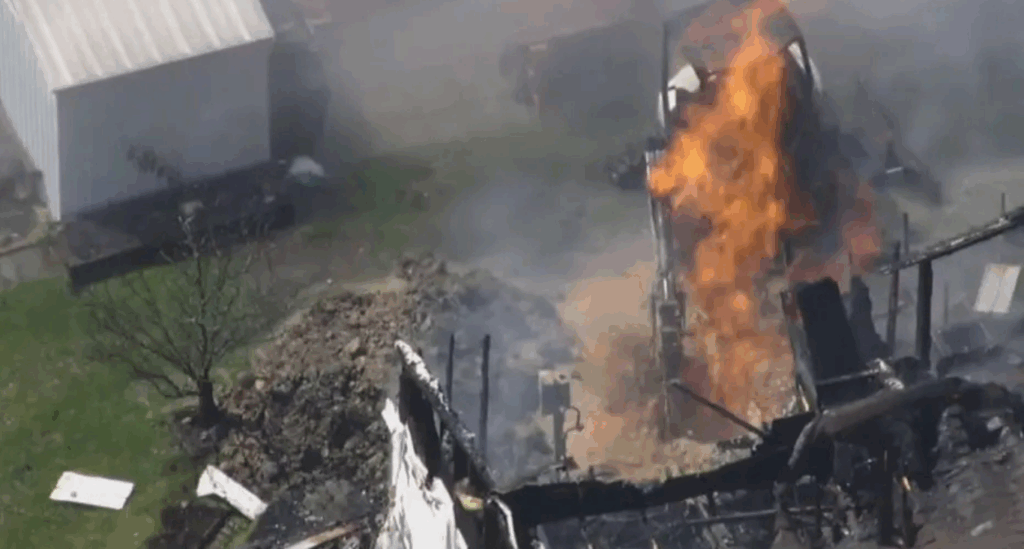
Ah, the tales of gas line adventures—some scary, some downright absurd, all avoidable. Take, for example, that one guy who thought, “How hard can it be?” and ended up creating a backyard fountain of flames. Spoiler: it’s not supposed to do that. Then there’s the couple who decided to save a few bucks by tackling their own gas lines repair work, only to realize their “fix” had turned their basement into a scene from a disaster movie—complete with gas leaks that sent everyone running for fresh air. Fun times, right?
On the flip side, there’s the homeowner who called in a licensed pro and spent their evening binge-watching TV instead of searching online, “why is my house hissing?” No drama, no charred furniture, just a job well done and zero anxiety. So, whether it’s DIY disasters or professional problem-solving, the stories all point to one thing: unless you want to be the main character in your neighborhood’s cautionary tale, it’s best to leave the gas line heroics to the experts.
Conclusion
So, here’s the deal: gas line work isn’t the time to play hero or prove to your in-laws that you’re handy. You’re not auditioning for a reality show where one wrong move earns you a consolation prize of charred curtains and a fire marshal’s visit. The truth is, bringing in a licensed gas lines and heating pro is the ultimate cheat code for avoiding the kind of drama you don’t need in your life. They’ve got the tools, the training, and—most importantly—the ability to keep your home cool and in one piece.
Think about it: do you really want your weekend to include a side of panic and frantic calls to emergency services? Probably not. Handing off the hard stuff to someone who actually knows what they’re doing lets you skip the headaches and spend your time doing literally anything else—like binge-watching TV or attempting to bake something that doesn’t end in smoke alarms.
At the end of the day, paying for peace of mind is always a better deal than whatever duct-tape solution you were considering. So, sit back, relax, and let the experts handle the scary stuff. And hey, you’ll still get to be a hero—for keeping your house intact and your neighbor’s drama-free.
For more information on gas lines, be sure to check out our FAQ’s and related articles.
Frequently Asked Questions
What Is the Purpose of Gas Line at My Home?
Gas lines are essential for delivering natural gas or propane to power appliances like stoves, heaters, and water heaters. If you’re considering switching from electric to gas appliances or adding new gas-powered equipment, installing gas lines is a necessary step.
The process involves connecting your home to a main gas supply and running lines to the appliances that need them. It’s important to be aware of local regulations, as permits may be required before installation begins. Working with a licensed professional ensures compliance with safety standards and proper handling of materials. Gas lines are a reliable and efficient option for powering various home systems, helping improve energy efficiency and reduce overall utility costs.
What Are The Costs?
The cost of installing gas lines can vary based on several factors, including the length of the line, the materials required, and any modifications needed for your current setup. If trenching or significant structural changes are required, these can add to the overall expense. Some homes may need additional upgrades, such as pressure regulators or new appliance connections, which also impact the total cost.
Comparing estimates from multiple contractors can help you find a competitive price while ensuring quality work. Some professionals may offer package deals if you’re installing multiple gas-powered appliances at once. It’s also worth asking about potential rebates or incentives that might be available through your local utility company to help offset installation costs.
What Are the Safety Concerns?
Improper handling of gas lines can pose significant risks, including leaks and fires. Issues like corroded pipes or loose connections often stem from neglect or unqualified installations. To reduce these risks, always ensure your system is professionally installed and inspected.
Licensed professionals perform necessary pressure tests to confirm the integrity of the lines. Additionally, clear ventilation is essential for preventing hazardous buildup. Installing a carbon monoxide detector can alert you to dangerous conditions early. Regularly inspecting your gas lines for visible damage or wear and addressing concerns immediately is key to maintaining a safe and efficient home system.
How Do I Find the Right Installation Company?
When selecting a professional for your gas line installation, prioritize experience and certifications specific to gas systems. Verify their credentials and ensure they are familiar with local codes and regulations. Ask detailed questions about their process, timeline, and any warranties they offer for their work.
Request a written estimate that outlines the costs and materials needed. Checking reviews, testimonials, and references can provide insight into their reliability and quality of service. A reputable contractor should also be transparent about potential challenges and open to addressing your concerns before beginning the job.
Is There Anything The Homeowner Can Do for Maintenance?
Schedule regular professional inspections to identify potential issues early. Keep all vents and connections clean and unobstructed to maintain proper airflow. Monitor for unusual signs, such as hissing sounds or damaged piping, and address concerns promptly.
Be cautious when performing activities near buried gas lines to avoid accidental damage. Ensure that all appliances connected to the system are operating correctly and efficiently. Taking these steps helps extend the life of your gas lines and ensures reliable performance over time.