Gas Line Replacement: Fixing the Pipes Before They Fix You

Picture of Rick Moore

Rick Moore

ECSi Team Member
Date Published: 2/3/2026

Gas Line Replacement

Table of Contents

Introduction to Gas Line Modernization

Owning a home is a constant reminder that everything you own has an expiration date—appliances, paint, and yes, even your gas lines. These hidden heroes quietly work in the background, keeping your home warm and your water hot, all while asking for nothing in return—until they do. And when they do, it’s rarely subtle.

Gas line modernization might not sound thrilling—you’re not adding a pool or building a backyard tiki bar—but it’s one of those “adulting” things that can save you from some real-life plot twists. Old, corroded gas lines can turn your cozy home into a setting for a suspenseful thriller, and trust me, you don’t want to be the lead character.

So, why does this matter? Because gas lines aren’t forever. The materials used in older homes are about as up-to-date as an AOL email address, and things like shifting soil and regular wear can push them past their breaking point. Fun fact: ignoring your gas lines can cost you way more in surprise disasters than just taking care of them now. And no one likes surprises that come with a hefty bill and potential safety risks.

Think of modernizing your gas lines like upgrading to a more reliable car—you might not brag about it to your friends, but it’ll make your life a whole lot easier (and safer).

Signs of Aging Gas Lines

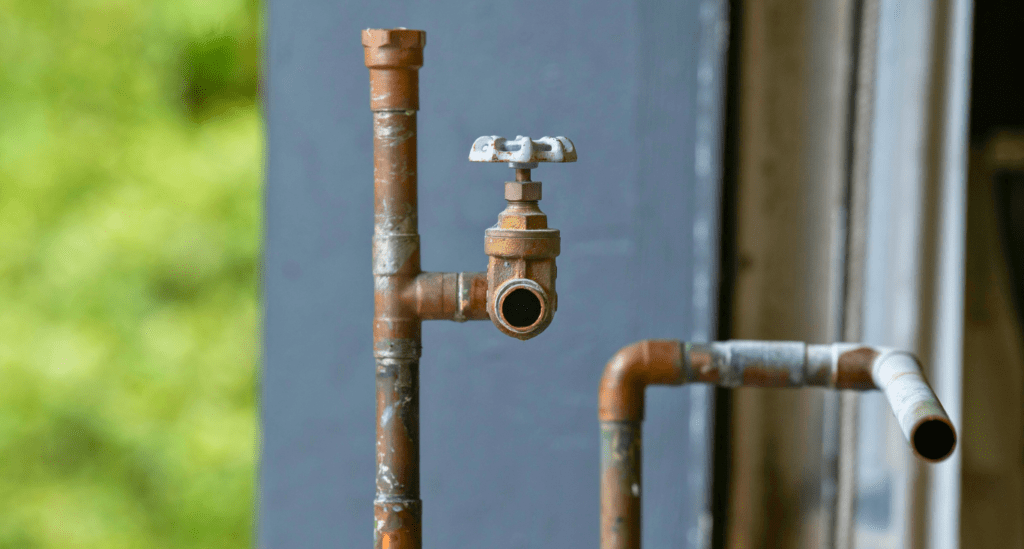
Rust is a Sign of Aging Gas Lines and that Gas Line Replacement Should Be Considered.

Let’s be real—your gas lines aren’t the fountain of youth. They age, they wear out, and eventually, they start acting up like that one relative who insists on bringing drama to every family gathering. So, how can you tell if they’re ready to throw in the towel? Here’s the scoop:

First, if your nose gets hit with the smell of rotten eggs, it’s not breakfast gone wrong—it’s probably a gas leak. That sulfuric stench is the universe yelling at you to pay attention.

Next, rust and corrosion. It’s like wrinkles for your pipes, but way less charming. If you’re spotting flaky, rusty bits on your gas lines, it’s time to start thinking about retirement plans—for the pipes, not you.

And let’s not forget the surprise attack on your wallet. If your gas bill suddenly spikes and you haven’t been baking 24/7 or running a hot tub empire, those outdated gas lines might be sneaking extra gas right out of your pocket.

Ignoring these red flags is like ignoring the “check engine” light in your car—sure, it might seem fine for now, but you’re just one bad day away from major regrets. Stay sharp, stay safe, and remember gas lines don’t send postcards when they’re ready to quit.

The Role of Shifting Soil

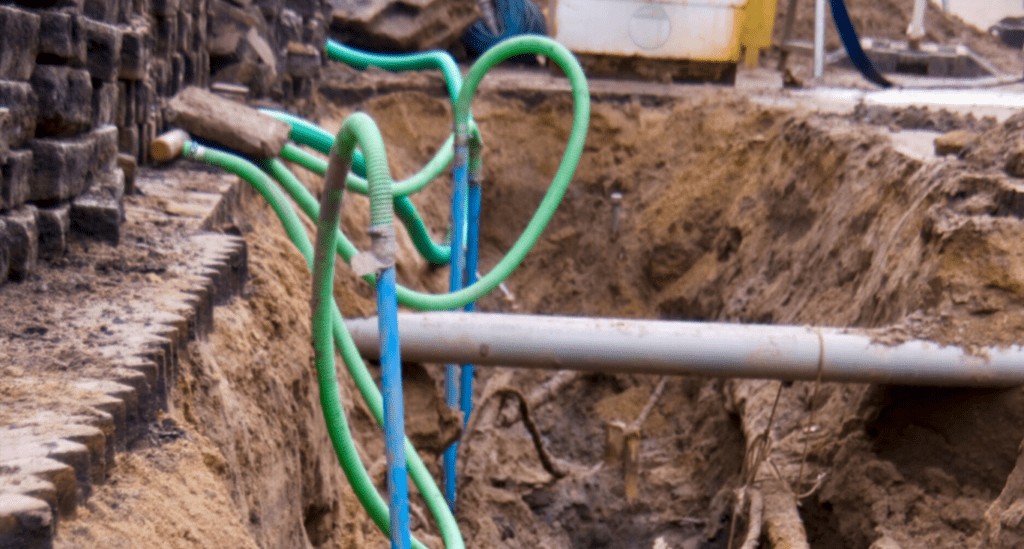
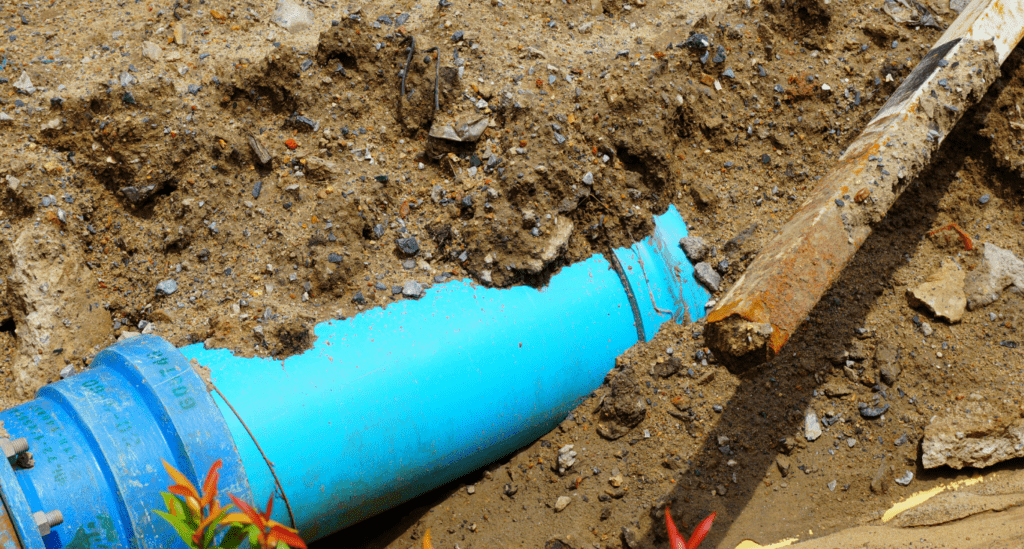
Shifting Soil Around Gas Lines Can Cause Damage and Require Replacement.

Your yard might look calm and collected, but beneath that serene patch of grass lies a drama queen in disguise. Soil doesn’t just sit still—it shifts, it settles, it expands, it contracts. It’s basically the yoga instructor of natural elements, except instead of finding zen, it’s finding ways to mess with your gas lines.

As the ground moves, it places pressure on your pipes, which are just trying to do their job without being yanked around. The result? Cracks, leaks, and a whole lot of chaos causing the need for gas line replacement. Add in things like heavy rains or droughts, and it’s like your yard is throwing a surprise party for your plumbing—and not the fun kind.

You might be thinking, “How am I supposed to control the ground beneath my feet?” Fair point. While you can’t tell the earth to chill out, you can make some smart moves to minimize the damage. Things like proper drainage systems and grading can keep excess water from turning your yard into a mudslide. And if landscaping’s on your to-do list, make sure you’re not planting trees or shrubs that have roots determined to wrestle your pipes into submission.

Remember, your soil might have a mind of its own, but with a little planning, you can keep it from turning your gas lines into the victims of its latest tantrum.

Replacing and Repairing Gas Lines

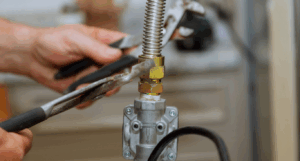
When it comes to gas line replacement or repairing gas lines, this is not the time to channel your inner DIY guru. Leave the pipe-wrangling and gas-leak-detecting to the heating and cooling professionals—preferably the ones who show up with more than duct tape and a good attitude. They’ll know exactly how to handle your outdated, cranky gas lines without turning your home into the next viral disaster video.

Once the pros are on the scene, it’s all about choosing materials that’ll stick around for the long haul. Think copper or flexible stainless steel—these are the A-listers of the gas line world. Sure, they might cost a bit more up front, but they’ll save you from having to do this whole song and dance again anytime soon. And who wouldn’t want to avoid that?

The process itself? It’s not exactly HGTV glamorous. There’s no big reveal with champagne and happy tears, but the payoff is real. You’re not just fixing a problem; you’re upgrading your home’s safety and efficiency. Plus, newer gas lines mean fewer surprise breakdowns—and fewer awkward phone calls to your local HVAC repair company at 3 a.m.

So let the heating repair experts do their thing, kick back, and rest easy knowing your gas lines will be running smoother than your favorite coffee order. You’ve earned the peace of mind (and maybe a latte, too).

The Importance of Regular Inspections

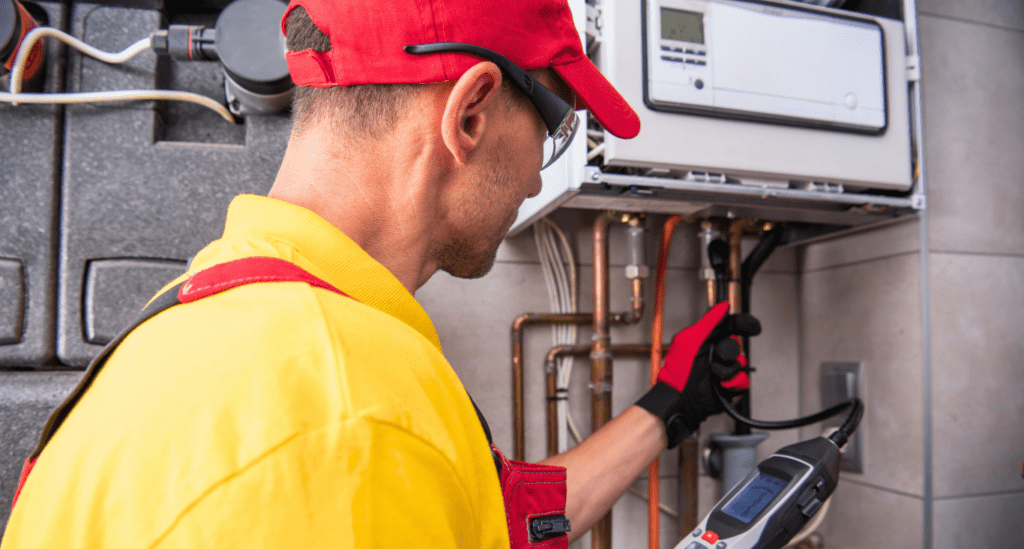
Having Gas Line Inspected by Professionals Can Help Prevent Expensive Repairs or Replacements.

You know that little voice in your head that says, “Eh, it’ll be fine”? Yeah, that voice is not your friend when it comes to gas lines. Regular inspections are like giving your home a check-up—it’s not glamorous, but it beats the alternative of finding out the hard way that something’s wrong.

Gas lines are sneaky. They don’t wave a red flag or send you a polite email when they’re ready to quit. They just quietly corrode, crack, or leak, leaving you with a recipe for disaster. A quick inspection by a heating maintenance professional can spot the warning signs before your wallet takes a hit—or worse, before your gas lines decide to pull a dramatic stunt.

And here’s the deal: professionals have gadgets and know-how that your “I watched a YouTube tutorial” self does not. They’ll catch the tiny issues that could snowball into costly problems faster than you can say “emergency plumber.” Plus, having a heating and cooling expert peek at your system every now and then might even help extend the life of your pipes—because who has time for constant gas line replacements?

Sure, scheduling an inspection isn’t as fun as booking a vacation, but trust me, it’s a whole lot cheaper than dealing with an unexpected gas line fiasco. Save the drama for your Netflix queue, not your utility system.

Cost-Effective Solutions for Homeowners

There are Grants Available to Help Build a More Energy Efficient Home.

Let’s face it—homeownership isn’t exactly a cheap hobby. But when it comes to gas line upgrades, there are ways to make it less painful on your bank account. First off, check out any local or federal programs that might offer rebates or incentives for energy-efficient home upgrades. Turns out, improving your gas lines can come with perks beyond just avoiding a gas-leak soap opera. It’s like the government handing you a coupon for being responsible—who knew?

Also, don’t be shy about shopping around. Not all service providers charge the same, and finding one that’s both reputable and budget-friendly is totally possible. Just skip the “guy your cousin knows who works out of his truck” and stick to professionals who won’t accidentally turn your yard into a construction site nightmare.

If you’re really looking to keep costs down, consider bundling inspections and repairs. A lot of companies offer package deals, which means fewer separate charges and less headache for you. Plus, upgrading your gas lines to modern, durable materials means fewer long-term expenses. Think of it as a one-time splurge to dodge future wallet meltdowns.

Finally, let’s not forget the payoff—lower energy bills. Because honestly, wouldn’t it be nice to open your utility bill and not immediately need a lie-down?

Conclusion: Ensuring Safety and Efficiency

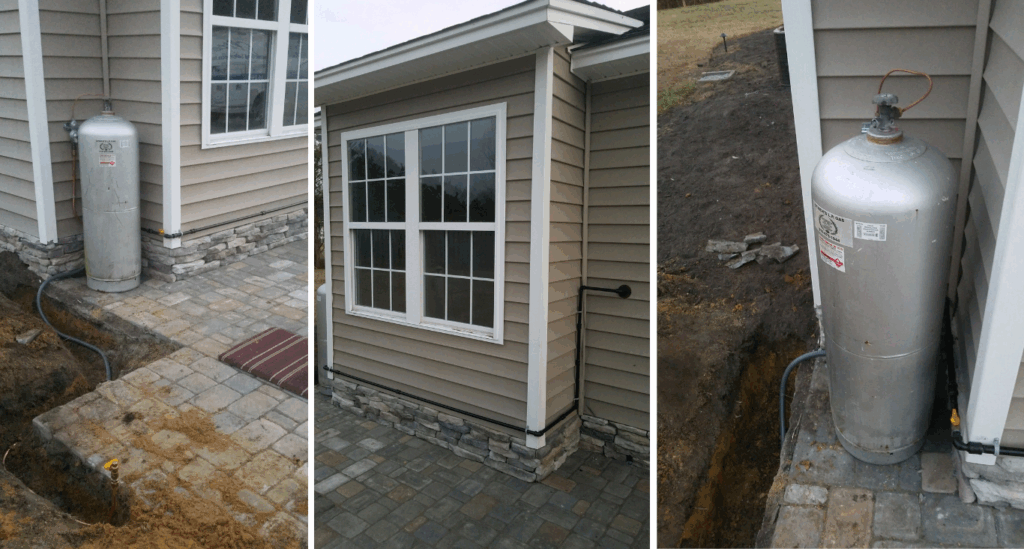
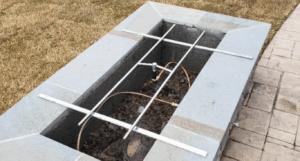
Gas Line Installation for Outdoor Firepit
Gas Line Installation for Outdoor Firepit in Wilmington, NC

Taking care of your gas lines isn’t exactly the stuff of dream home Pinterest boards, but it’s one of those unglamorous tasks that pays off big time. Upgrading old pipes or fixing leaks isn’t just about avoiding a potential “oops” moment that could end up on the nightly news—it’s about creating a home that runs smoother and costs you less in the long run.

Think of it this way: modern gas lines are like upgrading to better Wi-Fi. It’s not flashy, but suddenly everything works faster, better, and without random outages that make you want to throw something. Plus, the peace of mind that comes with knowing your home isn’t a ticking time bomb. Priceless.

So, skip the procrastination, call the pros, and make those gas line replacement upgrades before your gas lines stage a dramatic exit. Sure, it’s not as fun as redoing your kitchen or building a deck, but you’ll thank yourself when your utility bills stop reading like a horror story. Safe, efficient, and cost-effective—it’s the adulting trifecta. Now go ahead and treat yourself to that extra-large coffee; you’ve earned it.

For more information on gas line replacement, installation and maintenance, be sure to read our following related articles. Also, don’t forget to check out our most asked questions with answers on gas line replacement and modernization.

Why is Gas Line Replacement Important?

Gas line replacement plays a critical role in maintaining the safety and efficiency of your home’s energy system. Over time, gas lines can wear out or become damaged due to factors like age, corrosion, or external impacts. Replacing these lines ensures the proper delivery of gas to appliances, reducing the risk of leaks and improving performance. By addressing these issues proactively, homeowners can avoid more significant problems and maintain a secure and functional living environment.

Unusual smells near your gas line, such as a sulfur or rotten egg scent, can signal a leak and the need for replacement. Rust or visible damage on the pipes may also indicate that the line is compromised. Additionally, if appliances like your stove or water heater are no longer functioning as efficiently as before, it might be due to issues with the gas line. These warning signs should prompt immediate attention from a qualified professional.

Upgrading gas lines enhances the performance of your energy system, allowing appliances to operate more effectively. Modern materials used in new installations can better withstand wear and environmental factors, reducing the likelihood of future damage. Improved safety features in updated lines minimize the risk of leaks, creating a more secure home environment. Additionally, the upgraded system can adapt more easily to modern appliances, ensuring compatibility and optimal functionality for years to come.

Costs can vary based on factors like pipe length, installation complexity, and local labor rates. Materials used and any necessary permits may also influence the overall price. Additional expenses could arise if unexpected issues, such as damaged existing lines or hard-to-access areas, are discovered during the project. Comparing quotes from multiple providers can help you understand market rates and make an informed decision. Proper planning and research ensure a smoother process while managing expenses effectively.

Research companies with strong reviews and a history of completing similar projects. Verify that the provider is licensed and insured to handle gas line work in your area. Request a detailed estimate that includes materials, labor, and potential additional costs. Speaking directly with previous clients can offer insights into the provider’s reliability and quality of work. Look for transparent communication and clear answers to your questions to ensure you feel confident in their abilities.

Schedule regular inspections with a licensed professional to identify any wear or potential issues early. Keep the area around gas lines clear of debris or heavy objects to prevent accidental damage. Ensure proper ventilation in spaces where gas appliances are used, and promptly address any changes in performance or unusual odors to maintain safety and efficiency.

Related Articles

Scroll to Top