Grease Buildup: Your Kitchen’s Least Glamorous Problem
Rick Moore
ECSi Team Member
Date Published: 12/10/2025
Table of Contents
Understanding Grease Buildup
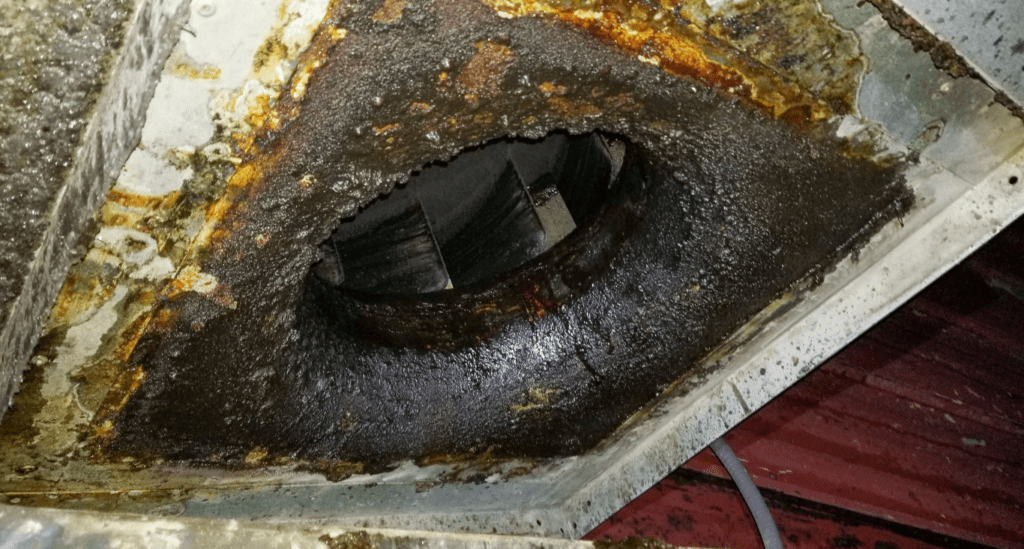
Grease buildup is like that friend who “crashes on your couch for a few days” and is still there six months later. It’s the stubborn byproduct of all those delicious fried foods that keep your customers happy but your exhaust hood… not so much. Instead of politely packing up and leaving, grease settles in, creating a sticky, gunky layer that refuses to budge without a fight. Think of it as your kitchen’s version of an uninvited houseguest who hoards the remote and eats all your snacks.
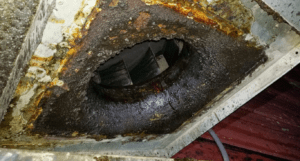
And let’s not forget, grease isn’t content to just chill on the surface. Oh no, it likes to dig in deep, hiding in nooks and crannies like it’s playing an industrial-sized kitchen exhaust hood game of hide-and-seek. The more you let it linger, the harder it becomes to remove—kind of like glitter after a kids’ craft party. Before you know it, you’re dealing with a sticky situation (literally) that no one wants to touch.
This isn’t just an aesthetic issue, either. Grease buildup can actually mess with your ventilation system, making it work overtime like a coffee-fueled college student during finals. And as it thickens, it becomes the perfect partner-in-crime for heat and sparks—basically creating a recipe for disaster you definitely didn’t order off the menu.
Health and Safety Risks
Grease buildup doesn’t just sit there looking gross—it’s plotting against you. Think of it as a tiny arsonist waiting for the right moment to turn your kitchen into a scene from a disaster movie. The combination of heat, grease, and the occasional spark? Yeah, not exactly the holy trinity you want in your ventilation system. Fire safety inspectors don’t throw around words like “hazard” for fun, and grease buildup is their number one nemesis. Spoiler alert: it should be yours too.
But wait, there’s more! Grease isn’t just content to be a fire hazard—it moonlights as a germ playground. All that built-up gunk becomes a cozy hangout for bacteria, which is bad news for anyone who enjoys not getting food poisoning. If you’ve ever wanted to see a health inspector’s face turn fifty shades of angry, let them catch a whiff of your grease-slicked exhaust hood. Bonus points if there’s a side of mold.
And let’s not forget the smell. Oh, the smell. That rancid, oily aroma that starts to seep into every inch of your kitchen, eventually making its way out to the dining area. Because nothing pairs with a gourmet burger quite like the faint scent of “week-old fryer grease.” Customers love that.
Preventive Maintenance Strategies
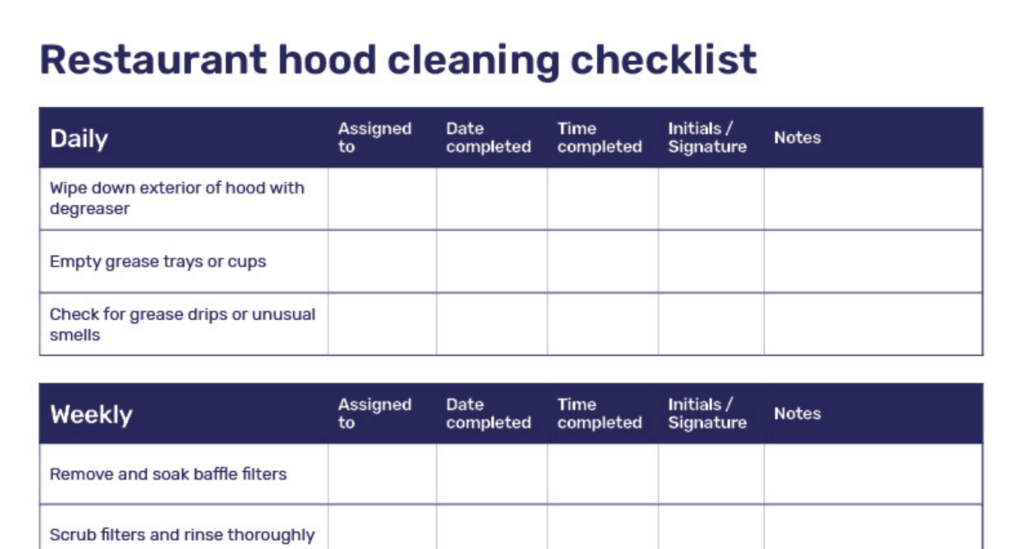
Preventing grease buildup is all about staying ahead of the mess, kind of like dodging your ex at the grocery store. First off, set up a regular cleaning schedule. It’s not glamorous, but neither is having your kitchen smell like a deep fryer gone rogue. Think of it as giving your exhaust hood a spa day—it deserves it after all it’s been through. Plus, regular cleanings mean less gunk to deal with later. Trust me, your future self will thank you.
Next, train your team like grease-fighting ninjas. Arm them with the right tools and techniques so they can attack grease buildup before it turns into the villain of the kitchen. Make it clear that a little elbow grease (pun absolutely intended) now saves everyone from dealing with a full-on grease-pocalypse later.
And don’t just rely on the big, deep cleans. Daily wipe-downs of your hood and surrounding areas can make a world of difference. It’s the “little and often” approach, like brushing your teeth—you wouldn’t skip that for six months, would you? (At least, I hope not.)
Lastly, don’t skimp on using proper cleaning products. That cheap, watered-down degreaser might seem like a steal, but it’s about as effective as using a pool noodle to fight a fire. Invest in products that actually do the job, because nobody’s got time to scrub the same spot 50 times.
Effective Cleaning Techniques
Let’s talk grease-cleaning strategy, because winging it isn’t going to cut it when your exhaust hood looks like it’s auditioning for a horror movie. First things first: gear up. Industrial degreasers are your best friend here—don’t even bother with that bargain-brand stuff that smells strong but works as effectively as spraying water on a grease fire. Pair it with some non-abrasive scrubbers, and you’re ready to rock.
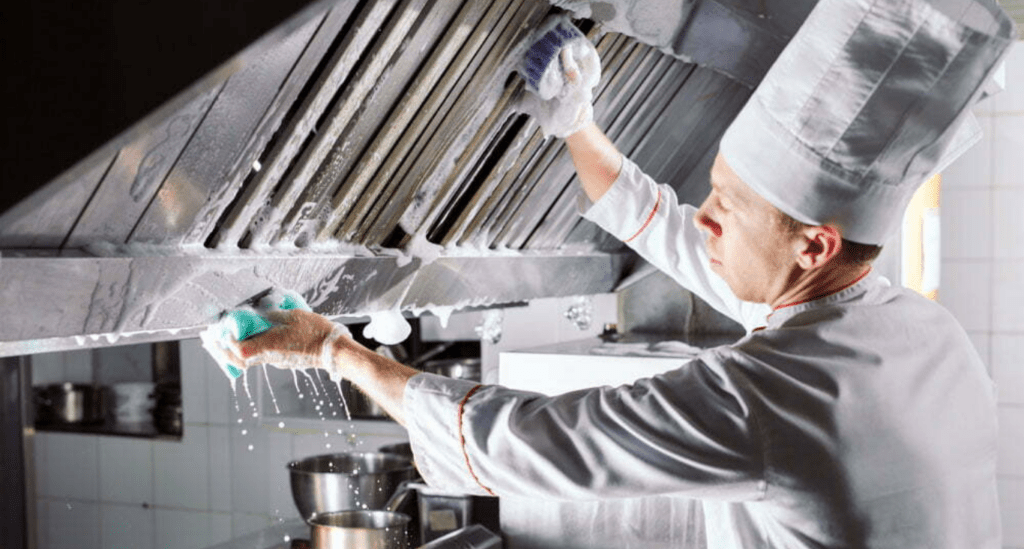
Here’s how to get down to business: start by cutting the power. Unless you’re into unintentional science experiments involving electricity, this step is non-negotiable. Next, pull out those filters like you’re dislodging a particularly stubborn cork, and give them a nice, hot soak. Think of it as a bubble bath—only way less relaxing and way more soapy.
Now it’s time to tackle the hood itself. Coat every greasy surface with your chosen degreaser like you’re smothering a pancake in syrup, and let it sit there for a while to work its magic. This isn’t the time to be impatient; give it a moment to break down that layer of oily regret. Then, grab your scrubber and channel all your pent-up frustration into scrubbing like your life—or at least your kitchen’s health inspection score—depends on it.
Once you’ve scrubbed enough to make your arms feel like you just finished an intense gym session, rinse everything thoroughly. This step is crucial unless you want your exhaust hood to feel like a sticky flytrap the next time you touch it. Finally, those filters you soaked earlier? Rinse them off too, then put them back in place like you’re fitting the final pieces of a greasy, gross puzzle.
There you go—your exhaust hood might not be sparkling, but hey, it’s clean enough to keep the health inspectors off your back. For now.
Hiring Professional Cleaning Services
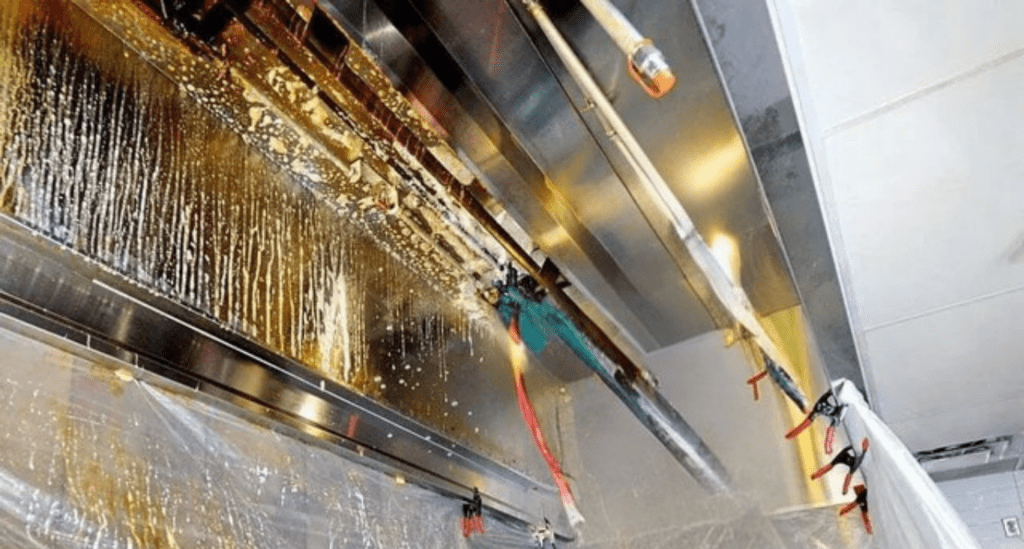
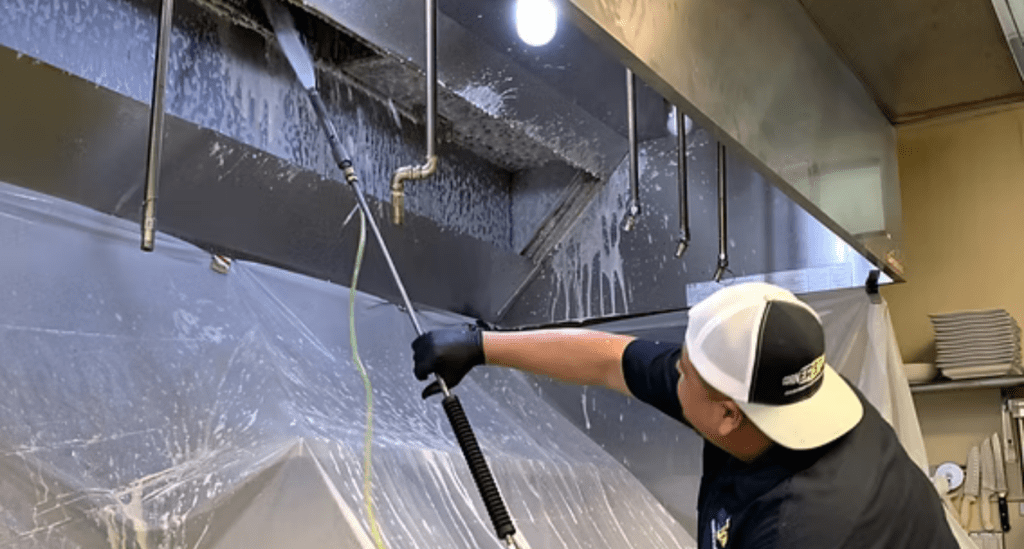
Sometimes, tackling grease buildup yourself feels like trying to assemble flat-pack furniture without the instructions—frustrating, messy, and probably ending with something wobbly. That’s where the pros come in. Hiring professional ventilation hood cleaning services is like bringing in a team of grease-fighting superheroes armed with tools and knowledge that make your bottle of degreaser look like child’s play.
These folks don’t mess around. They’ve got industrial-grade equipment, specialized cleaning solutions, and techniques so efficient you’ll wonder why you didn’t call them sooner. They can reach those awkward, hard-to-get-to spots that you’ve been avoiding because, let’s be honest, no one wants to confront the greasy horrors lurking there.
And here’s the real kicker: they don’t judge. Whether your exhaust hood looks like it’s straight out of a fast-food apocalypse or just mildly questionable, they’ve seen it all. You’re not going to shock them. No side-eyes, no “how did it get this bad?” questions—just pure, unflinching professionalism as they dive headfirst into the mess you’d rather pretend doesn’t exist.
What’s even better? You don’t have to sacrifice your precious time scrubbing and sweating while muttering “why me?” under your breath. Professional ventilation repair and maintenance companies handle the grunt work, leaving you free to focus on, well, literally anything else. Plus, by the time they’re done, your kitchen exhaust system will be sparkling (or at least grease-free enough to make a health inspector smile).
And hey, while you could spend your day wielding a scrubber and questioning your life choices, wouldn’t it be more fun to let someone else handle the dirty work? Save your energy for the fun part of running a kitchen—like obsessing over whether your artisanal ketchup is the right shade of red.
Monitoring and Maintenance
After all that effort cleaning your exhaust hood, the last thing you want is for grease to make a sneaky comeback like a villain in a bad sequel. The key to keeping things under control? Regular monitoring and maintenance—because ignoring grease buildup is basically inviting it to throw a house party in your ventilation system.
Start by giving your exhaust hood a quick once-over every week. Look for any shiny spots or sticky patches trying to stage a comeback. Don’t wait for things to get bad enough that your hood starts looking like a science experiment. A flashlight can help here, especially if grease is hiding out in the shadows like it’s in a witness protection program.
Next, set up a maintenance routine that doesn’t rely on you suddenly remembering it at 2 a.m. Keep it consistent—think of it as adding “grease patrol” to your calendar, right next to “pretend to go to the gym.” Whether it’s weekly wipe-downs or monthly deeper inspections, stick to the schedule like your kitchen’s reputation depends on it. (Because it kind of does.)
And don’t be that person who keeps all this “mental.” Write it down. A maintenance log isn’t just for show—it’s your proof that you’ve been battling grease like a champ. Jot down dates, what was cleaned, and who did it. Bonus points if you include some dramatic flair, like “vanquished greasy filter #3 with industrial-strength degreaser.”
Also, check your equipment. Those filters you cleaned last month? Make sure they’re not clogging up again. A well-maintained exhaust system works better and keeps the whole operation running smoother. Translation: less stress for you and fewer side-eyes from inspectors.
Grease might be persistent, but so are you. With a little effort, you’ll keep it in check—and out of your hair (and kitchen).
Conclusion
As you can now see, by regularly cleaning your restaurant’s kitchen exhaust hoods, you are helping prevent grease buildup that provides a better atmosphere for both your employees and customers. If you own or manage a restaurant you feel that you need a professional exhaust hood cleaning service. the best place to contact would most likely be a local heating installation, maintenance and air conditioning repair company. Most HVAC companies handle restaurant exhaust hood cleaning as well.
For more information and tips on restaurant exhaust hoods, be sure to read our following related articles. Also, be sure to check out some of most asked questions with answers about restaurant exhaust hood systems and grease buildup.
FAQs
What is the purpose of exhaust hood systems
Restaurant exhaust hood systems are essential for removing heat, smoke, and grease particles from the air during cooking. They include components like the hood, filters, ductwork, and exhaust fan, all working together to maintain proper ventilation. These systems are especially important in commercial kitchens where high-temperature cooking methods are used.
Filters play a significant role in trapping grease before it enters the ductwork, reducing the chance of clogs and potential hazards. Regular inspections ensure that all parts function correctly, preventing airflow issues caused by grease accumulation. Additionally, proper design of the system can enhance its efficiency, ensuring that it can handle the demands of the kitchen while minimizing the risk of overheating and maintaining air quality.
What are common causes of grease buildup
The type of cooking method used greatly influences grease buildup. High-heat techniques, such as frying and grilling, release significant grease particles into the air. Open-flame grilling, in particular, generates both smoke and grease, leading to faster accumulation within the exhaust system. The frequency and intensity of kitchen use also play a role; busier kitchens tend to experience quicker buildup due to constant cooking.
Improperly maintained or designed systems may fail to effectively trap and remove grease, compounding the problem. Additionally, filters that are clogged or not cleaned regularly can allow grease to accumulate in the ductwork, increasing the risk of clogs and fire hazards. These factors make proactive maintenance critical to managing grease levels effectively.
How do I prevent excess grease accumulation
To keep grease buildup under control, focus on cleaning filters regularly, as they capture most grease particles during cooking. Use non-toxic degreasers designed for kitchen equipment to effectively remove grease without harming surfaces. Ensure ductwork and other system components are inspected frequently for residue.
Adjust the cleaning schedule based on how often and intensively the kitchen operates, as busier kitchens produce more grease. Prioritize keeping the hood and ductwork free of obstructions to maintain airflow. Proper care of the system reduces the risk of fire hazards and ensures the exhaust system performs efficiently in demanding environments.
What are the signs of a problematic exhaust system
Visible grease stains or drips on the hood, filters, or nearby surfaces often indicate excessive grease buildup. Lingering odors and persistent smoke suggest the system is not effectively ventilating the kitchen. Strange noises from the exhaust fan may point to mechanical issues, while reduced airflow can result from obstructions in the ductwork.
Additionally, if filters appear clogged despite routine cleaning, it could signal a deeper issue within the system. Addressing these warning signs quickly is essential to maintaining proper functionality and preventing safety hazards.
What is the importance of hiring professional cleaning services
Professional cleaning ensures deep removal of grease from all components, including areas that regular maintenance might miss. Experts use specialized tools to clean ductwork, hoods, and fans, reducing fire risks and maintaining system efficiency. Regular professional services also help identify hidden issues, such as damaged parts or excessive residue buildup, before they become costly problems. Scheduling cleanings based on kitchen activity ensures optimal performance, prolongs equipment life, and keeps the exhaust system compliant with safety regulations.