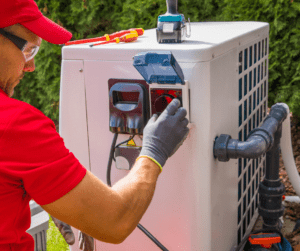
Cut High Energy Bills with Electrified Heat Pumps

Rick Moore
ECSi Team Member
Date Published: 3/4/2026
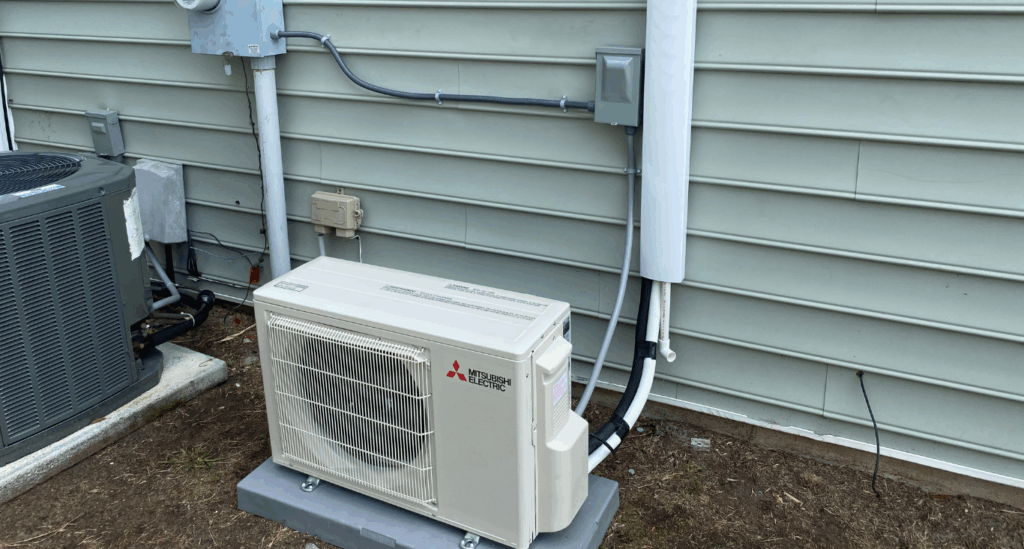
Table of Contents
Introduction to Electrified Heat Pumps
Have you ever stared at your energy bill and wondered if your house secretly moonlights as a power plant? Yeah, same. But guess what? Electrified heat pumps are here to stop the madness. These magical machines use electricity to both heat and cool your home, making them the multitaskers we all aspire to be. They’re like the Swiss Army knife of HVAC systems, versatile, efficient, and way cooler than whatever you’ve got running now.
Not to get too technical (because, let’s face it, no one wants that), but these bad boys work by transferring heat rather than generating it. Translation: you get all the coziness with a fraction of the energy. It’s like upgrading from a flip phone to a smartphone except instead of better selfies, you get a lower energy bill.
And don’t even get me started on how much quieter they are. If your current system sounds like it’s auditioning for a heavy metal band every time it kicks on, you’re in for a treat. Electrified heat pumps hum along so peacefully you’ll wonder if they’re even working until you feel the perfect indoor climate, of course.
So, if you’re tired of your HVAC system acting like a drama queen, it might be time to bring in the electrified heat pump cavalry. Sure, it doesn’t wear a cape, but saving you money and reducing your energy footprint? That’s superhero level stuff.
Advantages of High-Efficiency Heat Pumps
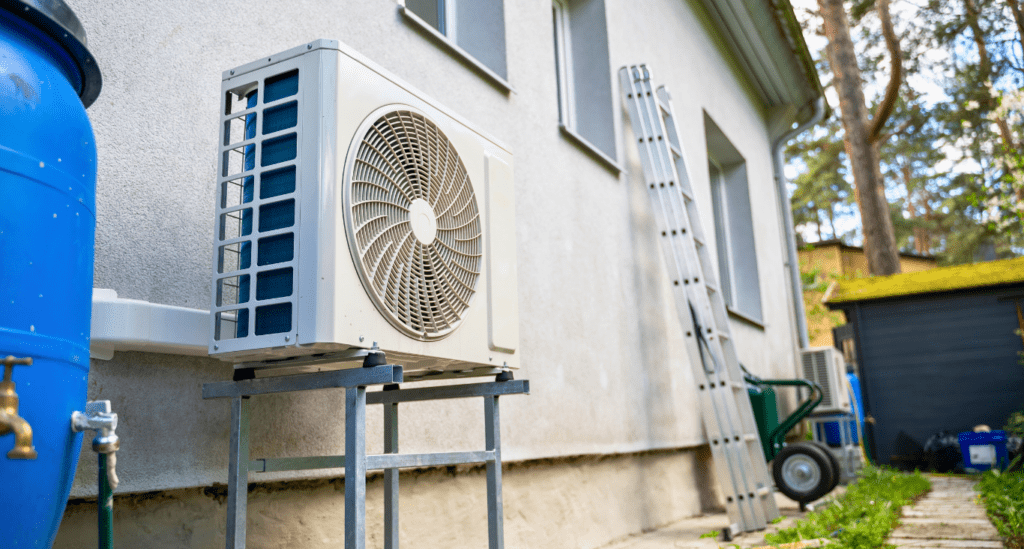
Let’s get real, saving money and staying comfortable shouldn’t feel like chasing a unicorn. High-efficiency electrified heat pumps are here to make that dream a reality without making you second guess your life choices every time the thermostat gets adjusted. These systems are designed to give your energy bills a much-needed chill pill by using electricity way more efficiently than traditional heating and cooling systems. It’s like swapping out a gas guzzler for an electric car, but without the long lines at the charging station.
Plus, they’re not just efficient, they’re flexible. High-efficiency electrified heat pumps can adapt to your home like they’ve been there all along. Whether your place is a cute fixer upper or something straight out of a home magazine, these systems fit in like they’ve been waiting for the invitation. Bonus points: they can heat and cool, which is a major win for anyone tired of juggling multiple systems like a circus performer.
And let’s not forget the environmental perks. Cutting down on energy use means lowering greenhouse gas emissions, which is a fancy way of saying you’re doing your part for the planet without even trying. You get to feel like an eco-warrior every time you walk into your perfectly climate-controlled living room.
But the best part? These electrified heat pumps aren’t just functional, they’re low-key genius. They’ll make you wonder why you didn’t upgrade sooner. So go ahead, let them work their magic while you sit back and enjoy all that extra cash you’re saving.
Cold Climate Heat Pump Models
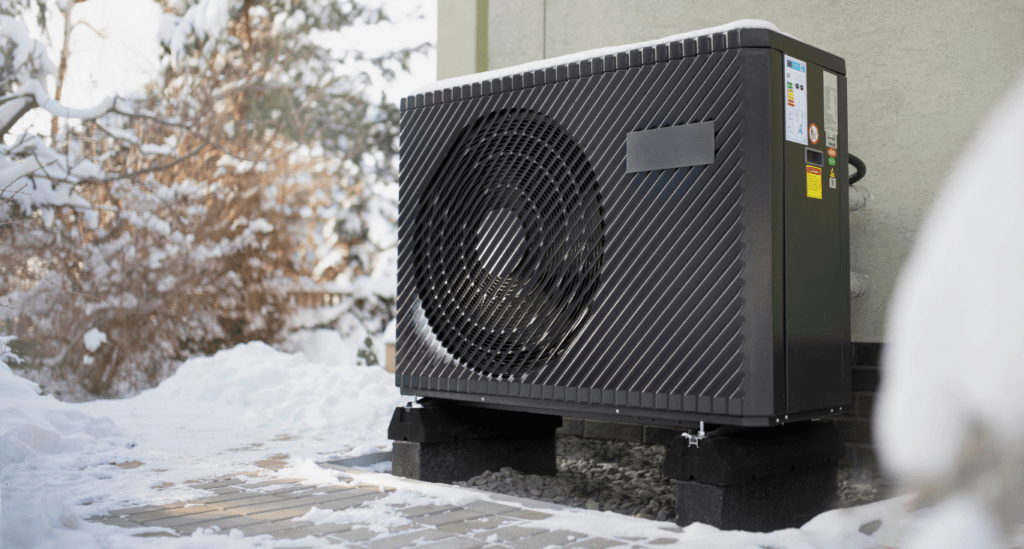
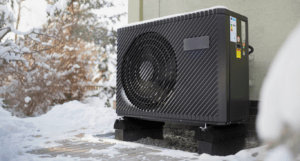
Cold climate electrified heat pumps are basically the MVPs of winter survival. When temperatures drop so low that you start questioning every life choice that led you to live somewhere so frigid, these heat pumps are out here thriving. Unlike traditional systems that throw in the towel at the first sign of frost, these units keep working like they’ve got something to prove. They’re engineered to handle the cold without breaking a sweat or whatever the HVAC equivalent of sweat is.
But let’s talk about the real win here: efficiency. Cold climate heat pumps don’t just warm up your home; they do it without making your energy bill skyrocket. It’s like they know your bank account deserves to hibernate, too. And since they’re pulling heat from the air outside (yes, even when it’s freezing, go figure), you’re basically harnessing science to stay warm. Who knew thermodynamics could be your best friend?
Oh, and if you’re worried about reliability, don’t be. These systems are built tough, like the HVAC version of a mountain climber. Snowstorm? Ice? Negative temperatures? Bring it on. They’ll still crank out the cozy vibes while your old system would’ve been crying in the corner.
The best part? You don’t have to completely overhaul your life to get a cold weather heat pump installed. They integrate seamlessly into most homes, proving that even in freezing climates, you can have both form and function. So go ahead, let the winter rage on, you’ve got this covered. Literally.
Retrofitting Existing Systems
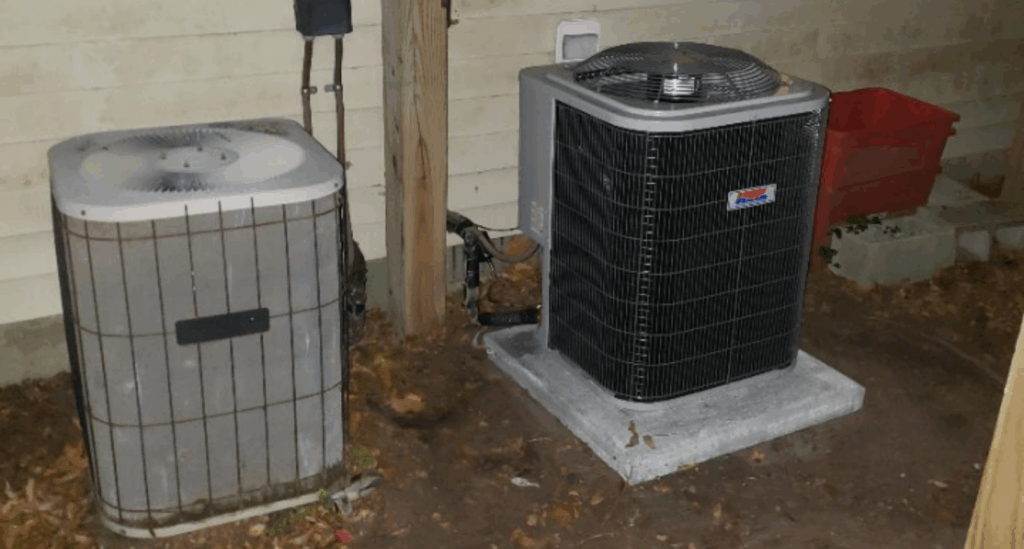
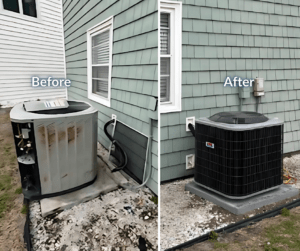
So, your current HVAC system is hanging on by a thread, and you’re thinking about upgrading to one of the high-efficiency electrified heat pumps without blowing up your house or your budget. Good news: retrofitting is way less painful than it sounds. We’re not talking about tearing down walls or turning your living room into a construction war zone. It’s more like swapping out old, clunky parts for shiny, efficient ones. Think “home improvement lite.”
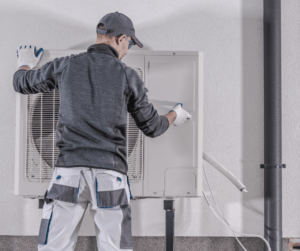
The first step? Get your HVAC system checked out by a pro. They’ll figure out what stays, what goes, and how to hook you up with a heat pump that plays nice with your current setup. It’s kind of like matchmaking but for HVAC systems because, apparently, even the air conditioning system needs compatibility these days.
Now, here’s the fun part: there are rebates and incentives floating around out there that could make the whole process a lot easier on your wallet. Governments and energy companies love throwing money at people who make energy-efficient choices, so why not cash in on their generosity? It’s basically the universe rewarding you for being responsible. Feels good, right?
And don’t worry about your home looking like it’s been Frankensteined together. High-efficiency electrified heat pumps blend into your existing system like they’ve always been part of the family. No weird surprises, no awkward transitions. It’s as smooth as an HGTV makeover, minus the dramatic before-and-after shots.
So, if your current HVAC setup is more “ugh” than “ahh,” retrofitting it with a heat pump might just be the upgrade you didn’t know you needed.
Maintenance Tips for Longevity

Your heat pump isn’t a set it and forget it kind of deal folks. Think of it like a car, it needs a little TLC to keep running smoothly. Start with the basics: clean or replace those HVAC filters. No one likes a filter clogged with enough dust to sculpt a small statue. Trust me, your system will thank you by working better and not sending your energy bills into orbit.
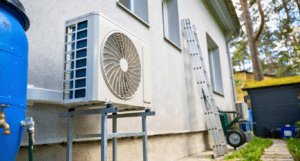
Next up, check the outdoor unit. It’s not a storage shelf for leaves, twigs, or whatever nature decides to throw at it. Clear the area around it like you’re preparing for a celebrity red carpet, nothing in its way, all eyes on its performance. And don’t ignore the weird noises. If it’s clanking, rattling, or making sounds that remind you of a bad garage band, it’s time to call in a professional residential or commercial HVAC company before it stages a full-on rebellion.
Speaking of professionals, schedule a tune-up at least once a year. Think of it as your heat pump’s annual physical minus the awkward hospital gown. A technician can catch issues before they turn into wallet draining disasters. Plus, they’ll check things like refrigerant levels and coil cleanliness, which sounds boring but is actually super important.
Finally, don’t be tempted to crank the thermostat like it’s the volume dial at a party. Your heat pump thrives on moderation, not wild temperature swings. Treat it right, and it’ll return the favor with consistent comfort and fewer breakdowns.
Finding Reliable HVAC Service Providers
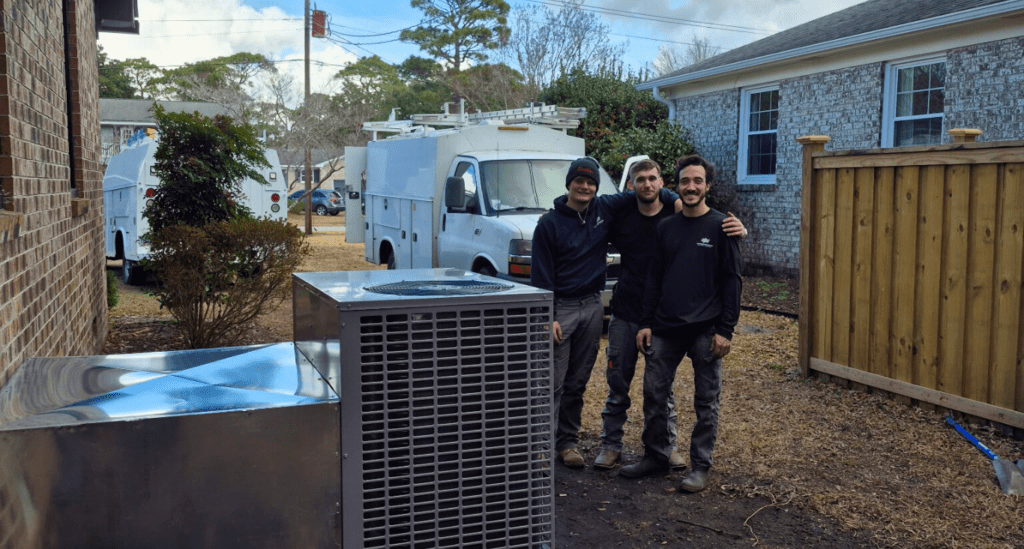
Finding a good HVAC service provider can feel like trying to find the last clean sock in the laundry pile, but it’s doable, but you’ve got to dig a little. First things first: check those online reviews. Think of them as the Yelp for your future cozy home. If a company has more stars than your kid’s school report card, you’re probably on the right track. But don’t stop there; you’re going to want to ask some questions. Do they know their way around electrified heat pumps, or are they still stuck in the Stone Age of HVAC systems? You want someone who’s fluent in efficiency and can actually back it up.
Credentials matter too. You wouldn’t let someone without a driver’s license parallel park your car, so why let someone unqualified repair your heating system or cooling unit? Make sure they’re licensed, insured, and have experience handling systems like yours. Pro tip: if they show up and spend more time scratching their head than fixing your system, you might want to reconsider.
Also, let’s talk guarantees. A solid provider will offer warranties or some kind of promise that they’re not just going to ghost you after installation. Bonus points if they offer maintenance plans that don’t cost an arm and a leg. It’s like having insurance for your HVAC system.
Lastly, trust your gut. If the technician shows up looking like they just rolled out of bed or can’t answer basic questions without consulting their phone, it’s probably time to swipe left. A good provider should give off “I’ve got this” energy, not “I hope this works” vibes. So do a little research, ask the right questions, and you’ll be on your way to an HVAC setup that works as hard as you do.
Conclusion
You should now have an understanding as to why electrified heat pumps are growing more popular and replacing gas heat pumps daily. Not only are they more energy efficient, but they help save you money which we all love. For more information on heat pumps, be sure to read our following related articles. Also, don’t forget to check out our most asked questions with answers on electrified heat pumps.
FAQs
What Are Electric Heat Pumps?
Electric heat pumps are a modern solution for efficient heating and cooling. They work by transferring heat between your home and the outdoors, using electricity to power the process. Unlike older systems that generate heat by burning fuel, heat pumps move heat, which requires much less energy. Even in colder weather, they can pull heat from the air outside to keep your home warm. During hot months, the process reverses, helping to cool your living space. This dual functionality allows heat pumps to provide consistent comfort throughout the year. Their ability to use energy efficiently makes them an appealing option for those looking to reduce utility bills while maintaining a comfortable indoor environment.
What Are the Cost and Savings of Electric Heat Pumps?
Installing an electric heat pump can be an investment, with costs varying based on home size, system type, and installation complexity. Prices typically range from $3,000 to $10,000, but available rebates and incentives can significantly lower these expenses. Over time, the high efficiency of heat pumps can lead to noticeable reductions in energy bills. By using electricity more effectively than traditional heating systems, they often deliver three times the heating or cooling compared to the energy they consume. This efficiency not only helps cut monthly utility costs but also makes the system more environmentally friendly. While the initial cost might seem significant, the potential for long-term savings makes electric heat pumps an appealing option for many homeowners.
What Are Some Maintenance Tips?
Regular upkeep helps your electric heat pump perform at its best. Start by inspecting and replacing filters every one to two months to maintain good airflow and prevent dirt buildup. Keep the outdoor unit clear of leaves, dirt, or other debris, and trim any nearby plants to ensure proper ventilation. Check for any unusual sounds or signs of wear, as these may signal a need for attention. It’s also wise to examine ductwork for blockages or leaks that can impact efficiency. While some tasks can be handled on your own, scheduling an annual professional service ensures all components are in top condition.
How Do I Choose the Right Electrified Heat Pump?
When selecting an electric heat pump, start by assessing your home’s heating and cooling needs. Consider your climate, as some models perform better in colder temperatures, while others excel in milder conditions. Think about the layout of your home to decide between options like air source, ground source, or ductless mini-split systems. Research energy efficiency ratings to ensure you’re getting a cost-effective and reliable unit. It’s also essential to work with a reputable installer who can guide you in choosing the best HVAC system for your home. Compare multiple quotes to find a balance between quality and affordability without compromising on performance.
What Are Some Common Issues and Troubleshooting?
If your heat pump isn’t performing as expected, start by checking the thermostat settings and ensuring the system has power. Inspect the outdoor unit for debris that may block airflow. Unusual sounds or reduced efficiency could indicate a problem, such as low refrigerant or worn components. Simple fixes can often resolve minor issues, but persistent problems may require professional assistance. Scheduling regular maintenance helps catch potential concerns early, keeping your system reliable and operating efficiently throughout the year.
Related Articles