Eco-Friendly Refrigerant Swaps To Cut Your Energy Bills

Author: Rick Moore
ECSi Team Member
Date Published: 11/5/2025
Table of Contents
Introduction to Eco-Friendly Refrigerants
Let’s be honest keeping your home cool shouldn’t feel like you’re also torching the planet or your paycheck. Enter eco-friendly refrigerants, the unsung heroes of modern cooling. These bad boys are stepping up to replace the old, high-GWP refrigerants that have been quietly trashing the environment while jacking up your energy bills. It’s like swapping out your clunky flip phone for a sleek new smartphone—only this time, it’s your AC system getting the upgrade.
But don’t worry, we’re not about to throw a bunch of technical jargon at you. Think of eco-friendly refrigerants as the chill new neighbors who show up, keep things cool, and don’t cause a scene. Whether it’s blazing outside or your AC is working overtime, these refrigerants are designed to keep your home feeling fresh without sending your utility bill into orbit.
And the best part? You can feel a little smug about your choice without having to explain yourself to anyone. Because let’s face it—everybody likes a win that doesn’t require a PowerPoint presentation or a lecture on climate change. Eco-friendly refrigerants are here to do the heavy lifting for both your home and the planet, and honestly, we’re all better for it.
Understanding Refrigerant Regulations
Let’s talk about why your AC’s old refrigerant is basically being voted off the island. Turns out, those high-GWP refrigerants—like R-410A—are not exactly winning any popularity contests. They’ve been doing a number on the planet, and the powers that have decided it’s time for a shake-up. So, bye-bye to the outdated heat pump coolants that are acting like they’ve got front-row seats to global warming, and hello to the shiny new eco-friendly alternatives.
Think of it like this: the old refrigerants are that one friend who shows up late to every event, eats all the snacks, and leaves you with the mess. Meanwhile, the newer refrigerants are more like the friend who brings cupcakes and helps clean up after. The government isn’t just making these changes for kicks; it’s about steering us toward a greener, more efficient future. Plus, it’s a way to keep things from spiraling into full-on environmental chaos.
Now, here’s the fun part (and yes, we’re calling it fun): these changes could mean an upgrade for your home cooling system. We’re talking better efficiency, lower emissions, and fewer guilt trips every time you crank the AC. Sure, nobody loves the idea of regulations, but these ones might actually work in your favor. It’s like getting grounded as a kid but then realizing you didn’t want to go to that lame party anyway. You win.
Benefits of Low-GWP Alternatives
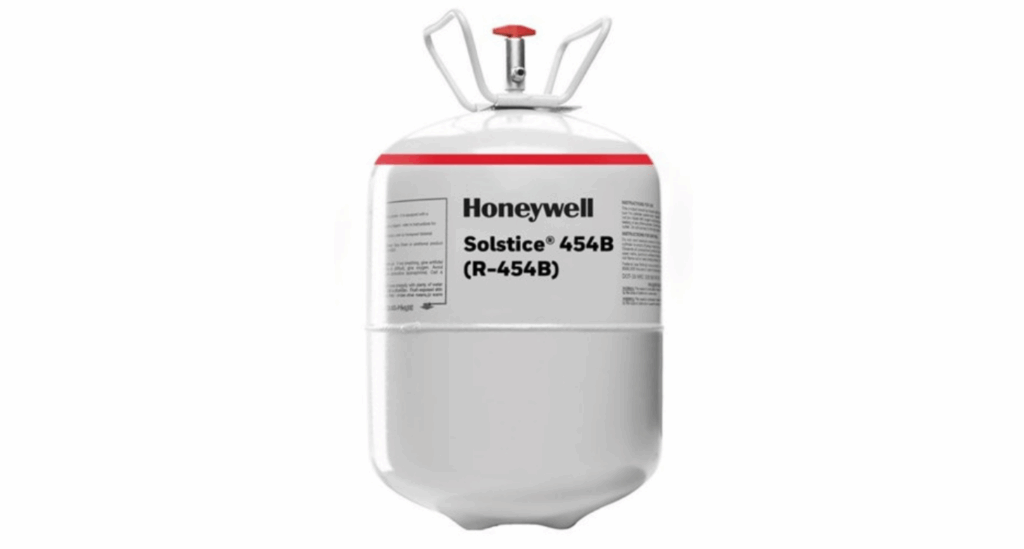
Let’s get one thing straight—low-GWP alternatives like R-454B aren’t just here to look pretty. These refrigerants are the overachievers of the cooling world, doing their job without making a mess of the planet. Switching to them is like upgrading from a gas-guzzler to a hybrid; you’re not just saving money, you’re also earning some major eco brownie points. Plus, let’s be honest, who doesn’t want a cooling system that works smarter, not harder?
These modern refrigerants bring efficiency to a whole new level. Your AC won’t have to huff and puff just to keep your living room tolerable in July, which means you’re not playing Russian roulette with your utility bill every summer. Lower energy usage means more cash stays in your pocket—and less guilt when you decide to binge-watch your favorite show in crisp, air-conditioned glory.
And hey, let’s not forget the performance perks. Low-GWP refrigerants don’t just tick the environmental boxes; they’re also designed to keep your heating and cooling system running smoother than a freshly waxed car. That means fewer surprises, like the AC quitting on you during the hottest week of the year. You know, the week when the neighborhood suddenly turns into a sauna, and even your dog gives you the side-eye for not fixing it sooner. With these refrigerants, you can avoid that disaster entirely—and maybe even sleep a little better at night knowing you made a smart, forward-thinking choice.
Natural Refrigerants: A Green Choice
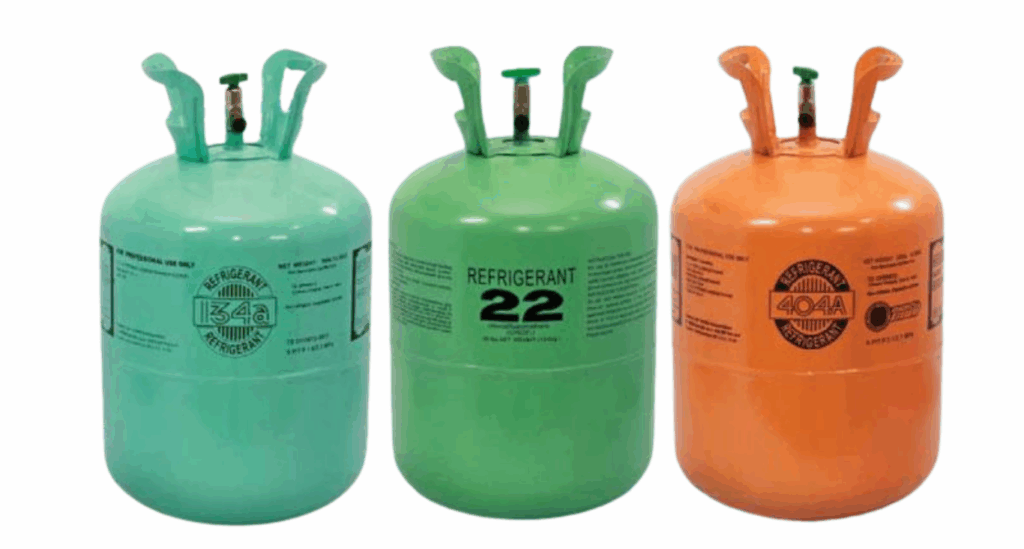
Alright, let’s talk about the MVPs of the refrigerant world: natural options like propane and CO2. Before you panic, no one’s suggesting you shove a propane tank into your AC unit and hope for the best. These natural refrigerants are professionally designed to work their magic without turning your home into a chemistry experiment. They’re the eco-friendly heavyweights—non-toxic, super low environmental impact, and they even sound kind of fancy when you casually mention them at your next BBQ.
Propane, for instance, isn’t just for firing up your grill—it’s also surprisingly good at keeping things cool. And CO2? It’s not just that stuff you breathe out during a heated argument; it’s also a refrigerant that’s been quietly doing its thing without wrecking the planet. Together, these options are basically the cool kids in the sustainability club, pulling off low-GWP stats like it’s no big deal.
And here’s the kicker: natural refrigerants are so efficient, they practically run circles around the older, less eco-savvy options. That’s fewer headaches for you and fewer repairs for your heating and air conditioning unit. Plus, using natural refrigerants might just earn you some unspoken street cred among your environmentally conscious peers. Imagine the satisfaction of knowing your air conditioning system is saving the planet while keeping you comfy—talk about multitasking goals.
Cost-Effective Transition Strategies
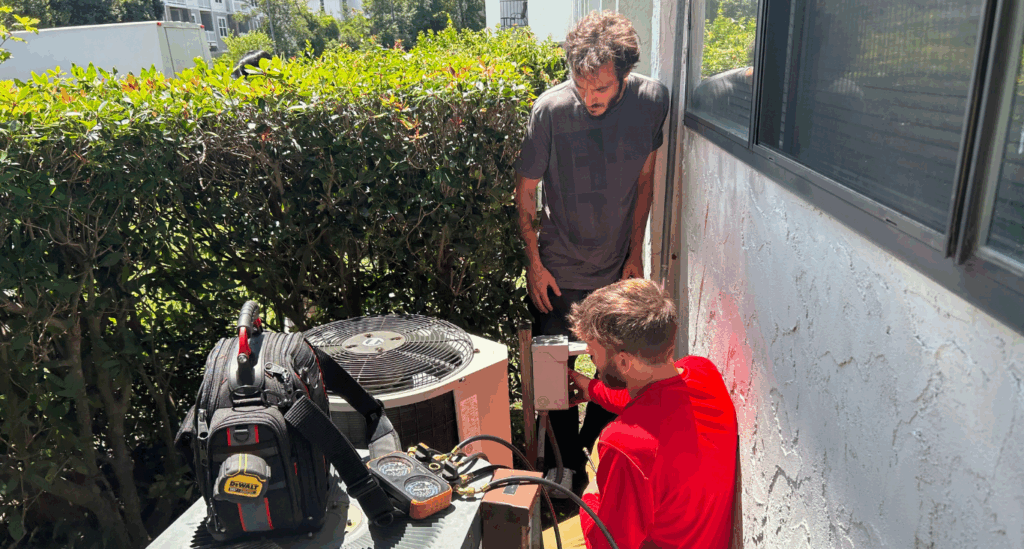
Look, nobody’s thrilled about spending money on their HVAC system—it’s not exactly the fun kind of shopping. But upgrading to an eco-friendly heating and cooling setup doesn’t have to feel like handing over your wallet and your dignity. First off, check out rebates and incentives from manufacturers or even your utility company. It’s like finding out your least favorite chore comes with a cash prize. Free money? Yes, please.
Next, shop around for a professional HVAC company in your area who isn’t trying to fund their yacht with your upgrade. A good technician will help you navigate your options without turning the process into a second mortgage. Pro tip: If they show up in a shirt with a giant, unreadable logo and talk like a car salesman, maybe keep looking.
If replacing your entire HVAC system feels about as feasible as adopting a pet dragon, consider retrofitting your existing one. There are often ways to make small tweaks that can work with the new refrigerants—kind of like getting new tires instead of buying a whole car. And while you’re at it, schedule regular maintenance visits to keep things running smoothly. Skipping maintenance is like refusing to change the oil in your car—sure, you’ll save a few bucks today, but Future You is going to be pretty annoyed when the whole thing breaks down.
Maintaining Your Eco-Friendly System
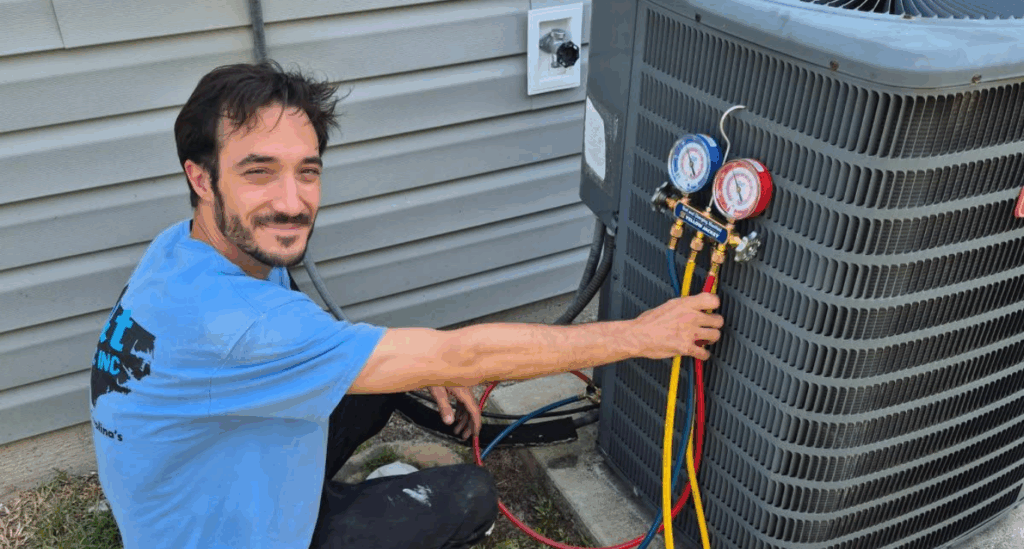
So, you’ve joined the cool kids club with your fancy eco-friendly refrigerants. Congrats! But here’s the thing—your shiny, new setup isn’t a “set it and forget it” deal. If you want it to keep doing its job without constantly experiencing problems, you’ll need to show it some love. Think of it like a relationship: ignore it too long, and suddenly things get frosty in all the wrong ways.
First off, don’t underestimate the power of a clean filter. A clogged one is basically your heating and air conditioning system’s way of passive-aggressively telling you it’s overworked. Swap it out regularly and keep the air flowing like it’s meant to. And those HVAC coils? Yeah, they need attention too. Dust and dirt are like the glitter of HVAC systems—once they show up, they’re everywhere, and they’re ruining the vibe.
Oh, and while you’re at it, make sure no refrigerant leaking or looking funky. A little condensation is normal, but a puddle is not. That’s your system waving a red flag. Don’t ignore it. Regular checkups by a residential or commercial HVAC company are key—think of them as spa days for your AC. And trust us, neglecting maintenance is a fast track to spending your summer sweating through repair bills.
Bottom line: Treat your eco-friendly system like the high-maintenance BFF it is, and it’ll keep your house cooler than your favorite iced latte.
Conclusion: The Future of Home Cooling
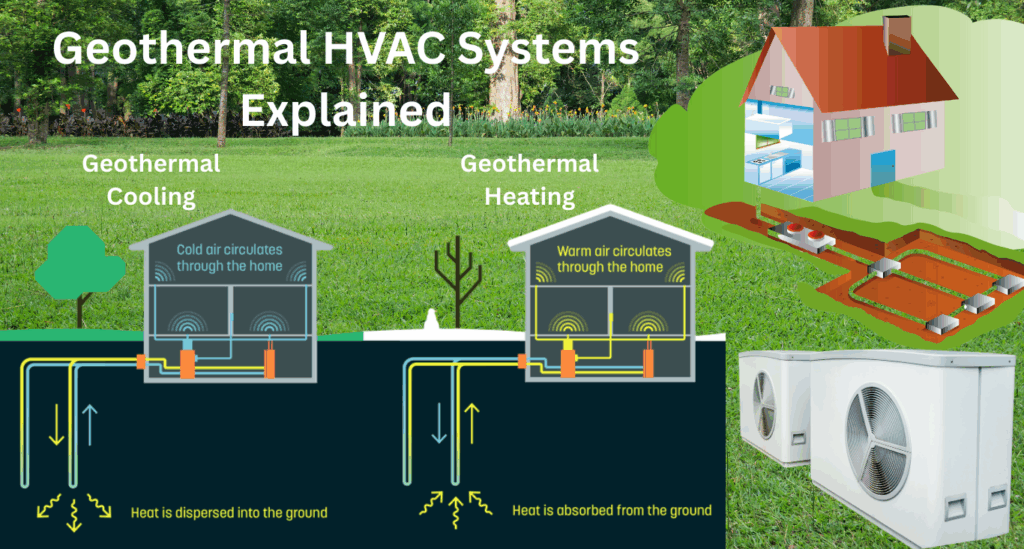
The future of home cooling is looking pretty sharp, and it’s about time. Eco-friendly refrigerants are stepping in to save the day, proving you don’t have to choose between keeping cool and doing right by the planet. These modern alternatives are efficient, low-maintenance, and way better for the environment than their old-school counterparts. It’s like finally ditching that one pair of shoes that always gave you blisters—why suffer when there’s a better option?
Making the switch might seem like a hassle, but let’s be real: sticking with outdated refrigerants is like holding onto a flip phone in a smartphone world. Plus, the benefits are hard to ignore. Lower energy bills, fewer surprise breakdowns, and the satisfaction of knowing you’re not accidentally making global warming worse every time you turn on the AC? That’s a win in anyone’s book.
So, whether you’re upgrading your air conditioning or heating system or just keeping your current one in good shape, eco-friendly refrigerants are the way forward. They’re efficient, planet-approved, and ready to keep your home cooler than the other side of the pillow. Who knew being responsible could feel this good?
For more articles on gas line installation, heating and cooling tips, and restaurant exhaust hood repair and installation, be sure to check out blog HERE.
Also, don’t forget to take a look are our FAQ’s and answers.
Frequently Asked Questions
What are Eco Friendly Refrigerants?
Eco friendly refrigerants are revolutionizing the HVAC industry by offering an environmentally conscious alternative to traditional options. These refrigerants are formulated to reduce harmful effects on the atmosphere, addressing issues like greenhouse gas emissions and ozone depletion. Unlike older refrigerants, they prioritize sustainability without compromising on performance.
Homeowners who choose these modern refrigerants can not only lessen their environmental impact but may also benefit from improved system efficiency. By transitioning to eco-friendly options, HVAC systems become a step toward a more sustainable and responsible approach to home heating and cooling.
What Makes a Refrigerant Eco Friendly?
Eco friendly refrigerants are distinguished by their lower environmental impact compared to older types. They are formulated with reduced Global Warming Potential (GWP) and minimal or zero Ozone Depletion Potential (ODP). These modern refrigerants often incorporate natural compounds that break down more easily, reducing harm to the atmosphere.
Unlike traditional refrigerants like CFCs and HCFCs, eco friendly options are engineered to align with sustainability goals. Their use contributes to less greenhouse gas emissions and promotes better air quality. For those looking to adopt greener practices, these refrigerants represent a significant step toward reducing the ecological footprint of HVAC systems.
Are Eco Friendly Refrigerants Cost Effective?
Eco friendly refrigerants can result in long-term savings by reducing energy consumption, even if their initial cost is higher. These refrigerants are often more efficient, requiring less energy for heating and cooling. Additionally, switching to these options may qualify for government incentives or rebates, helping to offset upfront expenses. Over time, lower energy bills and potential incentives can make these refrigerants a smart financial investment, alongside their environmental advantages.
Do Eco Friendly Refrigerants Affect HVAC Performance?
Eco friendly refrigerants are crafted to maintain effective heating and cooling while often enhancing energy efficiency. Their stability supports system durability, helping reduce wear and tear on components over time. This reliability minimizes the chances of interruptions in performance, ensuring consistent comfort for homeowners.
How Do You Maintain HVAC Systems Using Eco Friendly Refrigerants?
Proper maintenance is key to ensuring optimal performance when using eco-friendly refrigerants. Schedule regular professional check-ups to catch issues early and maintain system efficiency. Replace air filters frequently to keep airflow steady and prevent unnecessary strain on the system. Keep an eye on refrigerant levels to avoid performance drops and increased energy use. Quickly address any refrigerant leaks, as they can lead to higher costs and inefficiency. Cleaning coils and ensuring proper airflow around the system can also enhance efficiency. Following these practices helps to keep your HVAC system operating smoothly and prolongs its lifespan.
How Do I Find the Right Service for Eco-Friendly Refrigerants?
Look for an HVAC service provider with experience in eco-friendly refrigerants and a solid track record. Verify that their technicians are certified and knowledgeable about modern refrigerant systems. Check online reviews or ask for references to ensure reliability. Inquire about service warranties and if they offer preventive maintenance plans tailored for eco-friendly refrigerants. A dependable provider will help maintain system efficiency and address any concerns promptly, ensuring your investment in environmentally conscious refrigerants pays off over time.
Related Articles