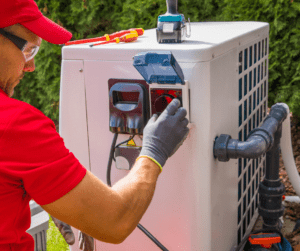
Tired of Paying Too Much to Stay Warm? Meet Cold Climate Heat Pumps

Picture of Rick Moore

Rick Moore

ECSi Team Member
Date Published: 1/27/2026

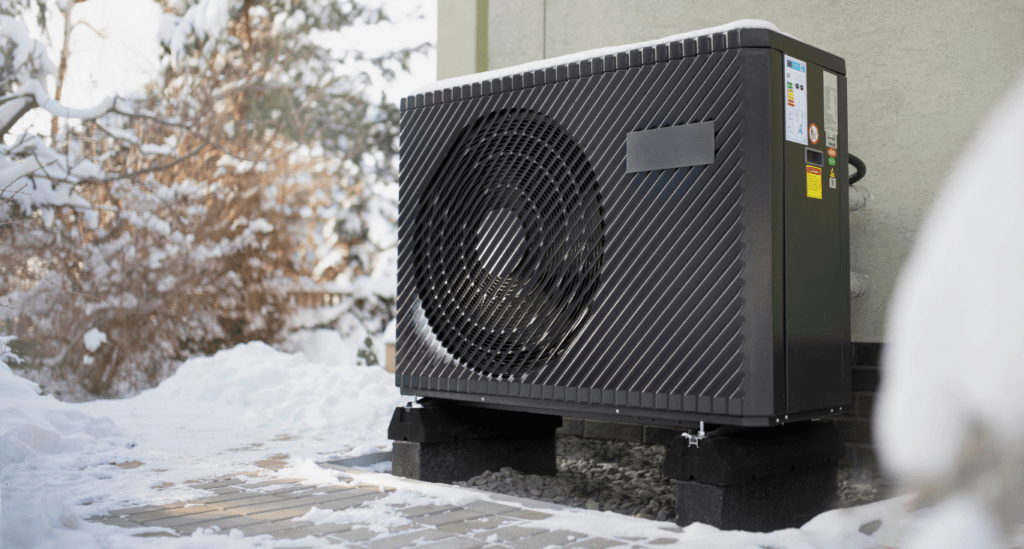
Cold Climate Heat Pumps are Designed to Keep Your House Warm and Save You Money on Your Heating Bill.

Table of Contents

Introduction to Cold Climate Heat Pumps

Winter has a way of sneaking up on you, doesn’t it? One day you’re sipping iced coffee in the sunshine, and the next, you’re layering up like a human burrito just to survive your living room. Enter cold climate heat pumps, the modern answer to your frosty woes. These bad boys are designed to handle even the most unforgiving winters, all while keeping your heating costs low and in check. They’re like the overachieving middle child of the HVAC world—always doing more with less and never asking for much in return.

What makes them so special? Well, they don’t just crank out heat—they do it smartly. Instead of guzzling energy like that old heater you’ve been cursing under your breath, they efficiently pull heat from the air (yes, even when it’s freezing outside!) and pump it into your home. Think of it as turning your space into a toasty haven without having to sacrifice your grocery budget.

And here’s the kicker—they work year-round! Many of them double as air conditioners, making them the multitasking MVPs your home didn’t know it needed. Plus, they’re quieter than your neighbor’s barking dog, which, let’s be honest, is a win in itself. So, if you’re tired of choosing between warmth and affordability, it’s time to give cold climate heat pumps a serious look. Winter doesn’t stand a chance.

Benefits of Cold Climate Heat Pumps

Cold Weather Heat Pumps Help Save Money on Electric Bills.

Let’s get straight to it—cold climate heat pumps are basically the superheroes of home heating needs. For starters, they’re ridiculously efficient. These systems don’t just gobble up electricity and call it a day; they take a small amount of energy and somehow turn it into enough heat to make your home feel like a tropical getaway. It’s science, but it might as well be magic.

And the savings? Oh, the savings. Imagine opening your energy bill and not immediately questioning every life choice that led you to this moment. With a cold climate heat pump, those bills won’t feel like a slap in the face. It’s the kind of relationship that gives back—financially, at least.

But wait, there’s more! They’re not just good for heating; they double as air conditioners when the weather decides to play its cruel tricks in the summer. One system, two jobs—who doesn’t love a good multitasker? Plus, they’re so quiet you might forget they’re even running. That means no more yelling over the constant hum of your old heating and cooling system just to be heard in your own house.

So, if you like being warm, saving money, and maybe even lowering your blood pressure every time that bill arrives, it’s hard to argue against the charm of a cold climate heat pump. Seriously, what’s not to love?

Selecting the Right Heat Pump for Your Home

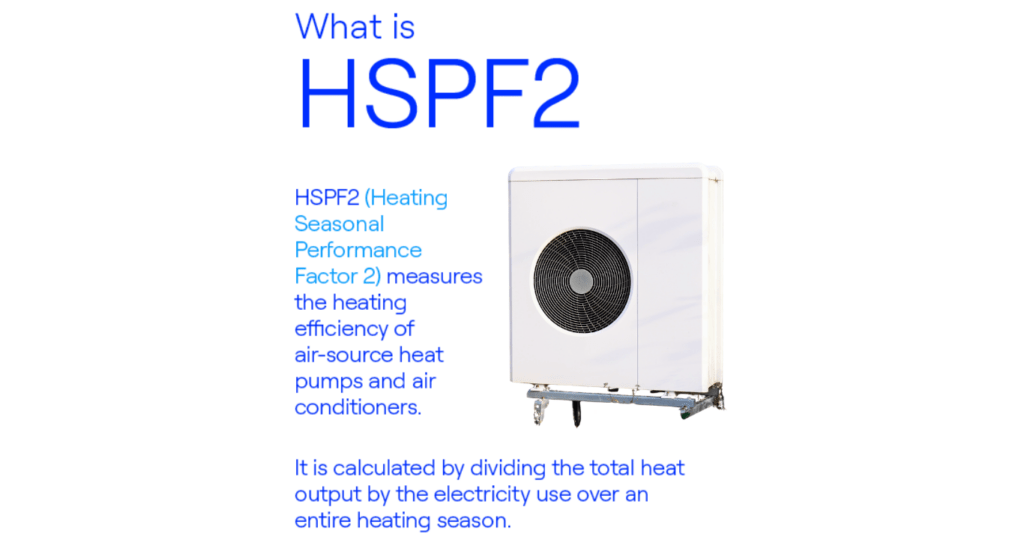
HSPF2 Explained
HSPF2 Explained

Finding the perfect cold climate heat pump isn’t rocket science, but it does require a bit more thought than picking out your morning cereal. First off, size matters—when it comes to heat pumps, that is. Go too small, and it’ll struggle to keep up, huffing and puffing like it just ran a marathon. Too big, and it’s basically the HVAC version of overpacking for a weekend trip. You need that Goldilocks fit just right.

Then there’s efficiency. Look for a model with a high HSPF (Heating Seasonal Performance Factor) and COP (Coefficient of Performance). Fancy acronyms, yes, but they basically mean your heat pump is good at turning energy into heat without burning a hole in your wallet.

And let’s talk about features because not all heat pumps are created equal. Some models come with snazzy extras like smart thermostats or cold-weather upgrades to handle even the chilliest nights. Think of it as customizing your ride—except this one keeps you warm and doesn’t need gas.

Oh, and don’t forget to factor in your local climate and home’s insulation. Even the fanciest heat pump won’t save you if your house leaks more air than a sieve. Team up with a professional heating and air conditioning company to make sure you’re getting a system that matches your home and not just your Pinterest aesthetic.

Maintenance Tips for Longevity

HVAC Technician Vic of ECSi in Wilmington, NC, Performing HVAC Maintenance

Think of your heat pump like a pet—it needs a little love and attention to stay happy and functional. First off, don’t let the filters become a science experiment. Check and clean them regularly or replace them if they look like they’ve been through a dust storm. Your heat pump will thank you by not making weird noises or blowing mystery fuzz around your house.

Outdoor units also need a bit of TLC. Clear away leaves, snow, and whatever nature decided to throw at it this week. It’s not a lawn decoration, so let it breathe, okay? While you’re at it, make sure the area around it isn’t turning into a squirrel’s hangout.

Schedule yearly professional HVAC tune-ups too. Yes, it might feel like another thing on your to-do list but think of it as your pump’s yearly physical—except this one prevents skyrocketing heating and cooling repair bills. Pro tip: get it checked before the weather turns colder than your ex’s text replies.

Finally, listen to your heat pump. If it’s making noises like a blender full of rocks, it’s trying to tell you something, and ignoring it won’t make the problem disappear. Catching small issues early saves you from giant headaches (and bills) later.

Common Problems and Troubleshooting

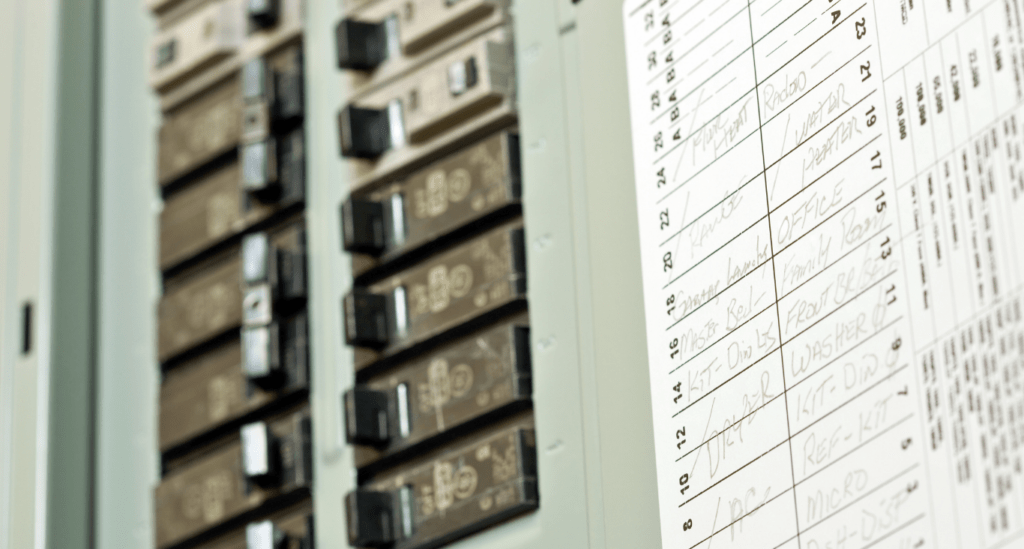
Heat Pump Problems Can Often Be Fixed by Checking Your Breaker Box First.

Even the best heat pumps can throw a tantrum now and then, but don’t panic—most issues are fixable without sacrificing your sanity. If your heating system seems to be blowing cold air instead of heat, start with the basics. Check the thermostat. Is it set correctly, or did someone “helpfully” switch it to the wrong setting? (Looking at you, kids.) Next up, inspect the filters. If they’re so clogged they resemble a lint trap from 1987, it’s time to clean or replace them. No one likes breathing through a straw, and your heat pump is no exception.

Now, let’s talk power. If your system isn’t turning on at all, make sure it’s actually plugged in, and double-check the circuit breaker. It sounds obvious, but you wouldn’t believe how many “broken” heat pumps are just victims of a flipped switch.

Hearing strange noises? A little hum is fine, but grinding, banging, or anything that sounds like your heat pump’s auditioning for a horror movie soundtrack is not. Turn it off and call in a heating and air conditioning repair company—you don’t want to be the star of your own DIY disaster.

Remember, your heat pump isn’t a mind reader. If something feels off, investigate early. Catching small issues now can save you from future wallet trauma (and a house that feels like the Arctic).

Finding Reliable Service Providers

Ecsi Employees and Family
Elite Contracting Solutions Inc. Family Owned & Operated Business

Let’s be real handing over your heat pump to a residential or commercial HVAC service provider can feel a bit like trusting a stranger with your dog. You want someone who knows what they’re doing, won’t overcharge you, and ideally won’t ghost you mid-repair. Start by asking around. Your neighbor who always knows where to get the best deals? They might just have the inside scoop on a good technician.

When you’ve got a few names, it’s time to put on your detective hat. Look for certifications—because “I watched a YouTube video once” isn’t exactly comforting when it comes to your heating system. Bonus points if they’ve got experience with cold climate heat pumps. This isn’t amateur hour, folks.

Next, read reviews. Not just the glowing ones that could be written by their mom, but the meh ones too. Patterns matter. If three people mention they showed up late with no explanation, you might want to swipe left on that one.

And don’t forget to ask for a quote—preferably before they start dismantling anything. You don’t need a heart attack when the bill shows up looking like your mortgage. A good heating and cooling service provider won’t dodge questions or try to confuse you with jargon. If they do, it’s probably time to keep looking.

Conclusion

So, there you have it—cold climate heat pumps: the unsung MVPs of your home’s heating and cooling squad. They’re efficient, versatile, and way smarter than that outdated system you’ve been cursing all winter. Plus, they’ll make your energy bills a little less terrifying, which is basically like finding spare change in your couch but on a much larger, more satisfying scale.

Sure, choosing the right one takes a little effort, and yes, maintenance is a thing (we’re not saying you need to marry it, but maybe take it out for a yearly tune-up). Still, when it’s all said and done, you get a cozy, comfortable home without the drama of surprise breakdowns or timely and expensive repair costs. And let’s not forget, you’re also doing the environment a favor. Who knew being energy efficient could feel this good?

Bottom line? Cold climate heat pumps are like the Swiss Army knife of HVAC systems—reliable, efficient, and always ready to save the day. So, if you’re tired of battling with high bills and unreliable heating, maybe it’s time to let one of these modern marvels take the reins. Your wallet, your home, and yes, even your sanity, will thank you. Winter, you’ve officially been defeated.

For more information and tips on heat pumps, be sure to read our following related articles.  Also, don’t forget to check out our most asked questions with answers about cold climate heat pumps.

FAQs

What are Cold Climate Heat Pumps?

Cold climate heat pumps are designed to provide effective heating solutions in regions with severe winters. Using advanced technology, they extract heat from the outdoor air and transfer it indoors, even in extremely low temperatures. This innovative approach makes them more energy-efficient compared to traditional systems, as they don’t rely on generating heat through combustion or resistance. With features tailored for cold climates, these heat pumps offer a dependable way to maintain indoor comfort while reducing energy consumption. Their ability to function efficiently in sub-zero temperatures has made them an increasingly popular choice for homeowners in colder regions.

Cold climate heat pumps achieve impressive energy efficiency by transferring heat from outdoor air, even in freezing conditions. Unlike traditional systems that rely on combustion or resistance, these pumps use less energy to maintain indoor comfort. Factors such as the specific model, outdoor temperature, and regular maintenance can impact their performance. Modern advancements have enabled some units to maintain efficiency in extreme cold, making them a practical choice for winter heating. By focusing on optimizing heat transfer rather than generating heat, these systems provide a cost-effective and environmentally friendly alternative for cold weather climates.

Proper heat pump installation is essential to ensure optimal performance. The system should be appropriately sized to match the heating needs of the home. An improperly sized unit may compromise efficiency and durability. Outdoor units should be placed in areas with adequate airflow and protection from harsh weather conditions, like heavy snow or high winds. Ensuring the system is securely mounted and level is also important for reliable operation. Collaborating with professional HVAC installers who specialize in these systems can help avoid potential issues and ensure the heat pump functions effectively throughout its lifespan.

Cold climate heat pumps offer significant energy savings over time due to their efficiency in transferring heat. Homeowners in areas with high electricity costs can benefit from reduced heating expenses. Additionally, federal, state, and local rebates or incentives may help offset initial installation costs. By lowering monthly energy bills and requiring less maintenance than traditional systems, these heat pumps provide a practical option for those seeking cost-effective and sustainable heating solutions, particularly in regions with harsh winters.

Cold climate heat pumps benefit from routine care, including cleaning filters and ensuring outdoor units are clear of debris. Ice build-up during colder months should be addressed promptly to prevent operational issues. Annual professional inspections help maintain peak performance by identifying wear or potential problems early. Keeping the unit in good condition ensures efficient operation and minimizes unexpected repairs. Proper upkeep also extends the system’s lifespan, allowing homeowners to continue enjoying reliable heating through many winters.

Related Articles

Scroll to Top