The Best UV Lights for HVAC Systems: Say Goodbye to Expensive Repairs

Rick Moore
ECSi Team Member
Date Published: 2/10/2026
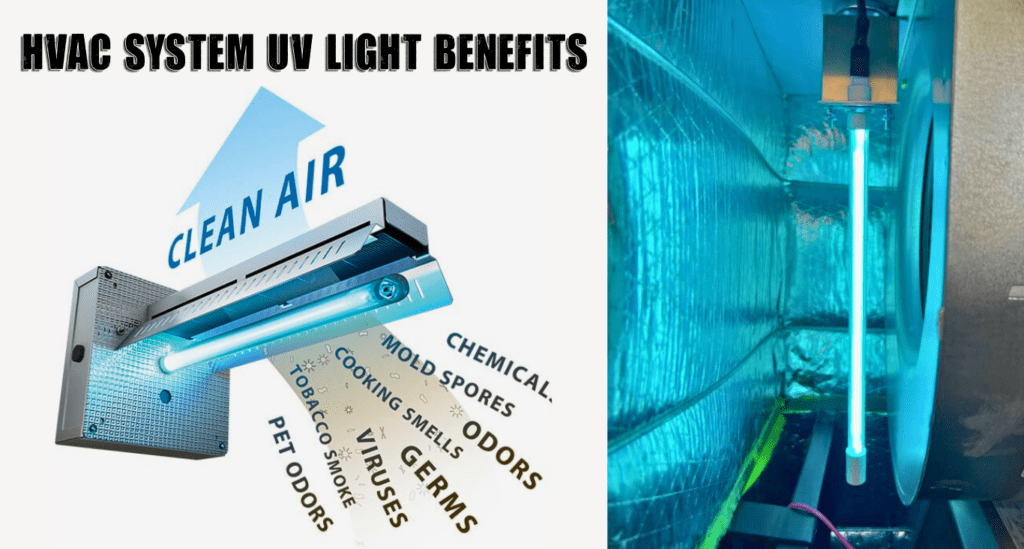
Table of Contents
Introduction to UV Lights for HVAC Systems
You know that feeling when your HVAC system decides to quit right before a heatwave or a cold snap? Classic. Well, here’s the thing—your system isn’t just being dramatic. All those tiny, invisible troublemakers like mold, bacteria, and other gunk love setting up camp in there, making it work harder and break down faster. Enter UV lights: the unsung heroes of HVAC maintenance.
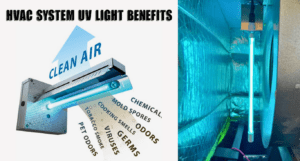
These little gadgets use ultraviolet light to fry the nasties lurking inside your system, keeping things cleaner, fresher, and way more efficient. Think of it as giving your HVAC unit a personal trainer—except way cheaper and without the endless motivational quotes. And let’s not forget the bonus: fewer breakdowns mean you’ll spend less time on the phone begging for emergency heating and cooling repairs and more time binge-watching your favorite show.
Key Features to Look for in UV Lights
When you’re picking out a UV lights for HVAC systems it’s not rocket science—but you’ll want to pay attention to a few important details. First, check the bulb’s wattage and output. A weak UV light isn’t going to do much more than add a cool glow to your system, and that’s not exactly what you’re paying for. Aim for a light that’s strong enough to zap mold and bacteria into oblivion without overloading your heating and air conditioning system.
Next, take a look at the lifespan. Some bulbs barely last long enough to feel like they were worth the effort of installing. Go for one that promises a good long run, so you’re not constantly swapping it out like bad batteries in a remote. Also, check the materials—it shouldn’t feel like it’ll snap if you look at it wrong.
Ease of installation is another biggie. Some of these lights make it feel like you need a PhD to get them in place. Others? A screwdriver and a few minutes of patience, and you’re golden. Look for a model with straightforward instructions that won’t leave you pulling your hair out or Googling “how to install UV light without losing my mind.”
Oh, and compatibility—don’t forget that! Not all UV lights fit every HVAC system. Double-check that the one you’re eyeing works with yours, or you’ll end up with a fancy paperweight. Bonus points if it’s designed with low-maintenance in mind, because let’s be real—no one is dying to spend their weekends tinkering with their HVAC unit.
Top UV Light Options for Home HVAC Systems
When it comes to UV lights for your HVAC system, there’s no need to overcomplicate things or sell a kidney to afford one. Some brands have nailed the sweet spot between quality and affordability, and they deserve a shoutout. Take Honeywell, for instance. Known for reliable, no-nonsense products, their UV lights are tough on mold and bacteria but easy on your wallet. Plus, they’re designed with the average person in mind—no engineering degree required to figure them out.
Then there’s OdorStop, a brand that doesn’t mess around. Their UV lights pack enough punch to handle all the nasties hiding in your system, and the HVAC UV light installation process is refreshingly straightforward. If you’ve got a screwdriver and can follow a set of instructions without flipping the table, you’re good to go. Bonus points for their solid reputation among homeowners who don’t have endless hours to waste on maintenance.
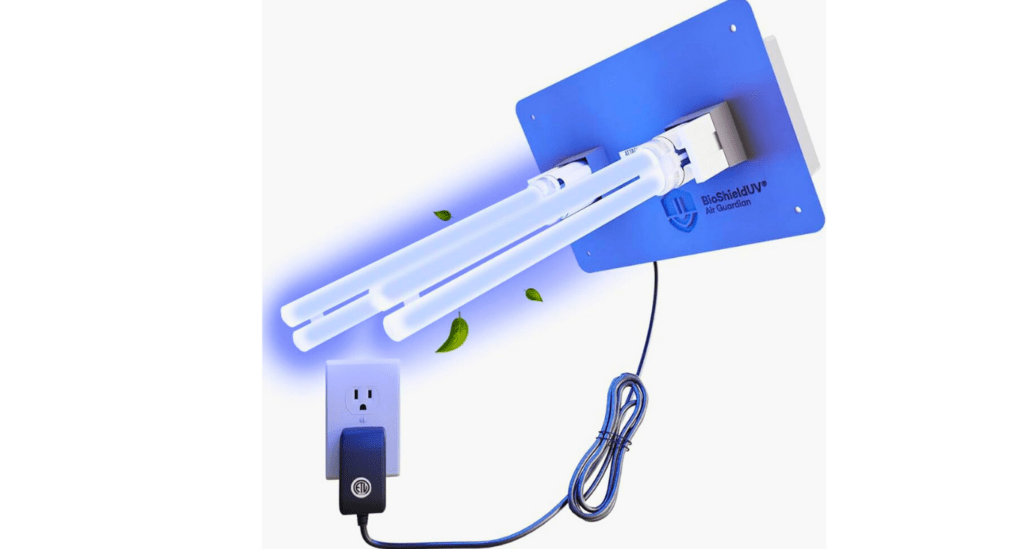
For those wanting something a bit flashier (but not too flashy), Bio-Shield offers UV lights for HVAC systems that are effective and efficient. They’re also designed to keep energy consumption low, which means they’re not going to sneakily add to your power bill. Who doesn’t love that?
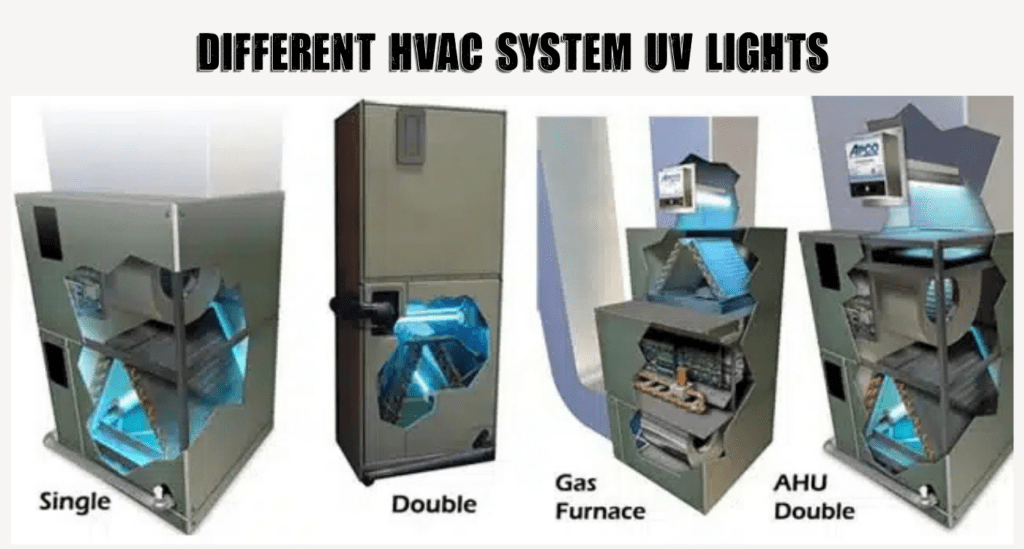
And if you’re the type who likes options, consider looking into APC’s UV lights. They offer different models to suit various HVAC setups, so you’re not stuck trying to make something work that clearly doesn’t fit.
No matter which brand catches your eye, keep an eye out for features like sturdy materials and long-lasting bulbs. The last thing you want is to feel like you bought a dollar-store flashlight pretending to be something fancier. Stick with well-reviewed options, and you’ll be breathing easier—literally and figuratively—in no time.
Installation and Maintenance Tips
Installing a UV light in your HVAC system might sound like something out of a sci-fi movie, but trust me, you don’t need to be a rocket scientist to get it done. Most systems come with straightforward instructions—think “insert tab A into slot B” kind of stuff. At worst, you might need a screwdriver and maybe a YouTube video to boost your confidence. Just remember to turn off your HVAC system before you start poking around in there. Safety first, folks!
Once it’s installed, the maintenance part is pretty low-key. You’re basically making sure the light doesn’t get all dusty and gross. A quick wipe-down every so often should do the trick—just don’t go spraying it with your all-purpose cleaner like you’re scrubbing your kitchen counters. When the bulb starts to dim or burn out, swap it with a new one. It’s not a “wait until it completely dies” situation, unless you enjoy letting mold throw a party in your heating and air system while you procrastinate.
If your light has a warranty, keep track of it. Nobody likes surprises, especially the kind that cost money. And hey, if you’re really not feeling the DIY vibes, you can always bribe—uh, hire—a professional heating and air conditioning company to take care of it. But honestly, it’s not that complicated, and you’ll get major bragging rights for doing it yourself.
Cost vs. Benefits of Using UV Lights

Let’s talk dollars and sense, shall we? Installing a UV light in your HVAC system might feel like splurging on the fancy guac at first, but it’s actually more of a savvy life hack. For starters, your HVAC unit won’t have to fight a losing battle against all the gross stuff clogging it up, which means it can do its job without guzzling energy like your cousin at an all-you-can-eat buffet. Lower energy use equals lower utility bills, and suddenly, your wallet isn’t crying every time the utility bill shows up.
And HVAC repairs? Forget about those wallet-draining emergencies where your heating and cooling unit decides to stage a dramatic exit just when you need it most. A UV light helps keep everything running smoother and cleaner, so you’re not stuck calling in reinforcements every few months. Translation: fewer “surprise” expenses that make you wonder why you ever became an adult in the first place.
But wait, there’s more. UV lights also extend the lifespan of your HVAC system because, let’s face it, a system that isn’t constantly choking on mold and bacteria is going to last a whole lot longer. And a longer-lasting system means you’re not forking over thousands for a cooling or heating repair or replacement anytime soon. Honestly, what’s not to love about keeping that cash where it belongs—firmly in your bank account?
And let’s not overlook the less tangible perks. Breathing in cleaner air because your HVAC system isn’t doubling as a bacteria breeding ground? Priceless. Fewer allergens, less dust, and a home that doesn’t smell like a gym bag? Even better. All this without you having to lift a finger beyond swapping a bulb now and then. It’s practically like passive income, but for air quality. Sure, the upfront cost stings a little, but once you see the payoff, you’ll wonder why you didn’t jump on this bandwagon sooner.
Common Concerns and Misconceptions

Alright, let’s tackle some of the usual doubts floating around about UV lights for HVAC systems. First off, no, these aren’t magic wands, and they’re definitely not going to make your system invincible. But do they help? Absolutely. Think of them as the security team for your HVAC system—kicking out the gross stuff like mold and bacteria before they start wrecking the place.
Now, some folks hear “UV” and immediately think of sunburn or weird side effects. Relax. These lights aren’t out to ruin your day—or your skin. They’re safely tucked inside your HVAC system, zapping the bad guys without interfering with your Netflix marathons or family dinners. Just don’t stare at the bulb like it’s a solar eclipse during installation, and you’ll be fine.
Another common worry? The cost. Yes, you’re shelling out some cash up front, but you’re not exactly buying a yacht here. These lights are designed to save you money in the long run by keeping your HVAC system efficient and cutting down on repair bills. Plus, the air in your home will feel fresher, and isn’t that priceless?
Some skeptics think UV lights are just a gimmick. Spoiler alert: they’re not. They’ve been used in hospitals and other serious settings for years, so if they’re good enough for sterile environments, they’re definitely good enough for your home. And no, they’re not going to turn your heating air conditioning system into a rave machine—though that would be kind of hilarious.
At the end of the day, UV lights aren’t trying to be the star of the show; they’re just quietly doing the dirty work so that your heating and air unit can do its job. So maybe cut them some slack, huh? They’re on your side.
Conclusion
UV lights for HVAC systems hold many benefits. Although, they do cost a little more the good normally outweighs the bad. If you are considering installing UV lights into heating and cooling system, I advise contacting a local residential or commercial heating and air company and asking them some questions and suggestions first.
For HVAC tips, be sure to read our following related articles. Also, don’t forget to check out our most asked questions with answers about UV lights for HVAC systems.
FAQs
What Do UV Lights Do for HVAC Systems?
UV lights are a gamechanger for improving indoor air quality by addressing pollutants and microorganisms in your HVAC system. Designed to work alongside your existing system, these lights focus on targeting harmful particles that can affect your home’s air. Whether you’re dealing with allergies, respiratory concerns, or just want a cleaner environment, UV lights provide a proactive solution. With growing popularity, they’re becoming an essential feature for households aiming to maintain a healthier living space.
How Do UV Lights Work in HVAC Systems?
UV lights in HVAC systems emit UV-C rays that target microorganisms, disrupting their DNA and rendering them inactive. Two types of UV lights are commonly used: coil sterilization lights, which continuously clean the coils inside the air handler, and air sterilization lights, which treat moving air to neutralize harmful particles. These lights work within the system to help reduce contaminants, contributing to cleaner air and a more efficient HVAC operation.
What Are the Benefits of Using UV Lights for HVAC Systems?
UV lights for HVAC systems help create a cleaner and healthier indoor environment by targeting contaminants that can affect air quality. They can reduce allergens, bacteria, and mold, making them especially helpful for individuals with respiratory concerns. Additionally, by keeping the HVAC system cleaner, these lights can improve its efficiency, leading to lower energy use and less strain on the system. With fewer pollutants building up, you may also experience reduced maintenance needs over time, adding to the convenience and cost-effectiveness.
What are Some Common Concerns About UV Lights in HVAC Systems?
Some people worry about the potential costs of replacing UV lights, as they generally need to be changed annually. However, consistent replacements ensure the lights function effectively in keeping your HVAC system clean. Another concern is whether the UV lights might damage HVAC components. When professionally installed and used as intended, the lights are safe for your system. If you’re unsure about installation or maintenance, consulting a professional can provide peace of mind and optimal performance.
How Hard is Installation and Maintenance of UV Lights?
A professional installer can help position UV lights for the best results and ensure safety standards are met. Maintenance involves periodically inspecting the lights to confirm they are working properly. UV bulbs typically need replacement once a year, as their effectiveness diminishes over time. Regular checks also help identify any issues early, preventing potential problems with your HVAC system. By staying consistent with maintenance, you can enjoy the full benefits of improved air quality and system efficiency.
What Are the Cost Considerations of Installing UV Lights for HVAC Systems?
The price for UV lights in HVAC systems depends on the type and features you choose. Some models offer advanced options that may increase the cost but provide added benefits. While budgeting, consider long-term savings from improved energy efficiency and reduced maintenance needs, which can help offset the initial expense.
Related Articles