High-Efficiency Heat Pumps: Say Goodbye to Sky-High Bills
Rick Moore
ECSi Team Member
Date Published: 1/13/2026
Table of Contents
Introduction to High-Efficiency Heat Pumps
Alright, let’s get real—no one wakes up excited about their heating and cooling system. But hear me out because High-Efficiency Heat Pumps are about to become the unsung hero of your home. Picture this: a single system that keeps you cool in the summer and warm in the winter, all while slashing your energy bills. It’s like having a personal assistant that’s great at multitasking, except it doesn’t roll its eyes when you ask for help.
These heat pumps are designed to use less energy while delivering the same (if not better) comfort than your old system that’s been limping along for years. And no, they’re not magic—they just use smart technology to transfer heat instead of generating it, which is way more efficient. Who knew science could be this helpful?
Plus, they’re quiet. Like, so quiet you might forget it’s even running—unlike that clunky relic in your basement that sounds like it’s auditioning for a horror movie. High-Efficiency Heat Pumps are here to simplify your life, cut down your utility costs, and take one more worry off your plate. Because let’s face it, life’s too short to deal with an HVAC system that’s barely holding on.
Energy Savings and Cost Benefits
Let’s talk about the best kind of math: the kind that saves you money. High-Efficiency Heat Pumps are basically the valedictorians of energy savings. Instead of guzzling electricity like it’s their last meal, they sip just enough to get the job done. How? By moving heat instead of making it from scratch—because why work harder when you can work smarter?
And here’s where it gets really fun: less energy use means lower bills. Picture this—your utility bill arrives, and instead of feeling like you’ve been personally victimized by your HVAC system, you actually feel… fine. Maybe even good. Imagine what you could do with the extra cash: finally tackle that kitchen reno or splurge on something ridiculous like a heated towel rack (because who doesn’t love warm towels?).
Oh, and don’t even get me started on the long-term savings. Sure, upgrading to one of the High-Efficiency Heat Pumps might feel like a big investment upfront, but over time? You’ll likely save enough to make it all worth it—and then some. Plus, you’re dodging the financial headache of constant heating and air conditioning repairs and the energy waste from an older, inefficient system. That’s what we call a win-win, folks.
So yeah, these heat pumps might not have a fancy cape, but they’re basically superheroes when it comes to slashing your energy costs. And honestly, who doesn’t want to save money while staying comfy?
Improved Reliability and Lower Maintenance Needs
High-Efficiency Heat Pumps are like the low-maintenance friend everyone wishes they had. They don’t demand constant attention, throw tantrums, or need last-minute fixes at the worst possible times. These systems are built tough, designed to handle your heating and cooling needs without breaking a sweat—or breaking down.
Unlike your old system, which probably acts like it’s auditioning for a reality show with all its drama, these heat pumps just do their job. No fuss, no theatrics. And guess what? They’re less likely to leave you scrambling for a heating or air conditioning repair company during a blizzard or a heatwave.
And because they’re built with modern technology (read: not stuck in the 1980s), they’re engineered to last longer and stay efficient with minimal heating and cooling maintenance and upkeep. No more trying to remember when you last changed the filter or wondering why the thing sounds like a dying robot. With fewer moving parts and better design, they’re just easier to keep happy.
Of course, that doesn’t mean you can ignore them completely. A little love—like a yearly check-up from someone who knows their way around HVAC systems—can go a long way in keeping things running smoothly. But compared to the constant babysitting your old system probably needed, it’s a walk in the park. Reliable, efficient, and way less needy—what’s not to love?
Environmental Impact
Let’s be real—saving the planet can feel like a full-time job, but High-Efficiency Heat Pumps are here to make it way easier. These systems work smarter, not harder, using energy more efficiently and helping to cut down on greenhouse gas emissions. So, while your old clunker of a system is out there guzzling power like a frat boy at a soda fountain, a heat pump is quietly doing its thing and leaving a much smaller carbon footprint in the process.
And no, you don’t have to live off grid in a yurt to make a difference. Just upgrading to one of these eco-friendly HVAC system marvels is a step in the right direction. It’s like planting a tree, but without all the dirt and bugs. Plus, using less energy doesn’t just help the planet—it helps you. (Remember those lower bills we mentioned? Yeah, it’s a win all around.)
Even better, many High-Efficiency Heat Pumps use refrigerants that are more environmentally friendly than older systems, so you’re doing your part to keep the ozone layer intact. It’s kind of like being a superhero, except you don’t need a cape or a tragic backstory—just a better heating and cooling system. So, go ahead, pat yourself on the back for making a choice that’s as kind to the earth as it is to your bank account.
Choosing the Right Heat Pump for Your Home
Picking the right High-Efficiency Heat Pump isn’t exactly a one-size-fits-all situation. You can’t just point to the fanciest model and call it a day—though wouldn’t that be nice? Instead, it’s all about matching the system to your home’s unique needs. First off, size matters (yes, we went there). A system that’s too small will be working overtime, and one that’s too big will waste energy like your cousin who leaves all the lights on. Then there’s the climate to think about. Live somewhere with frosty winters? You’ll need a model that can handle the chill without tapping out halfway through January. If you’re in a milder spot, you might not need all the bells and whistles.
Oh, and don’t forget your budget. Nobody’s saying you should throw down your life savings here, but remember, a heat pump is an investment—not just another box that takes up space in your basement. A good, licensed HVAC company can help you make sense of efficiency ratings and rebates without the headache of Googling for hours. Just do yourself a favor and skip the temptation to DIY this one; unless you moonlight as an HVAC tech, you’ll want a residential or commercial heating and cooling company to handle the setup. Trust us, it’s worth it.
Finding Reliable Service Providers
Okay, so you’ve decided to upgrade your system—congrats! But now comes the fun part: finding someone who actually knows what they’re doing. Spoiler alert: not all HVAC companies are created equal. You don’t want to end up with someone who treats your heating and cooling installation like a science fair project. Look for professionals with solid reviews and, you know, actual experience. Bonus points if they’re the type who answers your questions without making you feel like you just asked what 2 + 2 is.
And let’s talk about maintenance plans. A good air conditioning and heating service provider will offer options that don’t feel like you’re signing away your firstborn. Regular check-ups should keep things running smoothly, not feel like a monthly subscription to frustration. If they try to upsell you on services you don’t need, that’s your cue to politely run for the hills.
Oh, and don’t forget to ask about warranties and guarantees. A reputable company will stand behind their work—because nothing says “trust us” like a solid guarantee that doesn’t involve fine print the size of an ant.
Lastly, skip the Craigslist guy promising to fix your system for the price of a fast-food combo. You don’t need that kind of drama in your life. Spend the time to find a pro who knows their stuff, and your heat pump (and sanity) will thank you later.
Conclusion
Alright, let’s wrap this up. High-Efficiency Heat Pumps aren’t just some shiny new gadget—they’re the upgrade you didn’t know your home needed. Imagine fewer surprise breakdowns, lower energy bills, and an HVAC system that just quietly does its job without demanding a medal. Sounds dreamy, right?
Upgrading might seem like a hassle at first (we get it, change is hard), but think of it this way: it’s one less thing to stress about. You’re not just getting a heating and cooling system; you’re buying yourself peace of mind. And honestly, can you really put a price on not having to deal with that clunky old system that’s practically begging to retire?
Plus, let’s not ignore the planet points you’ll rack up. Every time your heat pump runs efficiently, you’re not only saving money but also being kinder to the environment. So yeah, it’s a win-win—you get to save cash and feel smug about being eco-friendly.
In the end, upgrading to a High-Efficiency Heat Pump is kind of like treating your home to a spa day, except the benefits stick around for years. So go on, take the leap, and enjoy a comfier, more efficient future. You’ll wonder why you didn’t do it sooner.
For more heating and cooling tips that could save you money, be sure to read our following related articles. Also, don’t forget to check out our most asked questions and answers regarding High-Efficiency Heat Pumps.
FAQs
How Do High-Efficiency Heat Pumps Work?
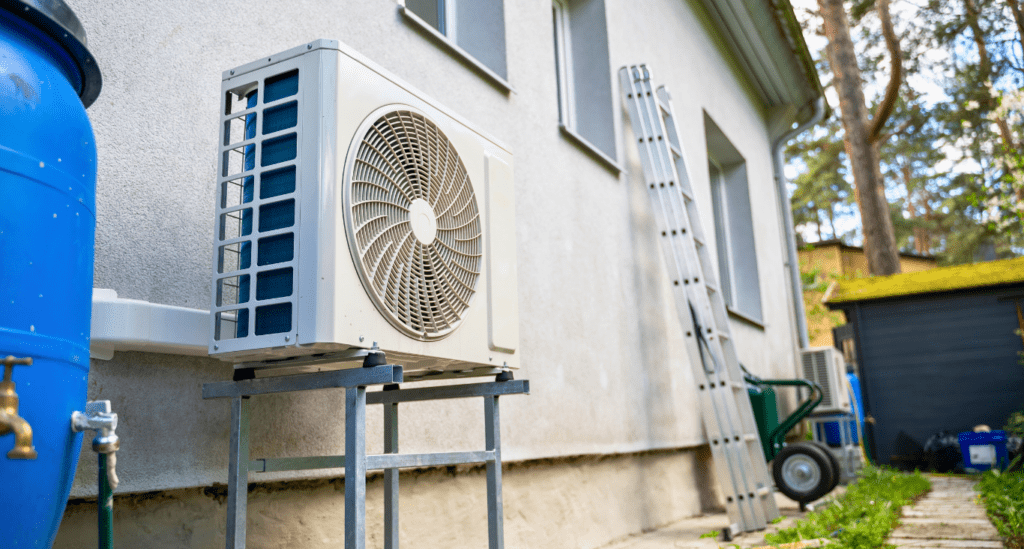
High-efficiency heat pumps work by moving heat instead of generating it, making them more energy-efficient than many traditional systems. They rely on electricity to transfer heat, which allows for effective temperature control in both hot and cold weather.
These systems are particularly well-suited for those aiming to reduce energy usage, as they offer an efficient alternative to conventional heating and cooling methods. By utilizing advanced technology, high-efficiency heat pumps deliver consistent performance and comfort throughout the year. Their ability to provide both heating and cooling makes them a versatile option for maintaining a comfortable indoor environment.
What Are the Benefits of High-Efficiency Heat Pumps?
High-efficiency heat pumps offer an excellent way to cut energy costs while maintaining a comfortable home. Their dual heating and cooling functionality provides year-round use, making them a practical choice for varied climates. These systems operate quietly and require less maintenance compared to some traditional HVAC systems.
Additionally, many models come with advanced features like smart thermostats and zoning capabilities, enhancing convenience and control over indoor temperatures. With their reliance on electricity, they also help reduce reliance on fossil fuels, contributing to cleaner energy usage. Many homeowners also benefit from incentives that make upgrading to these systems more affordable.
What Are the Installation Costs?
Installation costs and timelines vary based on home size and system complexity. Many energy-efficient systems qualify for state rebates or tax incentives, helping reduce upfront expenses. Installers typically aim to complete the process with minimal disruption, ensuring a smooth transition. To prepare, clear the area around where the unit will be placed and confirm the system’s compatibility with your home’s electrical setup. Professional consultation before installation can provide clarity on specific requirements and any adjustments needed for optimal performance.
What Can I Do to Help Maintain My Heat Pumps?
To keep your heat pump in good condition, check and clean filters regularly to maintain airflow and efficiency. Ensure the outdoor unit stays clear of leaves, dirt, and other debris that can obstruct its operation. Schedule professional inspections annually to address potential issues early. Pay attention to changes in performance, such as unusual noises or uneven temperatures, as these may indicate a need for servicing. Maintaining proper airflow and addressing small issues promptly can prevent larger, more expensive problems.
What Do I Do If My Heat Pump Is Acting Strange?
If your heat pump isn’t working as expected, start by checking for blocked vents or a tripped circuit breaker. Dirty filters can also affect performance and should be replaced regularly. Odd noises or inconsistent temperatures may signal the need for professional attention. If airflow seems restricted or the unit struggles to maintain the set temperature, it’s worth scheduling a service call to inspect for potential issues like refrigerant levels or mechanical wear.
How Do I Choose the Right High-Efficiency Heat Pump for My Home?
Consider energy efficiency ratings, system features, and compatibility with your home’s electrical setup when selecting a heat pump. Advanced options like smart controls or zoning may provide added value. A professional consultation can help identify a model that matches your specific needs while optimizing performance and energy savings.