Keeping Gas Leaks Out of Your Home: Winter Safety 101

Rick Moore
ECSi Team Member
Date Published: 12/29/2025
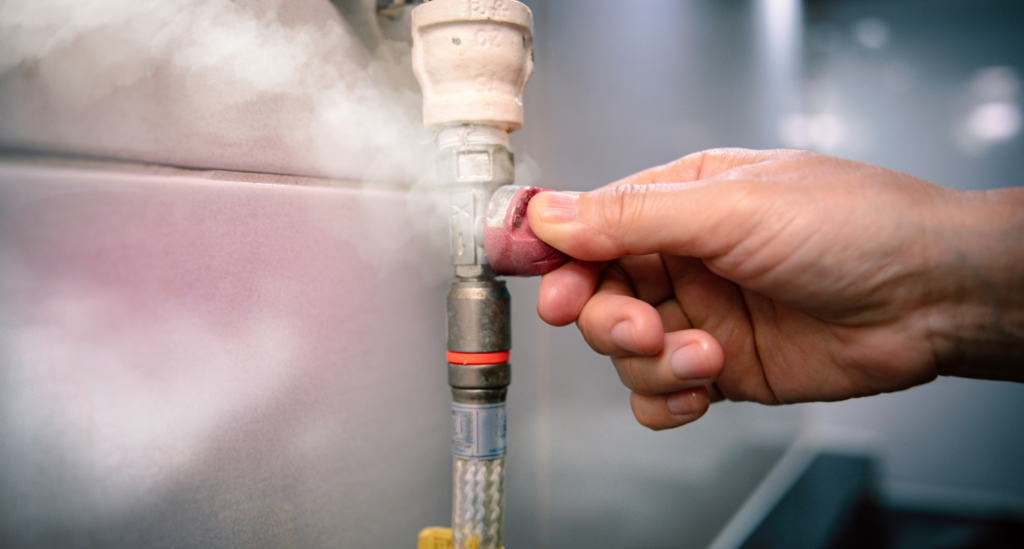
Table of Contents
Understanding Gas Leaks
Let’s talk gas leaks—everyone’s favorite thrilling winter mystery. Picture this: gas, that unruly troublemaker, deciding it’s time to escape your pipes like it’s auditioning for a prison break movie. Natural gas itself is practically a magician—it’s invisible and odorless, so you wouldn’t even know it’s plotting an exit unless someone told you. Luckily, it’s been tagged with that lovely rotten egg scent so your nose can act as the alarm system. (Yes, your olfactory skills are now officially part of the team. Congrats.)
A gas leak can happen for all kinds of reasons, but one thing’s for sure: it’s never sending you a polite heads-up. Maybe a gas line is damaged, or maybe your appliances are channeling their inner rebellious teenager and malfunctioning. Either way, when gas leaks, it’s not just sneaky—it’s dangerous. This isn’t like finding a drafty window or realizing you forgot to preheat the oven. Nope, a gas leak means it’s time to pay attention.
Oh, and let’s not forget the real plot twist here: gas leaks don’t just stay in one place. They can spread through your home faster than gossip at a family reunion. You might notice symptoms like headaches, nausea, or dizziness, which, while not ideal for anyone, should definitely clue you in that something isn’t right. It’s almost like gas leaks come with their own warning system—except instead of flashing lights, you feel terrible. Delightful, isn’t it?
So, what’s the deal with this added egg smell anyway? It’s called mercaptan, and while it smells like something out of your worst breakfast nightmare, it’s actually your first line of defense. If you get a whiff, it’s basically gas telling you, “Hey, I’m here!”—except way less friendly and way more urgent. Your job? Don’t ignore it, Sherlock.
Winter's Effect on Gas Lines
Winter has a funny way of turning everything into a hassle, doesn’t it? Sure, it looks all magical with its snowflakes and icicles, but behind the scenes, it’s busy making life miserable for your gas lines. Those freezing temps? Yeah, they’re not just making you layer up like a human burrito—they’re also messing with your pipes. Cold weather can cause your gas lines to shrink and, occasionally, crack like they’ve just had enough of this whole “holding gas” thing. It’s almost like they’re throwing a tantrum, but instead of yelling, they just quietly let gas slip out. Nice, right?
And don’t even get me started on the snow and ice. Winter doesn’t stop at just freezing your pipes; it goes all out by dumping heavy snow piles on them too. That extra weight can put pressure on the pipes, making them even more prone to leaks. It’s like winter’s saying, “How can I make things even more annoying? Oh, I know!” Add some shifting ground from frost heaves into the mix, and it’s basically chaos down there. Your gas lines are working overtime to survive, poor things.
But wait, there’s more! Let’s talk about ice buildup around your meter and outdoor gas lines. When snow melts during the day and refreezes at night, it’s not just making your driveway a skating rink. That ice can damage the gas lines and connections, leading to—you guessed it—potential leaks. Winter might as well be auditioning for the role of Worst Houseguest Ever.
So, while you’re out there marveling at the snow-covered trees and cursing your frozen windshield, spare a thought for your gas lines. They’re stuck in this frosty mess too, and they’re definitely not thrilled about it. Who knew winter was such a drama queen?
Preventive Measures
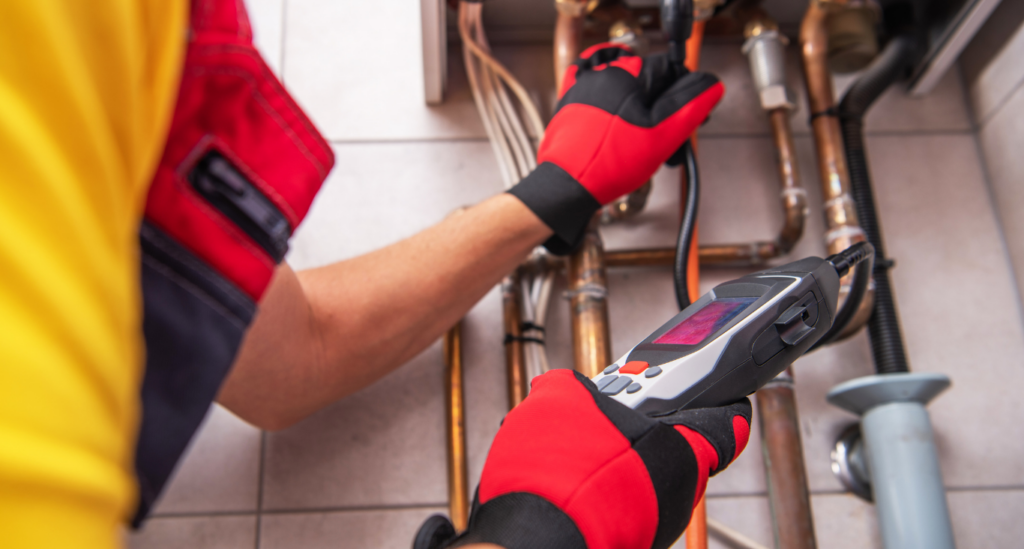
Alright, let’s talk prevention—it’s not the most glamorous topic, but neither is dealing with a gas leak in the middle of winter, so here we are. The best way to avoid gas-line drama is to baby those pipes like they’re the star of a reality show. Start with a professional gas line inspection. I know, I know—calling someone in to poke around your house doesn’t sound thrilling, but trust me, it’s way better than the alternative. Professionals can spot tiny issues before they turn into full-blown catastrophes. Think of it like a gossip column for your gas lines—they find the dirt before it becomes a scandal.
Next up: insulation. Your gas lines don’t love freezing temperatures any more than you do, so keeping them cozy is a must. There are all kinds of products out there, from pipe wraps to heating cables, so you can dress them up like the overworked MVPs they are. Bonus: insulated pipes are less likely to crack, which means fewer headaches for you. Everyone wins!
Now let’s address outdoor gas meters because they’re out there battling the elements 24/7. Clear away snow, ice, and any other nonsense Mother Nature throws at them. Use a broom, not a shovel—unless you’re auditioning for a role as “Person Who Accidentally Broke the Gas Meter.” Nobody wants that part. And while you’re at it, make sure there’s nothing blocking the vents and exhaust pipes. Blockages are like putting your hand over someone’s mouth while they’re trying to breathe. Rude, right?
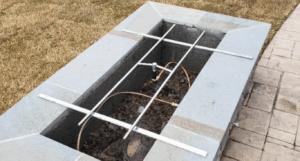
And hey, don’t forget about your appliances like outdoor fire pits. Regular maintenance is key to keeping them from going rogue. Check that they’re working correctly and ventilating properly, or you might end up with a situation that’s less “cozy family winter” and more “why does my stove hate me?” It’s all about staying one step ahead, folks.
Emergency Protocols
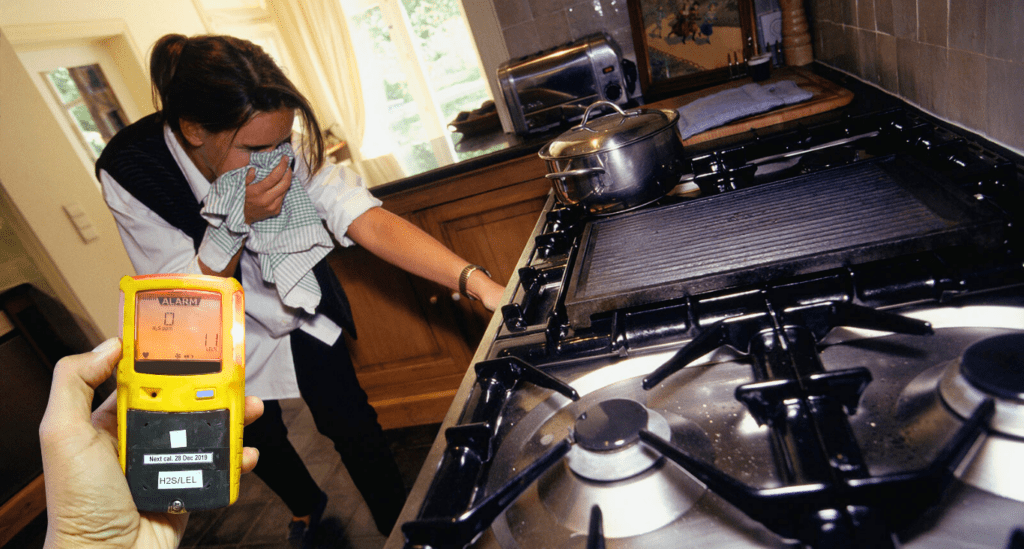
Alright, so you’ve got that delightful rotten egg aroma wafting through your home—congrats, it’s officially time to take action. First off, resist every urge to play detective and start flipping switches or lighting candles. This is not the time to channel your inner Sherlock or set the mood for a gas-leak mystery dinner. Electricity and open flames? Yeah, those are the frenemies of natural gas. Let’s not give your house an unplanned fireworks display.
Instead, step one: get everyone (pets included!) out of there faster than someone leaving a bad party. No detours to grab your favorite snacks or check your TikTok notifications—just go. Once you’re safely outside, put some distance between you and your house. The farther away you are, the less likely you are to become an unfortunate headline.
Next, channel your calm, collected self (or fake it) and call the gas company. Their emergency line exists for this exact situation. And no, don’t even think about texting or Googling for DIY gas-leak solutions while you wait. This is one for the pros, not the internet. Speaking of calling people, don’t dial up your best friend to tell them about your near-brush with disaster until you’re fully safe. Let’s keep the gossip for later.
While you’re standing out in the fresh, non-egg-scented air, make sure no one else goes back inside. Your neighbor who’s always “helpful”? Tell them to stand down. Trust me, they’re not qualified for this kind of heroics. And absolutely no matches or lighters, not even if someone claims they’re cold. This is a gas leak, not a camping trip.
Finally, just wait for the experts. They’ll show up with their gadgets, expertise, and general air of competence to save the day. Your only job is to stay out of the way and maybe mentally add “survive a gas leak” to your list of accomplishments.
Energy Conservation Tips
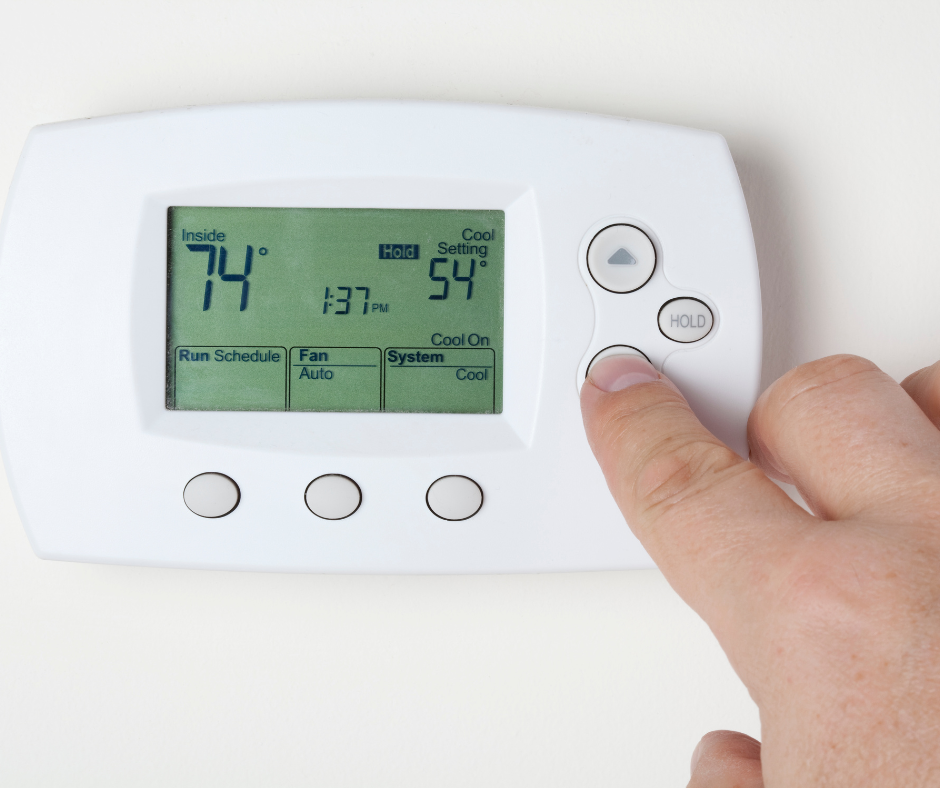
Look, winter’s already doing its best to turn your home into an icebox, so why not fight back and give your gas line a little break while you’re at it? Let’s start with the basics: keeping the warm air in your home and the cold air out. If your house has more drafts than an unfinished novel, it’s time to plug those gaps. Think weatherstripping, draft stoppers, or just a heavy-duty guilt trip to get someone else to do it for you. Bonus points if you manage to make your house feel less like a wind tunnel and more like, well, a house.
Now, about that thermostat. Cranking it up to tropical vacation levels isn’t the answer. Instead, consider programming it to match your schedule. You’re not home during the day? Let the temp dip a little—your couch doesn’t care if it’s chilly. And at night, pile on those blankets. You’ll sleep better, and your gas bill will thank you.
Speaking of bills, your appliances are secret energy hogs if you’re not careful. Keep them in good working order and make sure they’re running as efficiently as possible. That means cleaning your furnace filter regularly—yeah, that thing you haven’t checked in months. A dirty filter is basically the appliance equivalent of trying to breathe through a straw, and no one enjoys that.
Let’s not forget about windows. If yours are basically letting in cold air like an open-door policy, cover them up with thermal curtains or plastic film. It’s not the height of home décor, but hey, staying warm beats looking Pinterest-perfect.
Finally, remember to use your fireplace strategically if you’ve got one. Sure, it’s cozy and gives off all the winter vibes, but it can also suck the warm air right out of your house if you’re not careful. Close the damper when it’s not in use, or you might as well be heating the whole neighborhood.
Conclusion
By following the gas line winter safety tips, you have learned here today, you should be able to prevent any gas leaks from happening in your home any time soon. For more gas line information and tips, be sure to read our following related articles.
For more information on residential and commercial HVAC issues as well as heating and air conditioning repair, installation, and maintenance tips, be sure to check out our blog HERE. Also, don’t forget to read our most asked questions with answers about how to prevent gas leaks in your home.
FAQs
What Causes Gas Leaks?
Gas leaks can happen when natural gas or propane escapes due to damaged pipes, loose connections, or poorly maintained appliances. They pose serious risks, including fire hazards and health concerns, particularly during colder months when gas use increases. Common causes include aging equipment, improper installations, or neglected maintenance.
Natural gas is highly combustible, making even small leaks dangerous. This is why identifying potential issues early is critical. Regular checks for wear and tear on pipes and appliances can help detect vulnerabilities before they become hazardous. Additionally, understanding the conditions that increase the likelihood of leaks, such as extreme temperature changes in winter, can help homeowners take necessary precautions to reduce the chance of dangerous situations developing indoors.
What Are Some Preventative Measures for Gas Leaks?
Regular upkeep of gas appliances and connections is key to reducing the risk of leaks. Check for visible damage like cracks, rust, or loose connections on stoves, furnaces, and water heaters. Tighten fittings and replace worn components as needed. Schedule routine servicing according to manufacturer guidelines to ensure appliances remain in good working order.
Replace HVAC filters frequently to maintain proper airflow and reduce strain on the system. Prioritize professional inspections for gas lines and appliances before the colder months, as increased usage during winter heightens the chance of issues arising. Small actions, such as keeping appliances clean and monitoring for unusual odors or noises, can help identify potential problems early and keep systems functioning efficiently.
What Are Signs of a Gas Leak?
A rotten egg smell is a key indicator of a gas leak, as this scent is added to help detect leaks quickly. You might also notice unusual sounds, such as hissing or whistling, near gas lines or appliances. Discolored or dead vegetation in areas where gas lines run can signal an underground leak. Physical symptoms like headaches, dizziness, or nausea when indoors may suggest exposure to gas. Pay attention to these warning signs and remain alert to any sudden changes in your environment that could point to a potential issue with your gas system.
What Are Safety Steps to Take?
If you think there’s a gas leak, leave the area immediately and avoid creating sparks by using devices or switches. Open windows and doors to allow ventilation before exiting. Once safely outside, contact your gas provider or emergency services to address the issue. Stay away from the property until a qualified professional confirms it is safe to return.
When Do I Need Professional Assistance?
When dealing with gas systems, some tasks require the expertise of trained professionals to ensure safety and proper functionality. A licensed technician can assess your gas appliances, check connections, and identify potential risks that may not be visible to an untrained eye. They also have the tools and knowledge to carry out necessary repairs or replacements efficiently.
Scheduling inspections and maintenance with a trusted professional can help extend the lifespan of your appliances and prevent unexpected issues during high-demand periods, like winter. To find dependable services, research companies with strong customer reviews, fair pricing, and proper certifications. Taking these steps ensures your gas system operates safely and efficiently, providing peace of mind for you and your household.
Related Articles