Electric Heating and Cooling Systems: What You Didn't Know!
Author: Rick Moore
ECSi Team Member
Date Published: 11/12/2025
Table of Contents
Introduction to Electric Heating and Cooling Systems
Let’s face it—life without electric heating and cooling systems would basically feel like one long camping trip, but without the fun snacks or scenic views. These systems are the quiet champions of modern comfort, making it possible to sip iced coffee indoors during a July heatwave or wrap up in a blanket without feeling like you’re starring in a polar expedition. They’re the techy little helpers we didn’t know we needed, blending efficiency with convenience to keep your home feeling just right, no matter what kind of chaos the weather throws at us.
Now, if you’re imagining some clunky, power-hungry machine guzzling energy like it’s at an all-you-can-eat buffet, think again. Today’s electric systems are sleeker, smarter, and way more energy-conscious than you’d expect. They’re like the cool cousin who casually knows everything about sustainability while still rocking the latest gadgets. And hey, with the right setup, you might even spend less on heating and cooling than you do on streaming subscriptions.
But before you start picturing a magical device that does all the work while you sit back like royalty, let’s keep it real. Even these types of HVAC systems have their quirks and need a bit of attention to stay in tip-top shape. Still, they’re a major upgrade from the days of layering three sweaters just to survive winter indoors.
Cost-Efficiency of Electric Systems
Let’s talk about electric heating and cooling systems and their potential to make your bank account breathe a little easier. Sure, they might not come with a bargain-bin price tag upfront, but think of it as an investment—like buying a fancy coffee maker instead of hitting up the overpriced café every morning. Over time, these heating and air conditioning systems can help you save on energy bills by running more efficiently than their gas-guzzling counterparts.
Plus, modern electric systems are designed to sip power, not guzzle it, which means they’re kinder to your wallet and the planet. And let’s not forget those rebates and incentives floating around for homeowners who choose energy-efficient HVAC systems. It’s like finding an extra fry at the bottom of the bag—unexpected but oh-so-satisfying.
Still not convinced? Picture this: a heating and air system that not only keeps you cozy but also costs less to maintain in the long run. No more holding your breath every time the monthly energy bill lands in your inbox. And while we’re here, think of all the cash you’ll save skipping out on emergency HVAC repairs for an outdated heating and cooling system that gives up at the first sign of extreme weather. So, while the initial price tag might make your wallet cringe, the savings you’ll see down the road will have it doing a happy dance in no time.
Maintenance Tips for Homeowners
Let’s be real HVAC maintenance isn’t exactly the most thrilling part of owning electric heating and cooling systems but ignoring it is like skipping oil changes on your car: it’s only fun until something starts smoking. The good news? Keeping your electric heating and air conditioning system in shape doesn’t require a degree in engineering or the stamina of an Olympic athlete. Start with the basics: clean or replace those filters like they owe you money. A clogged filter doesn’t just mess with airflow—it’s practically inviting your HVAC system to throw a tantrum.
And don’t forget about your vents. If they’re caked in enough dust to write “wash me” on them, it’s time to bust out the vacuum. Bonus: it’s an excuse to use all those weird attachments you never touch. While you’re at it, check the thermostat batteries. If your “smart” system suddenly seems about as responsive as a brick, dead batteries might be the culprit.
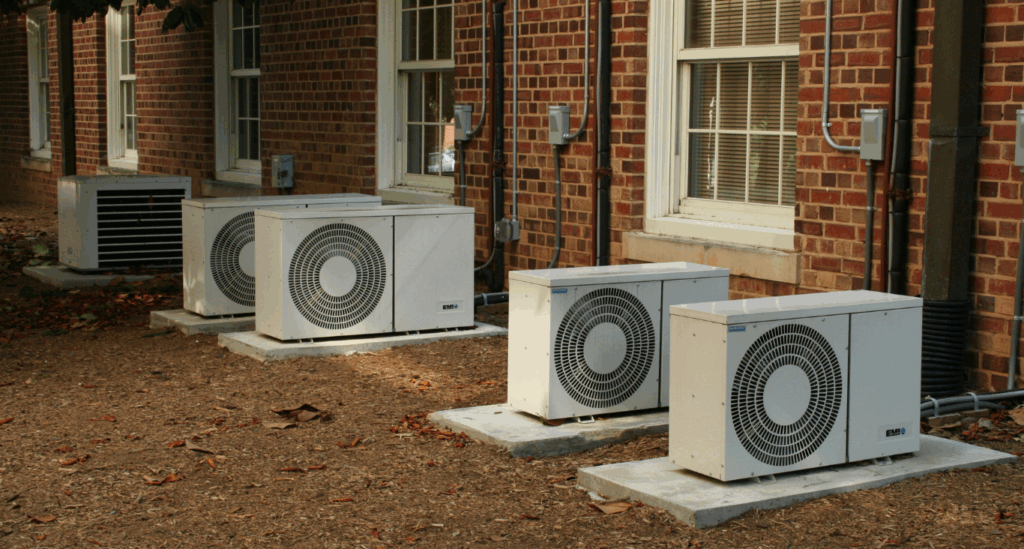
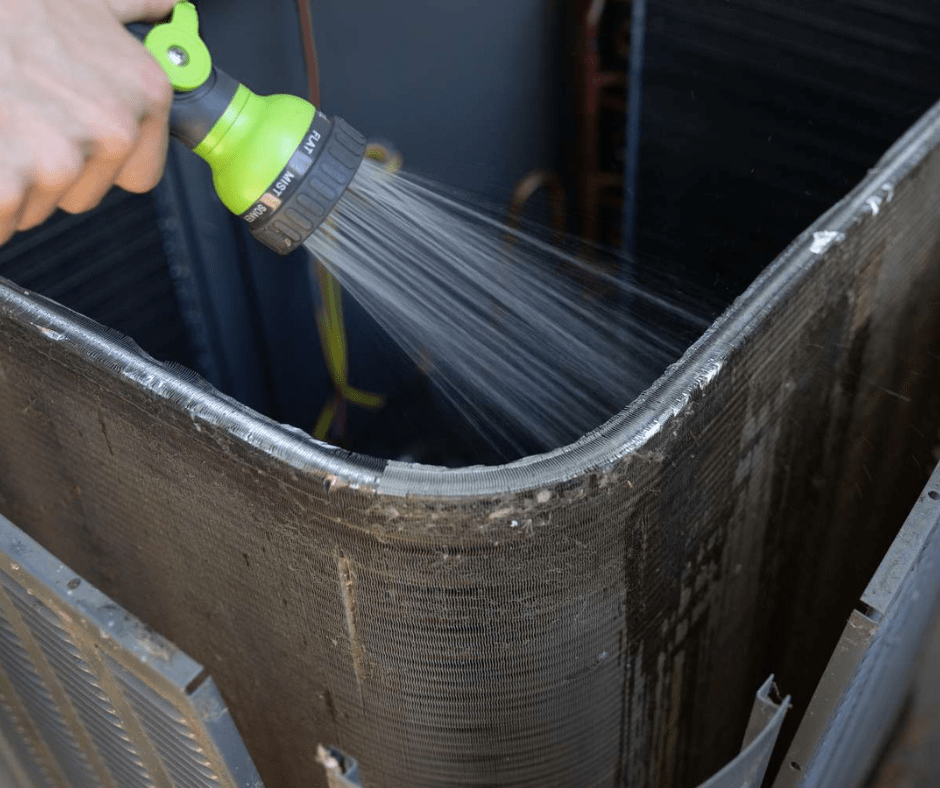
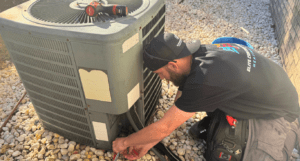
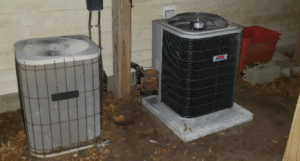
For the more adventurous, give your outdoor unit a little love, too. Clear away leaves, debris, or anything else nature decided to dump on it. Trust me, your heating and air system will thank you with fewer hiccups down the line. And if you hear noises that sound less like “working perfectly” and more like “the end is nigh,” call in a professional heating and air conditioning company before it escalates into a full-blown HVAC system horror story.
Common Problems and Solutions
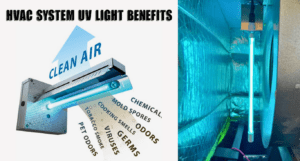
Electric heating and cooling systems are amazing—until they’re not. One day, you’re basking in perfectly conditioned air, and the next, you’re questioning if your house has been cursed. Let’s talk about the usual suspects behind those not-so-fun surprises. First up: weird smells. If your electric HVAC system starts belching out aromas that make you gag, it’s probably not just “air with character.” A musty odor could mean mold in the ductwork, while a burning smell might mean something more serious—like fried components. Either way, don’t just light a candle and hope for the best.
Then there’s the case of the lukewarm air when you’re desperately craving an Arctic blast—or vice versa. This might be a thermostat issue or a sign that your heating and air conditioning system needs a little TLC, like a refrigerant top-off or coil cleaning. Oh, and speaking of coils, frozen ones aren’t some cool party trick—they’re usually a sign your airflow’s all out of whack.
And let’s not forget the dreaded noises. If your electric HVAC system starts clanging, rattling, or groaning like it’s auditioning for a horror movie, something’s loose, broken, or about to quit on you entirely. Don’t ignore it. A small problem today can turn into a wallet-draining catastrophe tomorrow. Contact a heating and air conditioning repair company in your area before you’re stuck sweating—or shivering—through the consequences.
Choosing the Right Electric System
Picking the right electric heating and cooling systems isn’t exactly the kind of decision you make while half-asleep scrolling on your phone at midnight. It’s more like a match-making process, except instead of swiping left on bad profiles, you’re dodging systems that’ll either leave you sweating bullets or freezing like a popsicle. The trick? Start with the size. Bigger isn’t always better—just like an overly dramatic couch that doesn’t fit through your door, an oversized HVAC system will do more harm than good, constantly turning on and off like it’s confused about its own purpose in life.
Next, let’s talk efficiency ratings. These numbers may look like hieroglyphics at first glance, but they’re basically the decoder ring for your energy bills. A higher efficiency rating means your system works smarter, not harder, and your wallet doesn’t take a hit every time the weather decides to throw a tantrum.
And don’t underestimate the heating and air conditioning installation process. A top-tier system is only as good as the folks setting it up, so find installers who know their stuff. Bonus points if they actually show up on time and don’t leave your house looking like a post-apocalyptic disaster zone. Oh, and skip the bargain-bin deals that seem too good to be true—they probably are.
Future Trends in Electric Heating and Cooling
If you think electric heating and cooling systems are fancy now, just wait—it’s like they’re gearing up for their sci-fi debut. Picture this: HVAC systems that don’t just keep your home comfy but actually learn your habits. You crank the heat every morning? Done. Blast the AC during your afternoon Netflix binge? No problem. These brainy systems are basically turning into your personal temperature butler, minus the attitude.
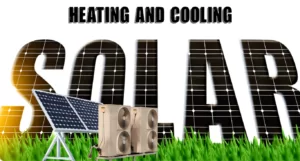
And the tech doesn’t stop there. Some of these electric heating and cooling systems are getting cozy with renewable energy, like solar panels, to keep your home running smoother than a freshly zambonied ice rink. Imagine slashing your energy bills while feeling smug about saving the planet—win-win.
Oh, and for those who hate surprises (like sudden breakdowns), advanced diagnostics are becoming a thing. Your system could warn you before something goes haywire, giving you enough time to fix it before you’re stuck sweating buckets or shivering in wool socks.
Let’s not forget the sleek designs coming our way. Forget the clunky, eyesore units of last year—these are slim, modern, and practically begging to be shown off. Soon enough, your heating and cooling system might just become the showstopper of your home. Who knew staying comfortable could look this good?
Conclusion and Final Thoughts
So, there you have it—electric heating and cooling systems: the unsung heroes of home comfort. They’re efficient, reliable, and way smarter than that old clunker you’ve been nursing along for way too long. Sure, they need a little love and attention to keep humming along, but don’t we all? The good news is, once you’ve got the right heating and air conditioning system in place and give it some occasional TLC, you’ll wonder why you didn’t make the switch sooner.
No more sweating through summer or layering up like you’re in a survival show just to save a few bucks on energy bills. Plus, with modern residential and commercial HVAC systems sipping power like they’re on a diet and looking out for potential hiccups before they become full-on disasters, it’s like they’re doing half the work for you. Toss in the potential long-term savings, and it’s basically a no-brainer.
At the end of the day, upgrading to an electric HVAC system isn’t just about staying comfortable—it’s about making your life easier, your home smarter, and maybe even feeling a little smug when the next energy bill rolls in. So, go ahead, make the leap. Your future self will be high fiving you later.
For answers to commonly asked questions about electric heating and cooling systems, be sure to take a look at our FAQ’s below. For more information on HVAC systems that could save you money, be sure to read our following related articles.
FAQ's
What are Electric Heating and Cooling Systems?
Electric heating and cooling systems use electricity to maintain a comfortable indoor temperature through various methods, such as generating heat or transferring it between spaces. They are often equipped with advanced features that enhance efficiency, making them a practical option for many homeowners. These systems include options like heat pumps, electric furnaces, and air conditioners, which can adapt to a wide range of climates and needs.
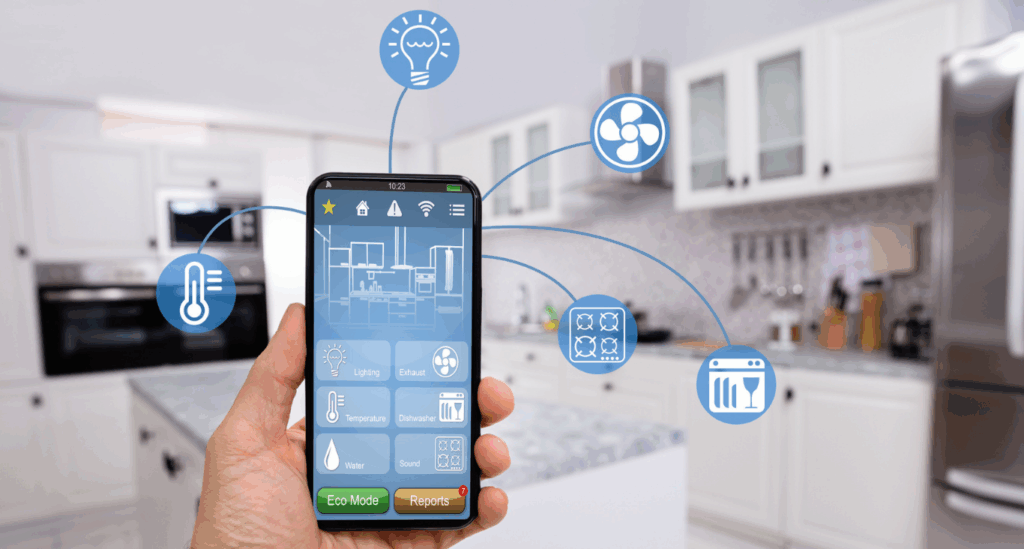
Modern electric systems also integrate well with smart home technology, allowing users to easily control and monitor their performance. Additionally, electric systems eliminate the need for fuel storage, reducing the risk of leaks or other safety concerns associated with traditional systems. This makes them a reliable and eco-conscious choice for temperature control.
What is the Cost-Effectiveness of Electric Systems?
Electric heating and cooling systems can be a smart choice for managing energy costs. These systems often require less upkeep compared to traditional options, which helps reduce repair expenses over time. Technological advancements have also enhanced their energy efficiency, allowing for lower electricity usage without sacrificing comfort.
Installing a programmable thermostat can further optimize energy consumption by adjusting temperatures based on your schedule. Additionally, pairing your system with proper home insulation ensures maximum efficiency by minimizing heat loss during colder months and keeping cool air inside during warmer seasons. Small adjustments like sealing drafts or upgrading windows can complement your electric system’s performance, helping to maintain a comfortable home environment while keeping utility expenses in check.
How Do You Maintain Electric HVAC Systems
To ensure your electric heating and cooling system operates efficiently, clean or replace air filters regularly to improve airflow. Clear any dirt or leaves around outdoor units to prevent blockages that can strain the system. Check for unusual sounds or changes in performance, as these may indicate issues needing attention. Inspect electrical connections and tighten any loose components to avoid potential malfunctions. Lubricate moving parts if recommended by the manufacturer to reduce wear. Scheduling annual professional inspections can help identify and address potential problems early, keeping your system running smoothly and avoiding costly repairs.
How Do I Troubleshoot Common Issues
If your electric heating and cooling system isn’t working as expected, start by checking the thermostat settings and ensuring the power supply is intact. Examine the air filters and clean or replace them if they’re dirty, as restricted airflow can impact performance. Look for tripped circuit breakers or loose electrical connections that might disrupt operation. Listen for any unusual sounds that could indicate mechanical issues or obstructions. If the system continues to perform poorly or exhibits significant issues, contact a qualified technician to assess and address the problem, as attempting extensive repairs without proper expertise may cause further complications.
How Do I Find Reliable Service Providers
When selecting a service provider for your electric heating and cooling system, prioritize those with proven experience and knowledge of your specific model. Verify their qualifications and ask for references to ensure quality service. Inquire about maintenance packages and pricing transparency to avoid unexpected costs. Reliable providers should also offer clear timelines and be responsive to any questions or concerns. Establishing a professional relationship with a trusted technician can help keep your system running efficiently over the long term.