Why Flexible Gas Line Installation Is Like Playing Twister with Pipes

Picture of Author: Rick Moore

Author: Rick Moore

ECSi Team Member
Date Published: 9/24/2024

Flexible Gas Line Installation

Table of Contents

Introduction to Flexible Gas Lines

Flexible gas lines are the overachievers of the piping world. They bend, they twist, they squeeze into the tightest spaces—basically, they’re the Cirque du Soleil performers of home improvement. Unlike those stiff, unyielding traditional pipes, these guys are designed to make your life easier by adapting to your home’s quirks. Got a corner tighter than your jeans after Thanksgiving dinner? No problem. Flexible gas lines are here to shimmy through it like it’s no big deal.

But let’s not pretend this is all sunshine and rainbows. With great flexibility comes great responsibility. You can’t just slap one of these bad boys into your house and call it a day. Nope, you’re signing up for a mix of precision and patience—like assembling IKEA furniture, but with higher stakes. Sure, they’re convenient, but one wrong move and you’re starring in your very own DIY thriller.
Also, they’ve got this fancy coating that makes them resistant to corrosion, which is great because nobody wants a gas line that looks like it’s been through a zombie apocalypse. Still, don’t let their superhero status fool you into thinking they’re foolproof. Flexible gas lines require a bit of respect and a lot of careful handling. Treat them right, and they’ll quietly fuel your stove or water heater like the unsung heroes they are. Treat them wrong, and, well, let’s just say your smoke detector might get a little too much screen time.

Safety Precautions

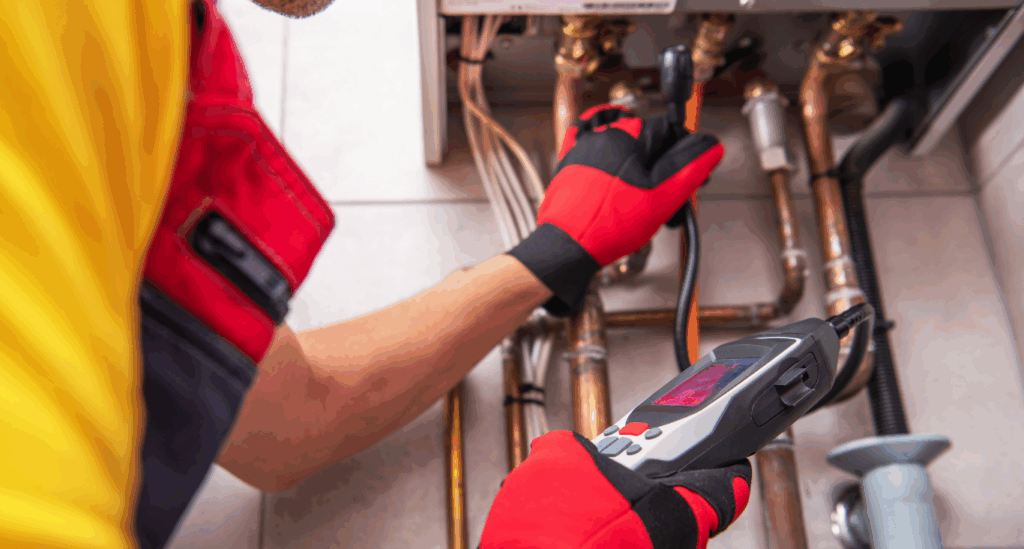
Gas Detector Being Used to Check for Gas Leaks

Gas lines aren’t exactly forgiving if you mess up, so let’s channel some responsible energy here. First things first, no open flames or sparks during the process—this isn’t the Fourth of July, and your eyebrows deserve to stay put. Second, invest in a gas detector because sniffing around for leaks isn’t exactly a reliable science.

Gloves and goggles? Oh, absolutely. Unless you’re one of those people who enjoys finger blisters and mystery debris in your eyes. And while we’re on the topic of safety gear, skip the flip-flops. This isn’t a beach party; it’s a gas line installation, and stubbed toes are the least of your worries.

Turn off the main gas supply before you get started. Yes, this feels obvious, but let’s not underestimate the power of human forgetfulness. Pro tip: double-check it’s actually off, because “oops” doesn’t cut it when gas is involved. Also, keep a fire extinguisher within arm’s reach—preferably one that’s not expired. You know, just in case things get a little too “exciting.”

And for the love of all that is holy, don’t cut corners. Skipping steps might work for assembling flat-pack furniture, but gas lines aren’t forgiving like your IKEA coffee table. If you’re winging it or thinking about using duct tape somewhere in this process, just stop. Drop the tools, back away slowly, and call a professional installation company. You’re not starring in an action movie, so let’s aim for zero explosions, okay?

Steps for Installation

So, you’re ready to dive into flexible gas line installation? Bold choice. Let’s break this down into bite-sized steps so your DIY adventure doesn’t turn into a cautionary tale.

1. **Clear the Area**: If your workspace looks like a yard sale exploded, tidy up. Tripping while handling a gas line is not the plot twist anyone wants. 

2. **Get Your Measurements Right**: Measure the gas line length carefully. This isn’t one of those “close enough” situations—precision is your new best friend.

3. **Cut with Care**: Use a pipe cutter or appropriate tool to trim the line. And no, your kitchen scissors don’t count.

4. **Fittings First**: Attach the fittings using a wrench, but go easy. Over-tightening is how you turn a simple installation into a whole new problem.

5. **Connect to the Gas Supply**: After double-checking (okay, maybe triple-checking) that the main gas supply is OFF, make your connection. Think of it like plugging in a charger—but with much higher stakes.

6. **Leak Check**: Grab that soapy water solution and get bubbling. If you see bubbles forming, congrats! You’ve found a leak—and a great reason to revisit Step 4.

7. **Secure the Line**: Use brackets or straps to anchor the line. A free-range gas line might sound fun, but trust us, it’s not.

Stick to these steps, and you’ll feel like the king or queen of gas line installation. Plus, your neighbors will probably appreciate not hearing sirens from your direction.

Common Mistakes to Avoid

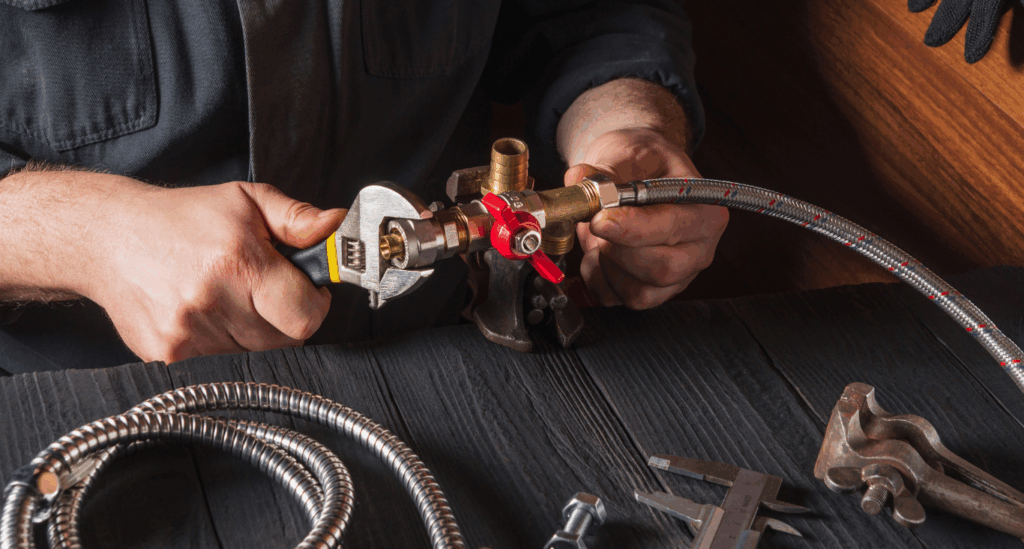
Flexible Gas Line Installation Process

Mistakes? Oh, they happen. But when it comes to flexible gas line installation, let’s try to keep the “oops” moments to a minimum, shall we? One of the biggest offenders: overtightening the fittings. We get it—you want everything secure, but cranking those wrenches like you’re in an arm-wrestling match is a surefire way to damage threads and create leaks. This isn’t a contest of strength; it’s a test of finesse.

Next up, not measuring properly. Eyeballing it might work for hanging a picture frame, but here? Not so much. A line that’s too short will leave you cursing your decisions, while one that’s too long could turn into a tripping hazard or kink-fest. Measure twice, cut once, and avoid the gas-line version of bad haircuts.

Oh, and let’s talk about tools. Using the wrong ones—or worse, improvising—is like trying to butter toast with a chainsaw. Stick to the proper gear, because duct tape and kitchen knives are not substitutes for pipe wrenches and cutters.

Then there’s skipping steps because, you know, you’re in a hurry. Maybe you think that leak test is for amateurs, or the brackets aren’t *that* necessary. Spoiler alert: these shortcuts are how you turn a quick project into a neighborhood headline.

And please, follow your local building codes. They’re not just there to ruin your fun—they exist to keep you and your home in one piece. Going rogue with your gas-powered fire pit installation might sound rebellious, but trust us, it’s not worth the potential fines (or explosions).

Maintenance and Inspection

Outdoor Firepit Gasline Installation and Inspection
Outdoor Firepit Gas Line Inspection

Look, just because your flexible gas line is installed doesn’t mean it’s time to kick back and forget it exists. This isn’t a set-it-and-forget-it infomercial deal—it’s gas. Maintenance is the name of the game, and skipping it is like ignoring the check engine light on your car. Sure, you *could* roll the dice, but is it really worth it?

Start by giving your gas line the occasional once-over. Look for any suspicious wear, corrosion, or kinks. If it looks like it’s auditioning for a horror movie, you’ve got a problem. And while we’re at it, don’t be shy about feeling around (safely!) for potential leaks—though preferably with some soapy water, not your bare hands and a prayer.

Oh, and don’t let dust and grime build up like it’s paying rent. A dirty gas line isn’t going to combust on you, but all that filth can make spotting problems way harder. Think of cleaning your gas line as the gas-line equivalent of a spa day. A little TLC goes a long way.

And for those of you thinking, “I don’t have time for this,” let me stop you right there. Get a professional repair and installation company to inspect it yearly. They’ve got fancy tools, trained eyeballs, and zero emotional attachment to your “good enough” handiwork. If something’s off, they’ll catch it. You? Maybe not so much.

So, yes, it’s extra work, but would you rather spend five minutes checking your gas line or deal with a situation that requires a fire truck? Your call.

When to Call a Professional

Ecsi Employees and Family
Elite Contracting Solutions Inc. Family Owned & Operated Business

Look, there’s no shame in waving the white flag and calling a pro. Flexible gas line installation isn’t exactly like baking cookies—you can’t just wing it and hope for the best. So, when should you bring in the experts? Let’s break it down.

If your gas line setup starts looking like a twisted jungle gym and you’re not sure what connects to what, it’s probably time to step away from the wrench. Complicated layouts are best left to the folks who can decipher them without breaking a sweat—or anything else, for that matter.

Leaks that just won’t quit? That’s a hard no for DIY. If your soap test keeps turning into a bubble party or you catch a whiff of gas that makes your nose hairs twitch, it’s time to call someone who doesn’t need to Google “how to fix a gas leak.”

Not feeling 100% confident? Trust your gut. If handling a flexible gas line feels like juggling flaming swords blindfolded, let a licensed professional take over. They’ve got the tools, the know-how, and a much lower chance of accidentally turning your project into a scene from a disaster movie.

And let’s not forget the legal stuff. If local building codes sound like a foreign language to you, that’s a sign to step back. Certified pros know all the rules, and following them means you won’t end up explaining your “creative” installation choices to an inspector later.

Bottom line? Sometimes, the most responsible thing you can do is pass the torch—preferably to someone who’s trained to carry it. Think of it this way: you’re not admitting defeat; you’re just choosing to avoid becoming the neighborhood’s next cautionary tale.

Conclusion

As you can now see, flexible gas line installation if very doable by yourself.  However, there are the possibility for many complications if you do not understand what you are doing.  For more tips on gas lines, outdoor firepits, gas heating and heating and cooling repair.  Be sure to check out our following related articles. 

Related Articles

Scroll to Top