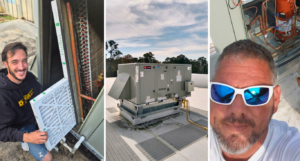
How Rising Energy Costs Affect Your HVAC System

Picture of Author: Rick Moore/ ECSi Team Member

Author: Rick Moore/ ECSi Team Member

Date Published: 8/7/2025

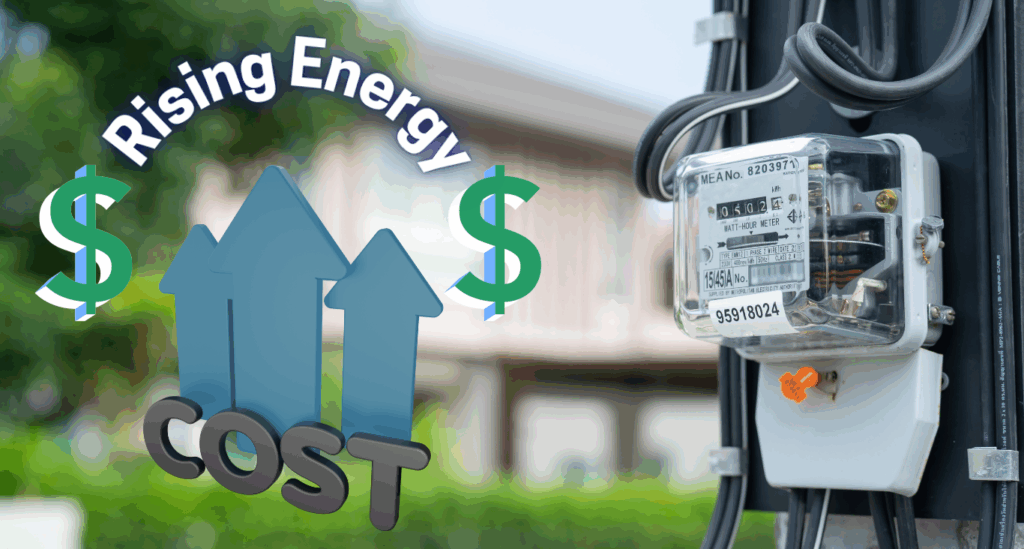
Rising Energy Costs

Understanding Rising Energy Costs

Energy costs have been increasing steadily and understanding why can help you take steps to better manage your household expenses. Several key factors drive these rising costs, such as global supply and demand issues, market fluctuations, and changes in energy policies. These factors can result in higher utility rates that directly affect the amount you pay to heat or cool your home.

For many households, heating and cooling account for a large portion of energy use, making them particularly sensitive to price changes. When energy costs climb, even small inefficiencies in your heating and air conditioning system can lead to noticeable spikes in your bills. Outdated equipment or HVAC systems that aren’t performing well can make the situation worse, as they require more energy to achieve the same level of comfort.

Additionally, energy prices can be impacted by seasonal factors, like increased demand during extreme weather conditions. Whether it’s keeping your home warm during the winter or cool in the summer, you may find that your energy usage tends to go up during these times. Understanding these patterns can help you anticipate changes in your bills and plan accordingly.

With these challenges in mind, improving the efficiency of your heating and cooling systems becomes a key strategy for minimizing costs.

Benefits of Energy Efficient HVAC Systems

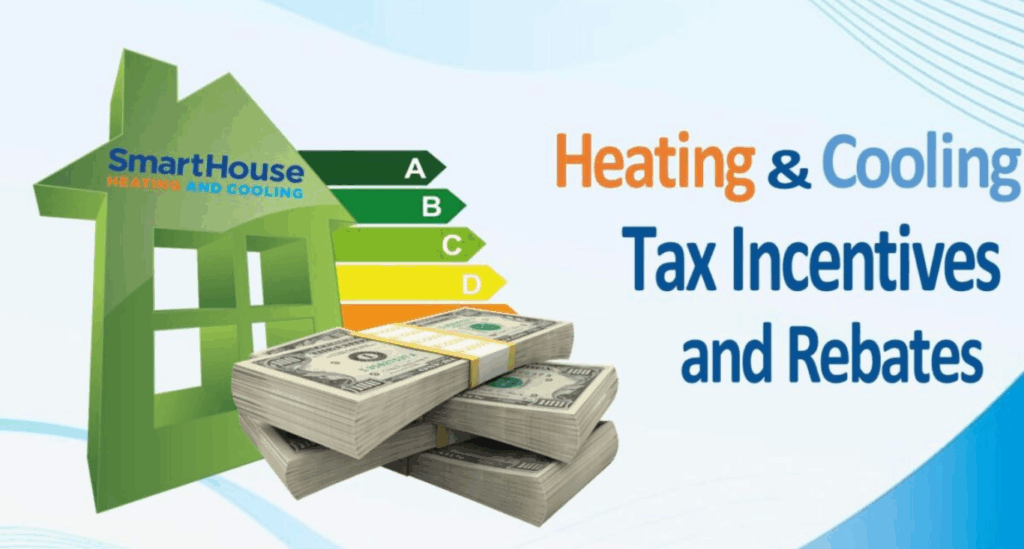
heating and cooling tax rebates

Upgrading to an energy-efficient HVAC system can significantly improve how your home uses energy. These systems are engineered with advanced technology that allows them to maintain comfortable temperatures while using less power. Features such as high-efficiency compressors and advanced heat exchangers work to minimize energy waste, ensuring your home stays comfortable without unnecessary consumption.

Many modern systems also come equipped with compatibility for smart controls, which allow for precise adjustments based on your household’s specific needs. This level of customization ensures that your HVAC system is only working as hard as it needs to, reducing strain on the equipment and lowering your energy use.

Another important advantage of energy-efficient HVAC systems is their ability to maintain consistent performance over time. They’re designed to operate more effectively, even during extreme weather, which helps avoid the spikes in energy usage that can occur with older or less efficient models. This improved reliability not only keeps your home comfortable but also prevents your HVAC system from overworking during peak seasons.

Beyond the direct savings on utility bills, these heating and air conditioning systems often qualify for rebates, tax credits, or other incentives, depending on your location. These programs can help offset the upfront cost, making energy-efficient upgrades more accessible. Additionally, the reduced wear and tear on high-efficiency HVAC systems often translates to fewer heating and air conditioning repair needs, helping to lower heating and cooling maintenance costs over time.

Choosing the Right HVAC System for Your Home

Selecting an HVAC system that meets your home’s energy needs while staying efficient requires careful consideration of several features. One key aspect to look for is the SEER (Seasonal Energy Efficiency Ratio) rating, which measures the system’s cooling efficiency. A higher SEER rating typically means lower energy usage, which can translate to long-term savings. Similarly, for heating, check the AFUE (Annual Fuel Utilization Efficiency) rating to ensure the heating system converts fuel into heat effectively.

Features like variable-speed motors and multi-stage compressors can also enhance efficiency by allowing the heating and cooling system to adjust its output based on real-time conditions, rather than running at full capacity all the time. Systems equipped with programmable or smart thermostats provide an added layer of control, enabling you to set heating and cooling schedules that fit your routine.

When comparing options, consider the size of the unit in relation to your home. An HVAC system that’s too large or too small for your space can lead to unnecessary energy use or uneven temperatures. Proper sizing, often determined through a load calculation by a professional residential or commercial HVAC company, ensures the system performs as intended.

It’s also worth exploring heating and air systems with advanced filtration options or built-in humidity control, as these can improve indoor air quality and comfort levels. Some models offer additional features like noise reduction or zoning capabilities, which may be worth investing in depending on your household’s specific needs.

Finally, check whether the system qualifies for rebates, tax incentives, or financing programs in your area. These can significantly offset the initial investment, making an energy-efficient upgrade more financially manageable. By evaluating these factors, you can make an informed choice that balances performance, cost, and comfort for your home.

Maintaining Your HVAC System

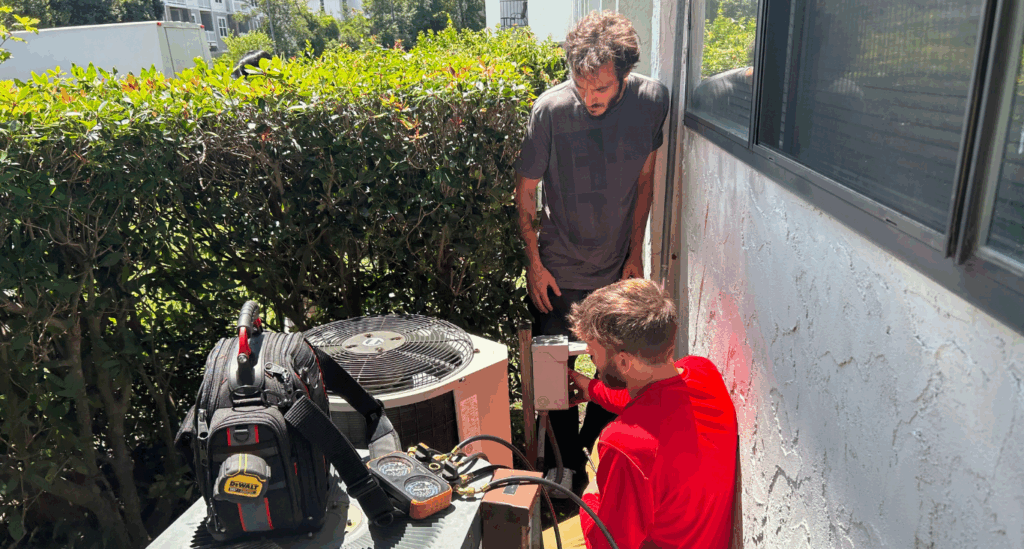
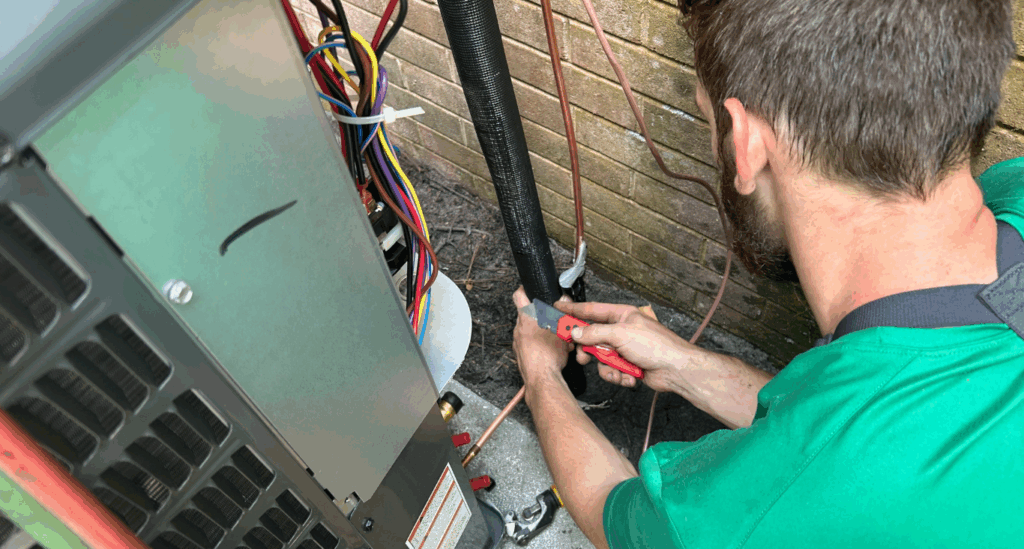
HVAC service call being performed by Elite Contractions Solutions Inc.

Keeping your HVAC system in good shape doesn’t have to be overwhelming, and a few straightforward steps can go a long way in ensuring it operates efficiently. Start by checking your air filters regularly and replacing them as needed—typically every one to three months. A clean filter not only helps your heating and cooling system run more efficiently but also improves the air quality in your home.

Make it a habit to inspect your vents and registers for any dust or blockages. Keeping these areas clear allows air to flow freely, reducing strain on your HVAC system. For outdoor units, ensure there’s enough clearance around them by removing leaves, grass, or other debris that may have built up. This helps maintain proper airflow and prevents potential damage.

It’s also important to pay attention to unusual noises or inconsistent performance from your heating and air system. These could be early signs of a mechanical issue. Scheduling regular professional tune-ups is a good way to catch any problems before they escalate. A trained HVAC technician can perform detailed inspections, lubricate moving parts, and verify that your system is operating at peak efficiency.

Don’t overlook simple adjustments, like ensuring your thermostat is set correctly for the season. Small changes to settings can reduce unnecessary wear and rising energy costs. If your system uses a programmable or smart thermostat, take advantage of its scheduling features to maintain comfortable temperatures while avoiding overuse.

Lastly, consider asking a local HVAC repair and installation company about seasonal maintenance tips specific to your local climate. Taking small but consistent steps to maintain your system can keep it running smoothly and help you avoid the inconvenience and expense of sudden breakdowns.

Finding Reliable HVAC Services

HVAC installation job by Elite Contracting Solutions Inc. in Wilmington, NC

Choosing a reliable HVAC company can feel overwhelming, but a few practical steps can make the process much easier. Start by researching air conditioning and heating contractors in your area and taking time to read customer reviews online. Look for consistent feedback about professionalism, punctuality, and quality of work. An HVAC contractor with positive reviews and a strong reputation is often a good indicator of reliable service.

It’s a good idea to ask for recommendations from neighbors, friends, or family who have recently had heating or air conditioning installation or repair work done. Personal referrals can provide valuable insight into what you can expect when working with a particular contractor. Additionally, make sure to verify that the contractor is licensed, insured, and certified to work on HVAC systems in your state. Credentials like these confirm their expertise and adherence to safety and quality standards.

Requesting written estimates from multiple contractors can also help you make an informed decision. These should include detailed breakdowns of costs, timelines, and any warranties offered. Avoid choosing solely based on the lowest price, as it may not always reflect the best quality or long-term value.

When speaking with HVAC contractors, pay attention to how they communicate and address your concerns. A reliable professional should be willing to answer your questions, provide clear explanations, and offer honest advice without pressuring you into unnecessary upgrades or repairs.

Lastly, ask about maintenance plans or service agreements that can help keep your HVAC system running efficiently over time. Contractors who offer regular maintenance options often prioritize long-term customer satisfaction, which can give you greater peace of mind. Taking these steps ensures you find someone trustworthy to help with your HVAC needs.

Maximizing Efficiency with Smart Thermostats

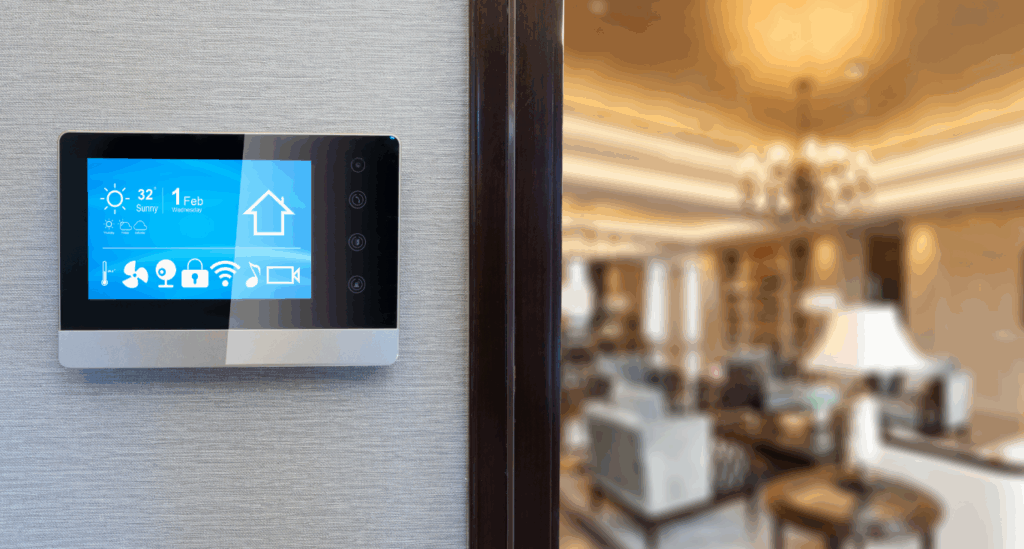
Smart thermostats make it easier than ever to manage your home’s energy use efficiently. These innovative devices allow you to fine-tune temperature settings and create schedules that match your daily routine, ensuring your heating and cooling systems only run when needed. Many models feature learning capabilities that adapt to your preferences over time, automatically adjusting to provide optimal comfort without wasting energy which results in rising energy costs.

With remote access through smartphone apps, you can monitor and control your thermostat from anywhere, giving you the flexibility to make real-time adjustments no matter where you are. For instance, if you’re away from home longer than expected, you can reduce energy and battle against rising energy costs with just a few taps on your phone. Smart thermostats also provide insights into your energy usage, helping you identify patterns and make informed decisions to lower and battle against rising energy costs further.

Some models are compatible with voice-activated systems or other smart home devices, offering an additional layer of convenience and control. By integrating these tools, you can maximize your home’s efficiency effortlessly. Pairing a smart thermostat with a high-efficiency HVAC system amplifies the benefits, as both work together to reduce energy consumption and maintain consistent comfort.

Investing in a smart thermostat can also extend the life of your HVAC system by reducing unnecessary strain during peak operation. Over time, this can lead to fewer repairs and long-term savings. These features make smart thermostats a practical upgrade that can simplify energy management while helping to offset rising energy costs.

Conclusion

By following the steps you have learned here today, you will help yourself and your family battle against rising energy costs.  This will give you a little extra money to spoil yourself a little.  For more tips to battle against rising energy costs, gas line installation, and restaurant hood maintenance, be sure to read the following related articles. 

Related Articles

Scroll to Top